| OCR Text |
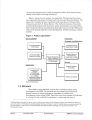
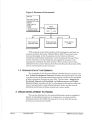
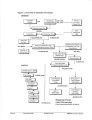
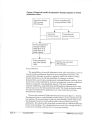
Show production is critical for this study. We also estimate the amount of land that will fall within 2050 UGBs. When this study began in 1998, another study of the Willamette Valley was already underway. That study was being conducted by the Pacific Northwest Ecosystem Research Consortium ("the Consortium"), a partnership among several northwest universities that was funded in large part by the U.S. Environmental Protection Agency. As part of its work, the Consortium had specified a development alternative for the Willamette Valley for the year 2050. It called that alternative the Plan Trend Scenario-it was meant to illustrate what would happen if current plans became future realities. The Consortium had also done work on population growth in the Willamette Valley and the likely amount of land that would be developed to accommodate that growth. The Consortium's conclusions about where that development would occur were embodied in its Plan Trend 2050 (i.e., what will patterns of land and water use be in 2050 if long-term plans come to fruition?). The GIS data assembled and developed by the Consortium provided an unprecedented amount of standardized information about land form and land cover. For that reason, our project (Willamette Valley Alternative Futures( used much of the Consortium analysis to help build and evaluate the alternatives in this study. The Consortium's Plan Trend became the point of departure for all analytical work in this study. The most important assumptions taken from the Consortium are total population and employment growth to 2050, likely areas for UGB expansions, and crop and forest coverages. This study accepts the 2050 population forecasts at the County level, and the allocation of population to cities within counties. It accepts the Consortium's underlying land coverage data (e.g., slopes, flood plains, crop cover). It accepts as a starting point assumptions about urban densities and rural development patterns, but adjusts them as necessary, based on the results of our research. Using population projections, density patterns, and other inputs, the study estimated the amount of land that will be urbanized under the Historical Trend and Land-Conserving Alternative (LCA). From those estimates, we calculated the acres of farm and forestland that would be converted from agricultural or timber production to urban uses, and the economic impacts of the conversion. We also calculated how much the infrastructure will cost for each development scenario. The general steps for estimating future land consumption are summarized in Figure 2. DRAFT Summary Report ECONorthwest December 2000 Page 3 |