| OCR Text |
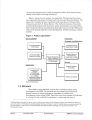
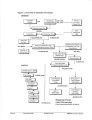
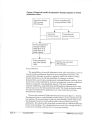
Show the economic repercussions of that development will be, and compare those results with a land-conserving alternative. Figure 1 shows how the project was organized. The Steering Committee was responsible for project oversight and reviewed each Research Report. The Researchers included private consultants and researchers at Oregon State University and the U.S. Forest Service.3 The Technical Advisory Committee included professionals from the private sector, government, and universities. The Constituent Groups included about 60 people from around the Willamette Valley with special expertise in land development, forestry, farming, or fiscal impacts. Figure 1. Project organization MANAGEMENT PROCESS Outreach and Education Fiscal Management 1000 Friends Project Oversight Steering Committee Project Management Quality Assurance Technical Assistance ECONorthwest RESEARCH Research and Analysis ECONorthwest Dr. Jim Cornelius Dr. Jeff Kline Fregonese Calthorpe Strong Associates Constituent Groups Cogan Owens Cogan Decision Makers & General Public Cogan Owens Cogan Review Technical Advisory Committee Steering Committee Source: ECONorthwest. 1.2 METHODS This study is concerned both with the future location of both urban development and UGBs. The methods aim to estimate the amount and general location of urban development regardless of whether that development occurs within UGBs. Farm and forest land outside of UGBs that is urbanized is not available for production-estimating that loss of 3 ECONorthwest managed the project and was the primary author of this Summary Report, and of Research Reports 1 and 4. Dr. James C. Cornelius was primary author for Research Report 2, and Dr. Jeffrey Kline was primary author for Research Report 3. Cogan Owens Cogan facilitated Steering Committee meetings and organized outreach to the Constituent Groups. Page 2 December 2000 ECONorthwest DRAFT Summary Report |