| OCR Text |
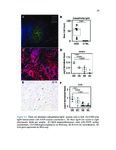
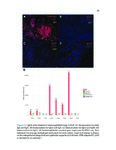
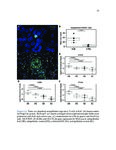
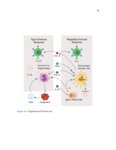
Show 79 problematic and are poorly detected with this technique. One of the most important cytokines for our mechanism, IL10, did not reach statistical significance. We suspect that IL10 is likely to be increased and relevant to EGPA since there are genetic associations between IL10 and EGPA, as well as significantly increased expression of signals both upstream (MAF and IL27) and downstream (IgG4) of IL10 expression in EGPA. In this study, cases of eosinophilic pneumonia and eosinophilic pleuritis were not examined, meaning that further study would be needed to determine whether IgG4 plasma cells or other of our findings distinguish EGPA from these disorders. In summary, we have discovered regulatory T cells, abundant IgG4 plasma cells, and alternatively activated macrophages in EGPA lung infiltrates. CCL13 and CCL18 are dominant chemokines. We propose a mechanism incorporating these findings, which suggests that a hybrid type II and immunoregulatory infiltrate is characteristic of EGPA. A.6 References [1] Jacob Churg and Lotte Strauss. Allergic granulomatosis, allergic angiitis, and periarteritis nodosa. The American Journal of Pathology, 27(2):277–301, Apr 1951. [2] Aladdin J Mohammad, Arnaud Hot, Fernando Arndt, Frank Moosig, Mary-Jane Guerry, Naomi Amudala, Rona Smith, Pasupathy Sivasothy, Loic Guillevin, Peter A Merkel, and David R W Jayne. Rituximab for the treatment of eosinophilic granulomatosis with polyangiitis (churg-strauss). Annals of the Rheumatic Diseases, 75(2):396–401, Feb 2016. [3] Jens Thiel, Arianna Troilo, Ulrich Salzer, Theresa Schleyer, Kirsten Halmschlag, Marta Rizzi, Natalie Frede, Ana Venhoff, Reinhard E Voll, and Nils Venhoff. Rituximab as induction therapy in eosinophilic granulomatosis with polyangiitis refractory to conventional immunosuppressive treatment: A 36-month follow-up analysis. The Journal of Allergy and Clinical Immunology. In practice, 5(6):1556–1563, Sep 2017. [4] Michael E Wechsler, Praveen Akuthota, David Jayne, Paneez Khoury, Amy Klion, Carol A Langford, Peter A Merkel, Frank Moosig, Ulrich Specks, Maria C Cid, Raashid Luqmani, Judith Brown, Stephen Mallett, Richard Philipson, Steve W Yancey, Jonathan Steinfeld, Peter F Weller, Gerald J Gleich, and EGPA Mepolizumab Study Team. Mepolizumab or placebo for eosinophilic granulomatosis with polyangiitis. The New England Journal of Medicine, 376(20):1921–1932, May 2017. [5] Stefan Wieczorek, Bernard Hellmich, Wolfgang L Gross, and Johann T Epplen. Associations of churg-strauss syndrome with the HLA-DRB1 locus, and relationship to the genetics of antineutrophil cytoplasmic antibody-associated vasculitides: comment on the article by vaglio et al. Arthritis and Rheumatism, 58(1):329–330, Jan 2008. |