| OCR Text |
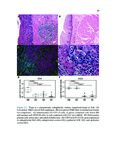
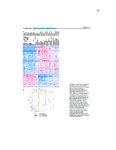
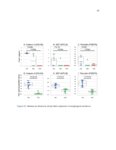
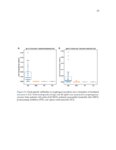
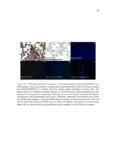
Show 37 | PETERSON ET AL. CTRL-5 CTRL-2 CTRL-0 CTRL-10 CTRL-1 CTRL-4 CTRL-3 CTRL-7 CTRL-6 CTRL-13 CTRL-8 CTRL-12 CTRL-9 CTRL-11 EoE-12 EoE-6 EoE-10 EoE-1 EoE-4 PPI-REE-1 PPI-REE-5 EoE-5 PPI-REE-9 EoE-11 EoE-9 PPI-REE-6 PPI-REE-3 PPI-REE-2 EoE-3 EoE-13 PPI-REE-12 EoE-7 PPI-REE-8 EoE-0 EoE-2 EoE-8 PPI-REE-10 PPI-REE-4 PPI-REE-0 PPI-REE-7 PPI-REE-11 4 –3.00 –2.00 –1.00 0.00 1.00 2.00 3.00 (A) Log2 ratio Color bar (B) –40 –20 PC1 20 0 40 60 20 10 PC3 0 –10 –20 30 20 10 PC2 0 –10 –20 Red – Orange – Blue – 14 EoE samples 13 PPI-REE samples 14 Control samples F I G U R E 2 Hierarchical clustering and principal component analysis (PCA) of differentially expressed genes in EoE, PPIREE and control oesophagus. A, Hierarchical clustering of 2247 genes differentially expressed (Fold ≥ 2, FDR < 0.01) in 1 or more patient groups. Two distinct clusters were observed including normal oesophagus (Cluster 1, blue at right) and combined EoE and PPIREE oesophagus (Cluster 2, red plus orange, at left), suggesting a lack of appreciable difference between the 2 disease groups. B, Principle component analysis using the same 2247 genes shows 2 distinct sample groups similar to the hierarchical clustering. Principal components 1, 2 and 3 accounted for 14.8%, 5.0% and 4.6% of the variance respectively. EoE, eosinophilic oesophagitis; FDR, false discovery rate; PPI-REE, proton pump inhibitor-responsive oesophageal eosinophilia |