| OCR Text |
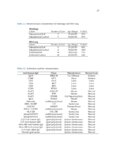
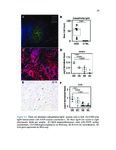
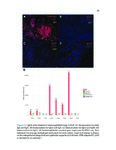
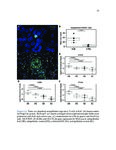
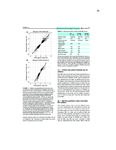
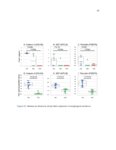
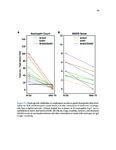
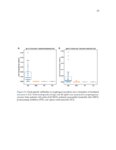
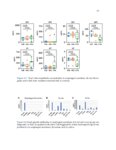
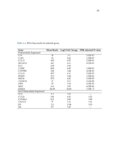
Show 51 seven were found to have active EoE on esophageal biopsy (i.e., ≥15 eosinophils/HPF). Nineteen patients were found to have resolved EoE on biopsy (i.e., ≤15 eosinophils/HPF on esophageal biopsy with prior biopsies demonstrating ≥15 eosinophils/HPF). All participants gave permission for the investigators to follow their clinical course and response to therapy to document whether they responded to topical steroids or diet elimination. Nineteen out of forty-seven known active EoE patients went on to undergo food elimination diets with food triggers identified. An additional nine patients attempted food elimination diets, which they failed or did not complete. Four patients who underwent diet elimination underwent collection of esophageal secretions both before and after food elimination. Patient characteristics in this study are summarized in Table 5.1. Food-specific IgA profiling was performed on esophageal secretions from 47 patients with active EoE. Forty out of forty-seven active EoE patients had detectable IgA to at least one of the four foods. Food-specific IgG4 profiling was performed on esophageal secretions from 44 active EoE patients. Thirty-three out of forty-four active EoE patients had at least one food specific IgG4 detected on secretions. Food-specific IgA and IgG4 profiling was performed on esophageal secretions from all 19 patients with resolved EoE. None of the resolved EoE patients had detectable foodspecific IgA. A single resolved patient had detectable IgG4 antibodies to casein. Food-specific IgA and IgG4 profiling was performed on esophageal secretions from all 16 controls. Detectable levels of food specific IgA antibodies were found in 2 of the 16 controls, both of which were reactive against gluten. No food-specific IgG4 was identified in controls. Twenty-seven patients underwent diet elimination trials and had follow up visits, which could be monitored. Five patients failed elimination diets (from one food to six food elimination). Three patients resolved on six-food elimination diets, but did not complete all food reintroductions to definitively identify trigger foods. Trigger foods were identified for 19 patients. Of the 19 patients with known food triggers, 9 were triggered by wheat only, 5 were triggered by dairy only, 3 were triggered by both wheat and dairy, and 1 was triggered by wheat, dairy, and egg. Esophageal secretions were collected from these patients and followed by profiling of food-specific IgG4 and IgA against the four most common trigger foods. The diagnostic performance of food-specific antibodies for |