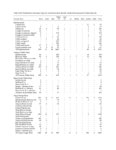
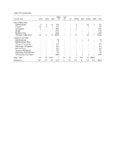
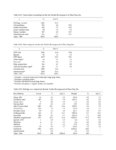
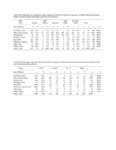
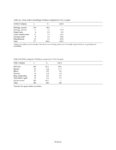
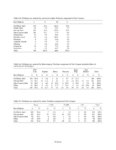
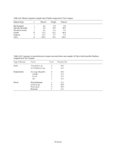
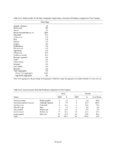
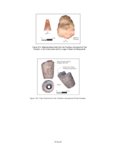
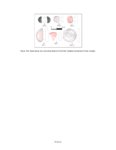
| OCR Text |
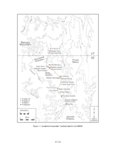
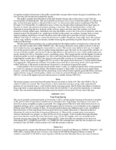
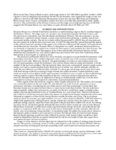
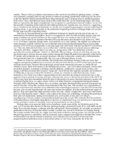
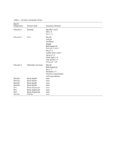
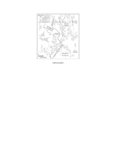
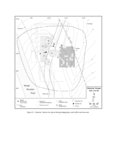
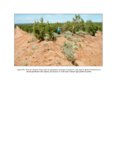
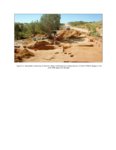
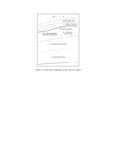
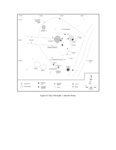
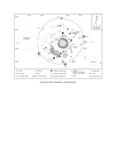
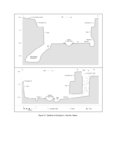
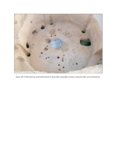
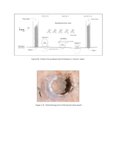
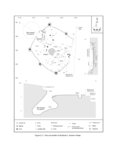
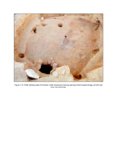
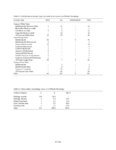
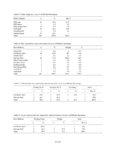
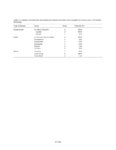
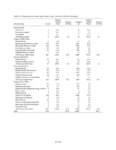
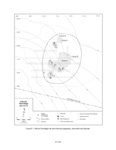
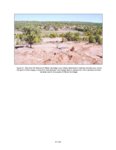
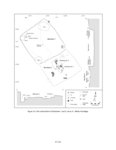
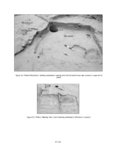
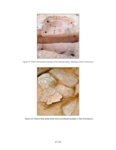
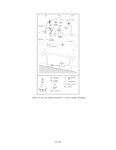
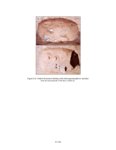
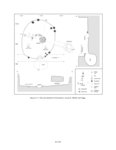
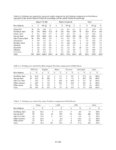
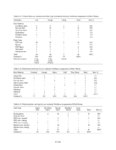
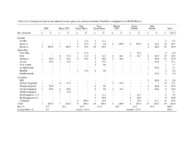
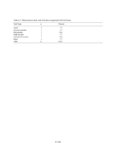
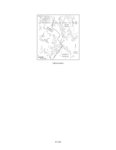
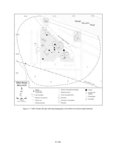
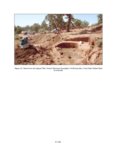
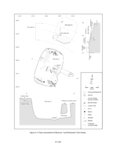
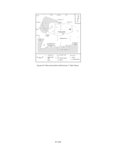
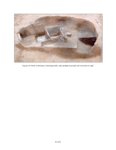
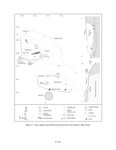
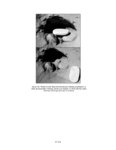
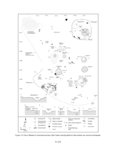
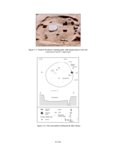
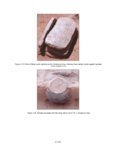
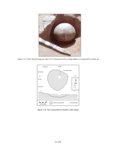
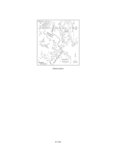
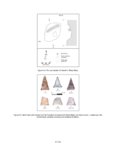
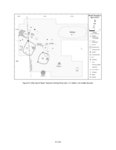
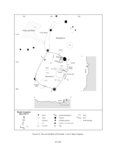
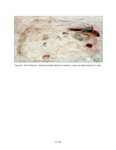
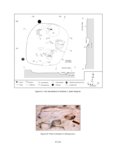
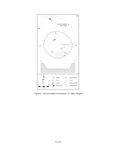
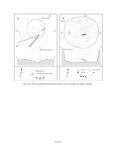
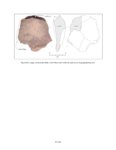
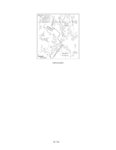
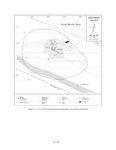
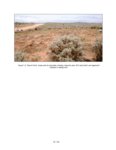
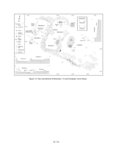
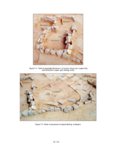
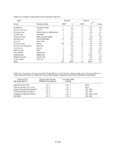
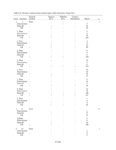
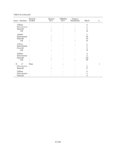
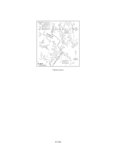
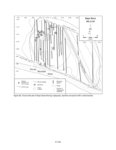
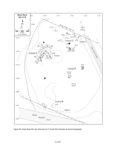
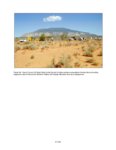
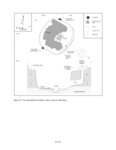
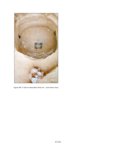
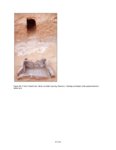
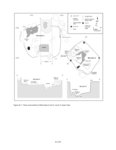
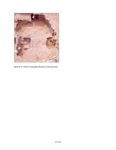
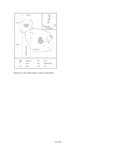
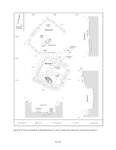
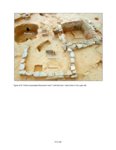
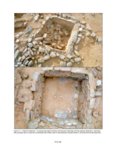
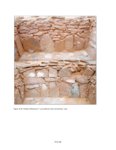
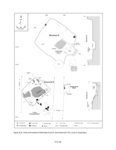
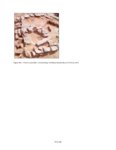
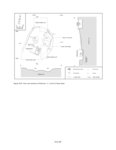
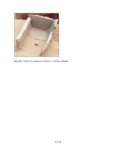
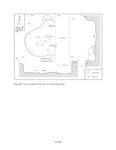
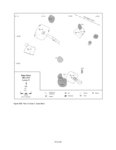
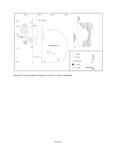
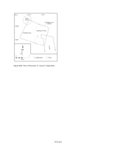
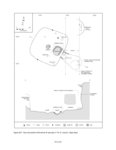
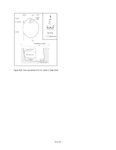
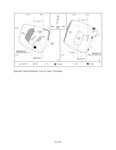
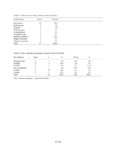
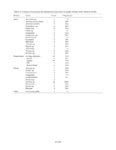
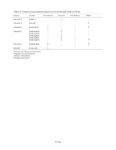
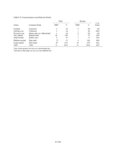
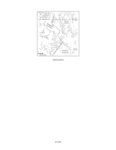
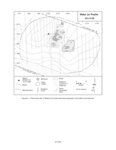
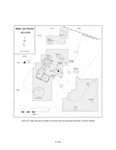
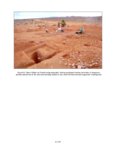
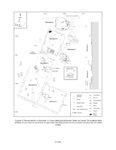
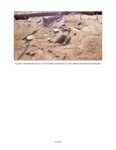
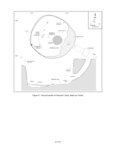
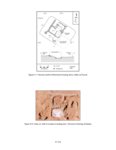
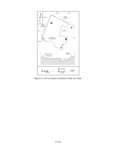
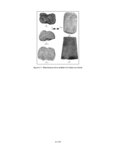
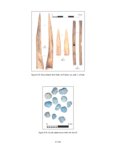
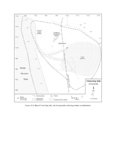
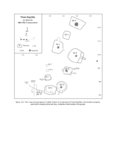
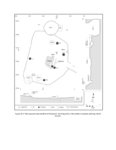
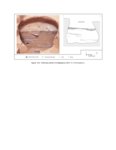
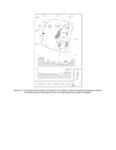
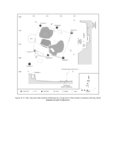
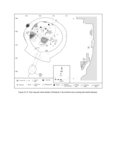
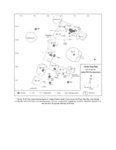
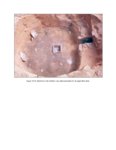
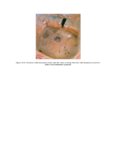
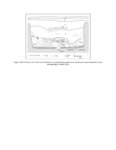
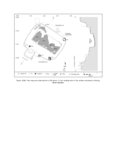
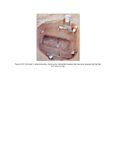
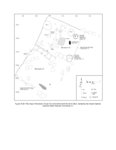
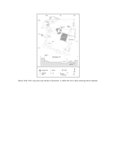
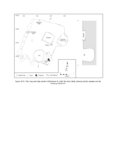
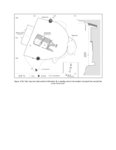
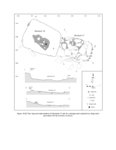
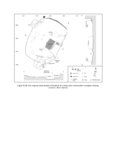
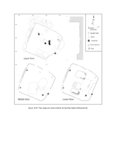
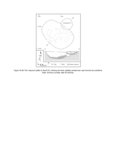
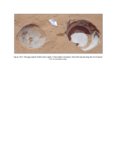
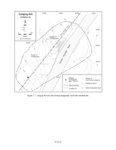
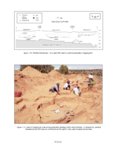
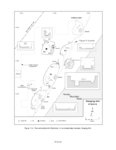
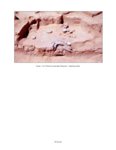
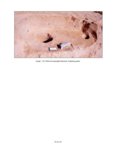
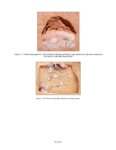
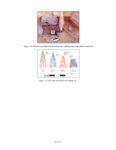
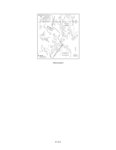
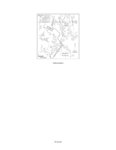
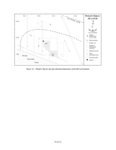
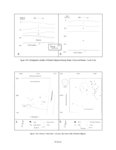
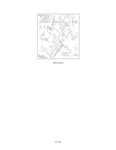
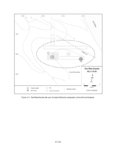
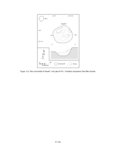
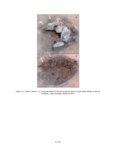
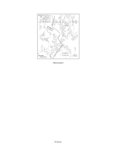
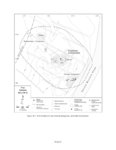
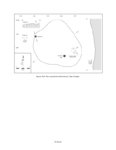
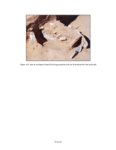
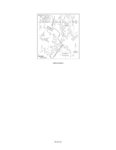
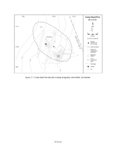
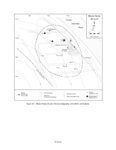
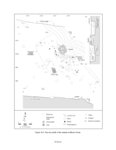
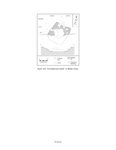
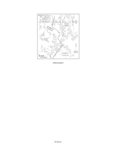
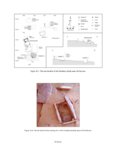
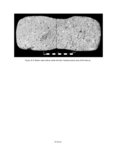
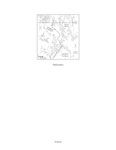
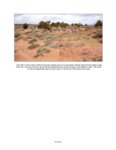
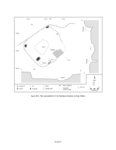
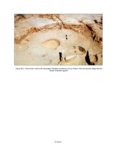
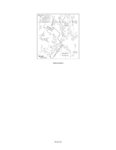
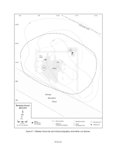
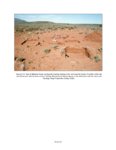
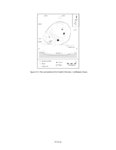
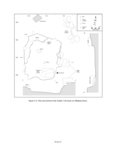
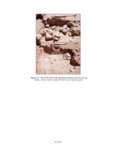
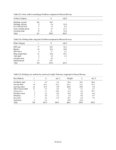
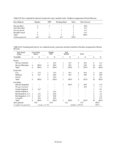
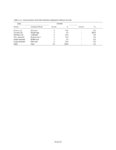
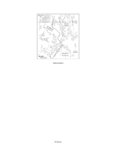
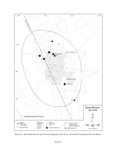
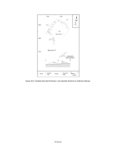
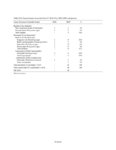
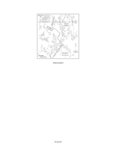
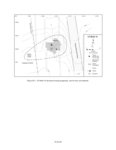
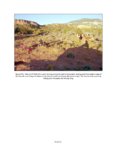
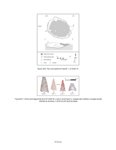
Show Chapter 23 UT-B-63-19 Phil R. Geib UT-B-63-19 was a middle Pueblo III seasonal habitation or fieldhouse situated at the eastern foot of Navajo Mountain on the northern portion of the Rainbow Plateau. The site occupied a gentle, sandcovered slope below Segazlin Mesa. The remains consisted of a small, shallow pit structure, a single slablined hearth, and a small trash midden (Figure 23.1). The terrain around the site appears well suited to dry farming and the site may have been used as a temporary residence while tending fields. A sparse scatter of artifacts exists on the surface outside the ROW but these remains appear peripheral to the overall site, and there is every reason to believe that the data recovery effort reported here amounts to complete excavation of the site. LOCATION AND SETTING The site was located at an elevation of about 1745 m (5725 ft) on gently sloping terrain at the foot of Navajo Mountain (Figure 23.2), where the ridges that form the pediment around the lower slopes of the mountain come to an end on the flat plain of the Rainbow Plateau. The prominent Segazlin Mesa occurs just a few hundred meters to the southwest; this mesa, which is formed of colorful Navajo Sandstone, links up with an escarpment of the same substrate that extends to the northwest toward Navajo Begay. The gentle slope in the vicinity of the site is covered to variable depths by fine eolian sand that overlies the Kayenta Formation. Exposures of the fluviatile sandstone of this formation occur in a small drainage just 200-300 m east of the site. This is the closest drainage that could have provided seasonal water from small plunge pools. Two seeps occur along the northwest side of Segazlin Mesa, but these yield little water. Larger plunge pools in nearby canyons to the east and northeast might have provided the closest, most reliable water sources. Vegetation in the immediate vicinity of the site consists of an open pinyon and juniper forest with an understory of mostly big sagebrush, snakeweed, and joint-fir. The area is heavily overgrazed these days so grasses and forbs are few except for the unpalatable types. At the time of occupation the vegetation in the site vicinity might have been less woody and far more herbaceous on account of human disturbance. The general area seems well suited to dry farming, and some local Navajos and Paiutes still farm in similar settings nearby, so during Pueblo III times the site may have been situated within a broad field area filled with weeds. BACKGROUND AND SURFACE EVIDENCE Rayl (1984) first recorded this site as CE12 during her survey of the N16 portion that runs from the Navajo Mountain Chapter House to Rainbow City and the new boarding school there. Geib and Warburton (1992) subsequently reassessed the site, assigning it number UT-B-63-19, and found it little different from Rayl's description. It consisted of a small concentration of sherds and stone artifacts associated with scattered sandstone slabs and spalls. The fragmentary sandstone appeared to represent the remains of an eroded jacal structure or two. A single upright slab was suggestive of a hearth or other possibly intact feature. Both Rayl and Geib and Warburton considered the site eligible to the National Register. The site lay totally within the N16 ROW. The site was extent tested in 1992 by excavating ten 1 x 1 m test units placed in areas likely to reveal features and buried remains and five backhoe trenches designed to reveal the horizontal extent of remains (Bungart et al. 1997). The trenching revealed that all remains were restricted to a rela-tively small area that measured about 14 x 16 m. The four features identified in the hand units and one end of a backhoe trench consisted of a slab-lined hearth, a possible jacal structure, a possible pit structure, and a shallow midden with a moderate density of remains. Bungart et al. (1997) outlined a data recovery plan that called for complete excavation of the site. |