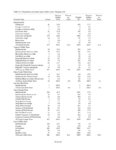
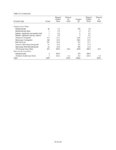
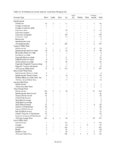
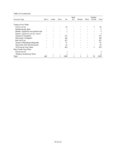
| OCR Text |
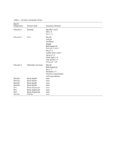
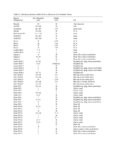
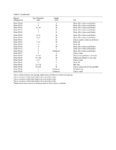
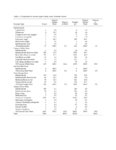
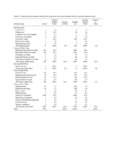
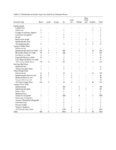
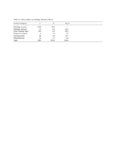
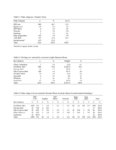
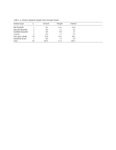
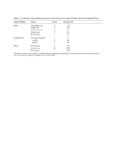
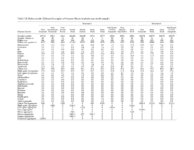
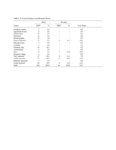
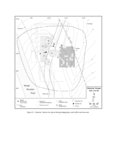
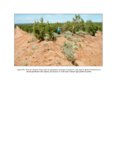
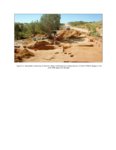
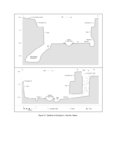
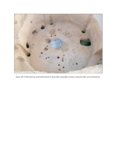
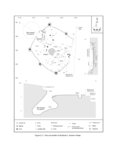
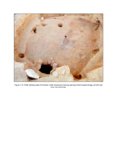
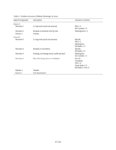
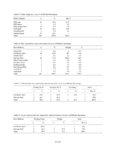
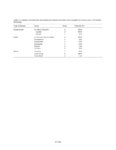
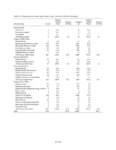
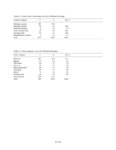
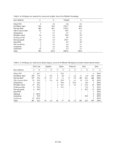
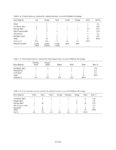
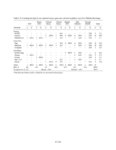
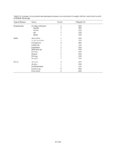
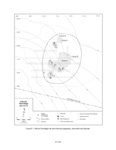
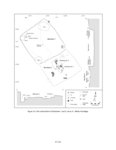
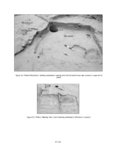
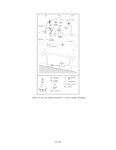
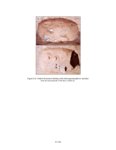
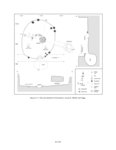
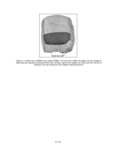
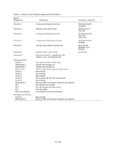
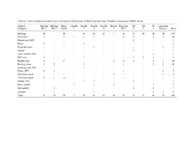
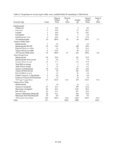
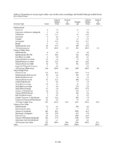
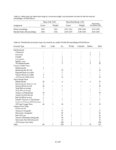
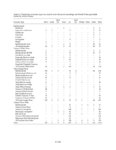
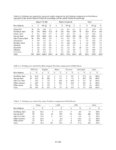
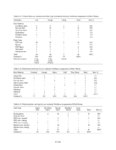
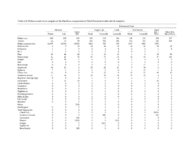
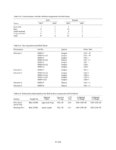
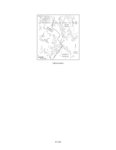
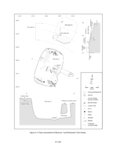
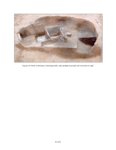
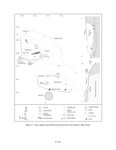
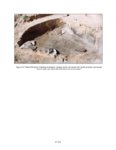
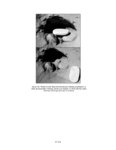
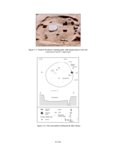
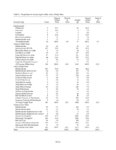
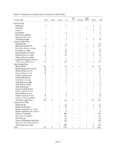
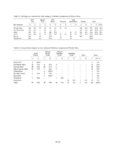
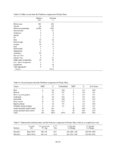
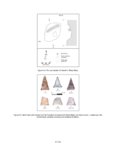
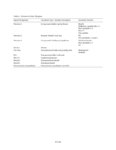
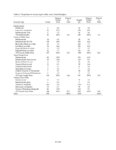
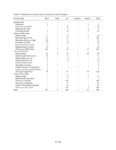
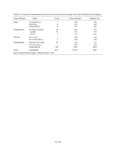
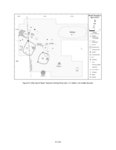
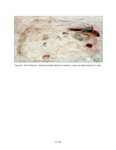
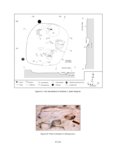
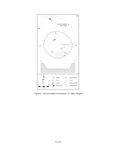
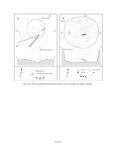
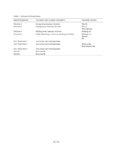
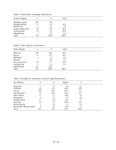
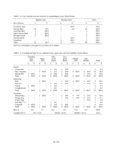
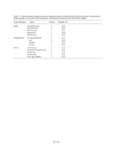
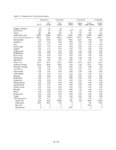
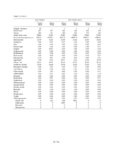
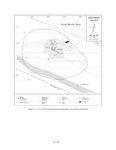
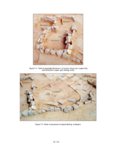
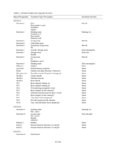
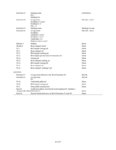
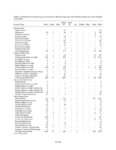
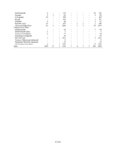
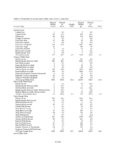
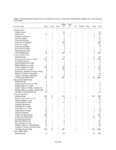
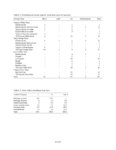
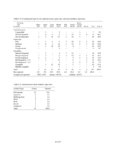
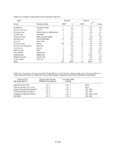
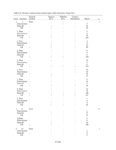
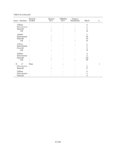
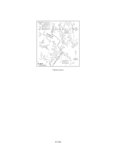
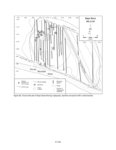
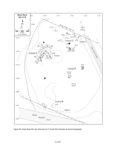
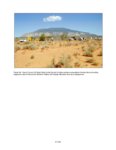
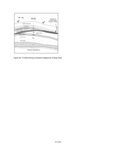
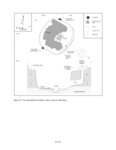
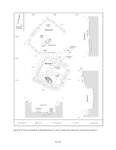
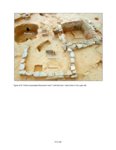
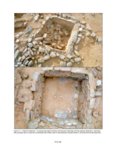
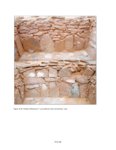
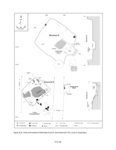
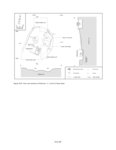
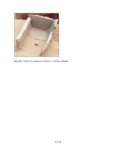
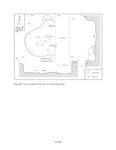
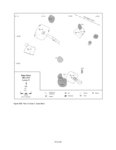
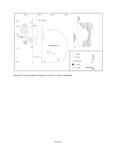
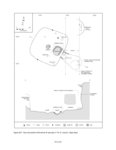
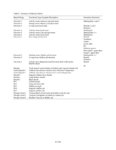
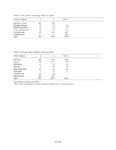
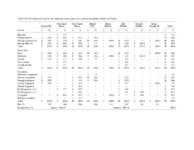
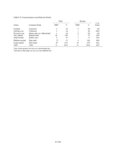
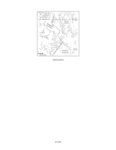
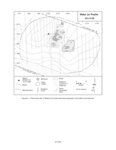
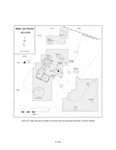
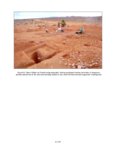
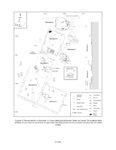
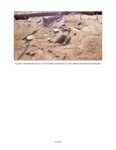
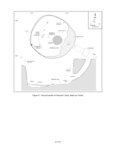
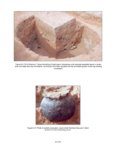
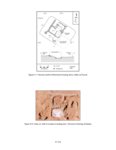
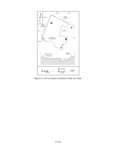
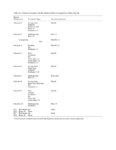
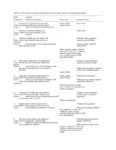
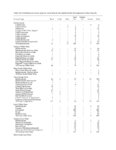
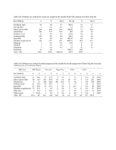
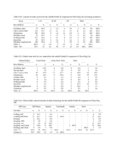
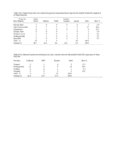
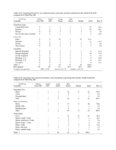
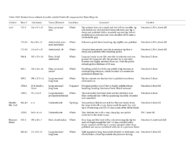
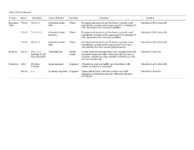
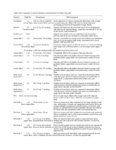
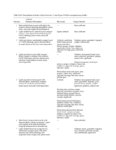
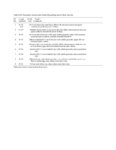
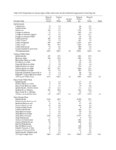
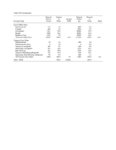
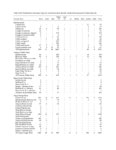
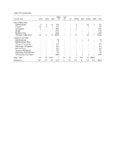
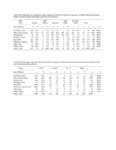
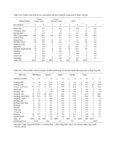
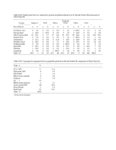
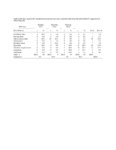
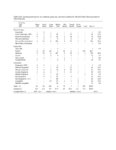
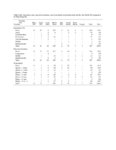
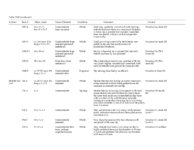
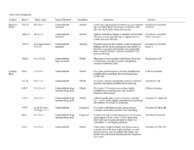
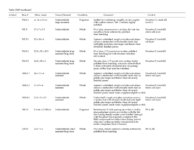
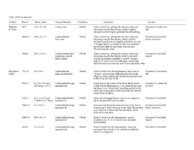
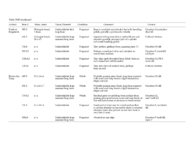
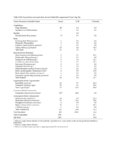
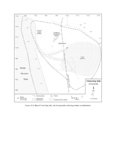
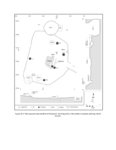
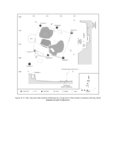
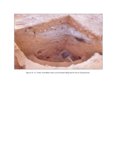
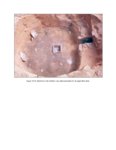
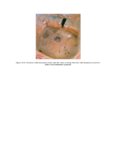
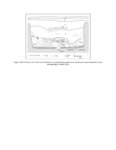
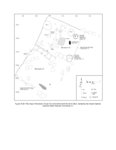
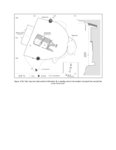
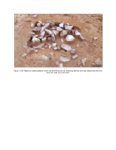
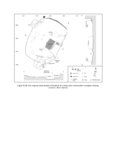
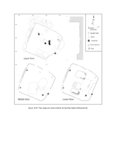
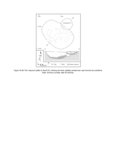
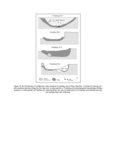
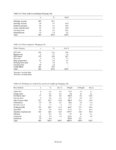
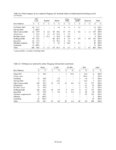
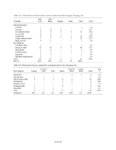
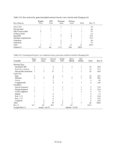
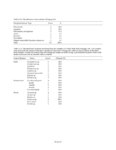
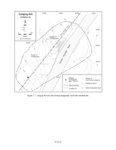
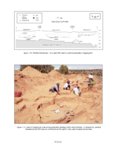
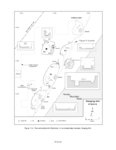
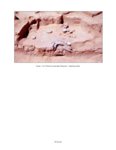
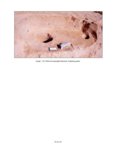
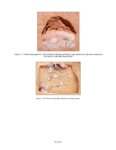
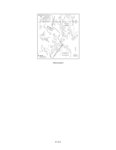
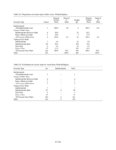
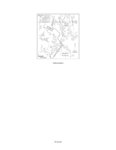
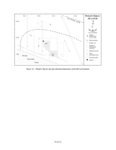
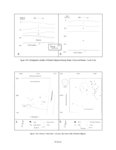
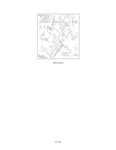
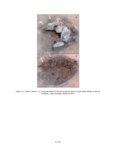
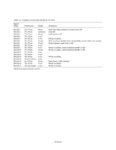
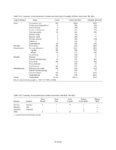
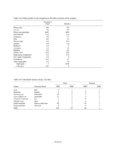
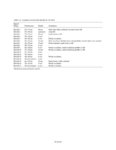
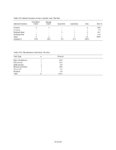
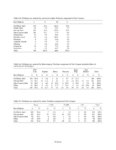
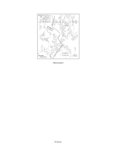
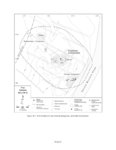
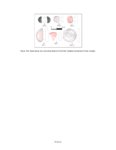
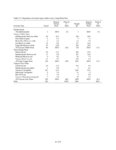
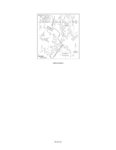
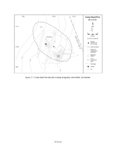
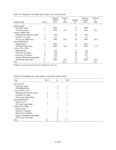
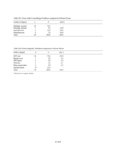
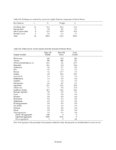
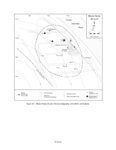
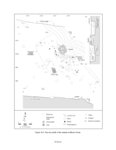
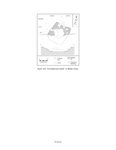
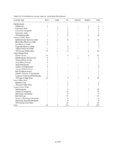
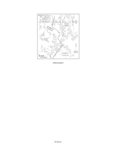
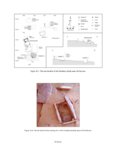
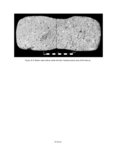
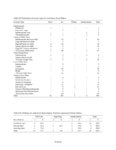
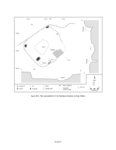
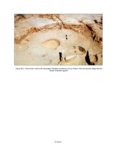
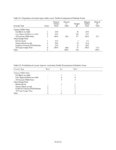
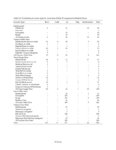
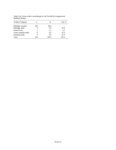
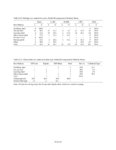
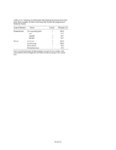
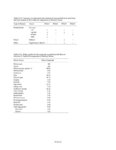
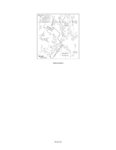
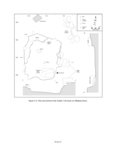
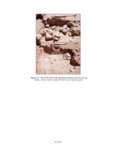
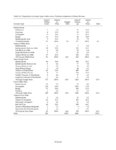
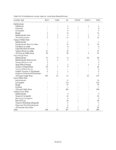
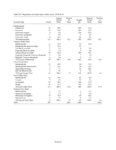
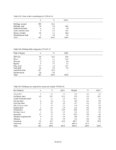
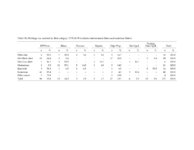
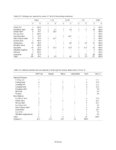
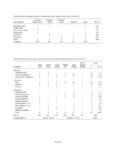
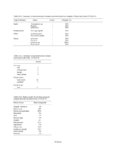
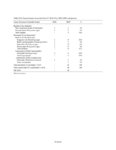
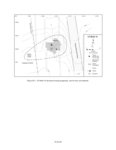
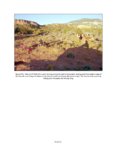
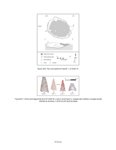
Show subsequently affected the site, causing partial deflation of the A horizon, followed by deposition of eolian sand (Stratum I) as sporadic dunes. FEATURE DESCRIPTIONS Although there was abundant evidence of considerable remodeling of structures, all features (Table 9.1) at Water Jar Pueblo were constructed and used during the late Pueblo III period. Most of the structures exhibited remodeling, suggesting at least two episodes of occupation. It is likely that the room block, kiva, mealing room, and most small features were in use during the initial phase of site occupation. However, several of these features, including the kiva and storage rooms, were subsequently dismantled and scavenged for architectural material. This suggests that the residential role of the site changed and that it no longer functioned as a permanent habitation. After some modification, at least one living room and an activity room continued to be occupied with much trash then tossed into the kiva depression; the site at this time perhaps functioned as a secondary, seasonal residence associated with tending fields. Room Block (Structures 1-5) Structures 1 through 5 comprise a room block built of masonry and jacal (Figure 9.4). The southern rooms (Structures 1 and 2) were of masonry, probably full height during occupation, but later scavenged, leaving only two to three intact courses and a scatter of small, discarded rocks. The masonry construction of these rooms was typical of Pueblo III period storage rooms. The central and northern rooms (Structures 3-5) were of jacal construction, partially lined with upright slabs, some of which were quite substantial. Only the central room (Structure 3) had no evidence of rock along the lower walls. The presence of a slab-lined hearth in Structure 3 indicated that this room was probably a main living area in the room block; Structure 4 probably also served as a living room before modification into an activity room. Floor features in Structures 4 and 5 demonstrated that they were used for mealing activities, and their relatively large size suggested that they were used for storage as well. The overall dimensions of the room block were 8.0 x 5.5 m. Structure 6, a small ramada or jacal room that extended north from the room block, may have been added subsequent to the original room block construction. The sheltered area east of the room block, between it and the kiva, must have been used for domestic activities, but the area was not defined as a formal use area at the time of excavation. One hearth and one pit were found in this area, and numerous artifacts were recovered from hand excavations. Nearly all of the artifacts were fragmentary and were discarded when the site was abandoned. Although the kiva was partially filled with trash by the site inhabitants, a substantial depression remained upon abandonment. Subsequent erosion filled the depression, causing the area in front of the room block to slope eastward, toward the kiva. Although the entire room block was built in a single, relatively short episode, it was abandoned in two or three phases. When the site was reconfigured from a unit Pueblo to a small homestead, the southern two rooms were dismantled, and the architectural stone was removed for use at another location (possibly at Sapo Seco as discussed in greater detail at the end of this chapter). The random scatter of stone demonstrated that the walls were purposely dismantled, and most of the small, unshaped stones were tossed aside in pursuit of large stones and those previously shaped. During the subsequent occupation of the site, only the central and northern rooms of the room block were inhabited. At this time, the interior features were remodeled, and new floor surfaces were laid. Upon final abandonment of the site, useful or desirable items were removed from the room block, including metates and architectural slabs from most of the mealing bins. A complete metate and mano were recovered from the floor of Structure 3. The nearly complete lack of rocks along some walls may indicate that part of the superstructure was dismantled upon abandonment, but this is not certain. Alternatively, the superstructure may have collapsed naturally, and any remaining organic construction materials then completely decomposed. We found no evidence that the room block burned. After final abandonment, the exposed floor surface was subjected to deflation and the rooms filled in with sterile eolian sand. Artifacts recovered on and near the floor probably represent items eroded into the room rather than in situ artifacts. Numerous sandstone slabs recovered from the fill above floors represent wall slabs thrown into the southern rooms as they were dismantled. The eventual development of the B horizon at the prehistoric occupation surface caused the sediment to become tightly cemented, blurring any evidence of stratigraphy in the lower feature fill; this problem was most pronounced in the southern rooms. Clay from the melted jacal roof and walls added to the compact, clayey nature of the lower structure fill. Most of the rooms exhibited only minor disturbance by insects and rodents, but several ant nests in the southern portion had extensively disturbed the floor. Rodent disturbance was especially heavy in Structure 4, compared to other areas in the room block. Structure 1 (Activity Room) IV.9.4 |