| OCR Text |
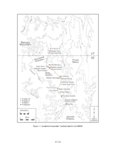
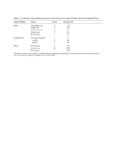
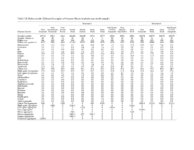
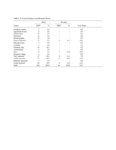
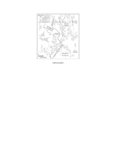
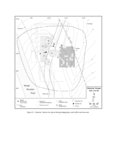
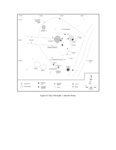
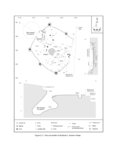
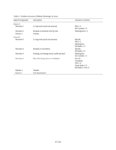
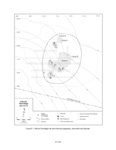
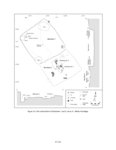
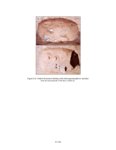
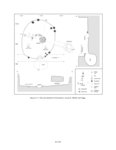
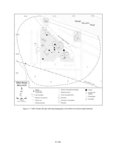
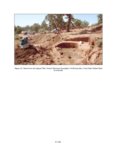
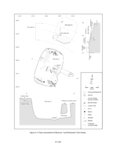
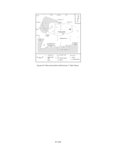
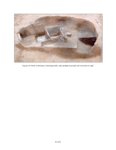
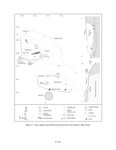
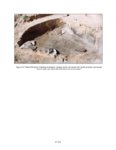
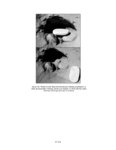
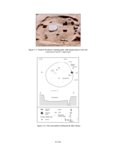
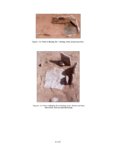
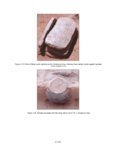
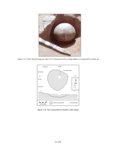
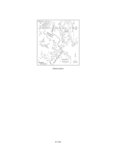
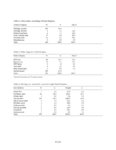
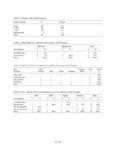
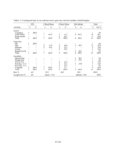
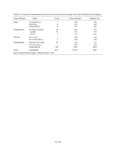
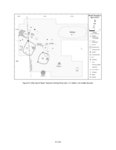
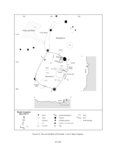
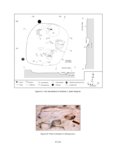
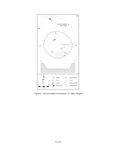
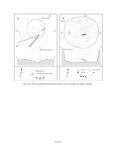
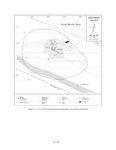
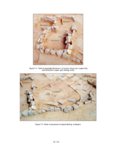
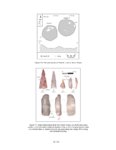
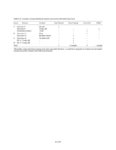
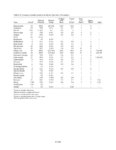
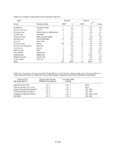
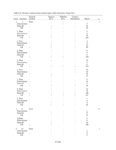
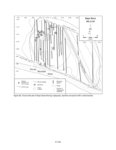
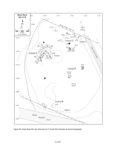
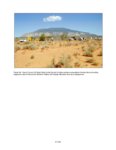
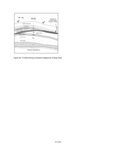
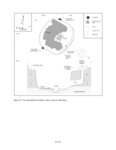
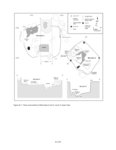
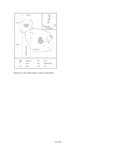
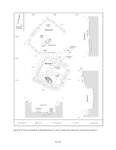
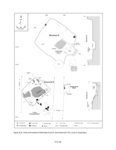
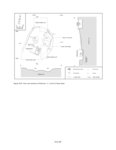
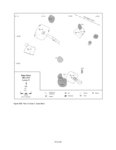
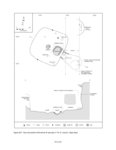
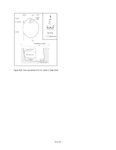
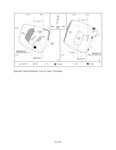
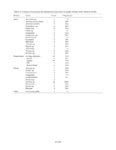
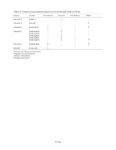
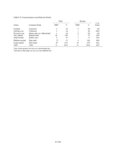
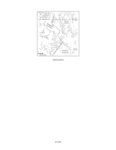
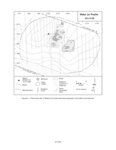
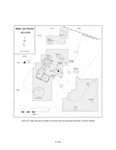
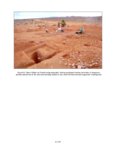
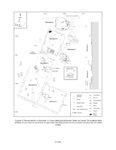
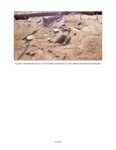
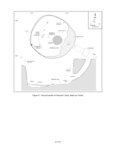
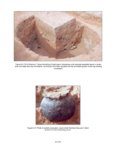
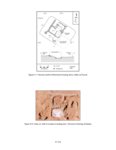
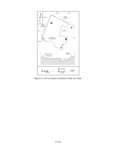
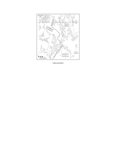
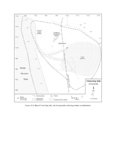
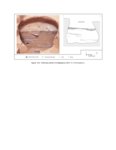
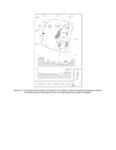
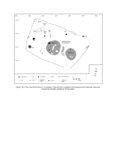
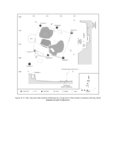
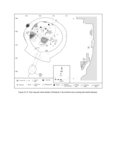
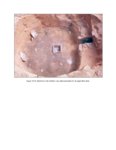
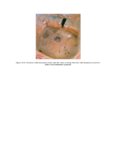
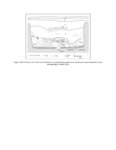
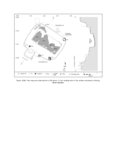
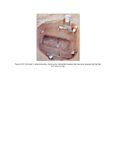
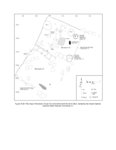
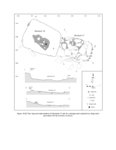
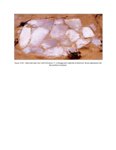
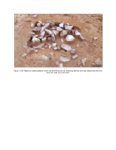
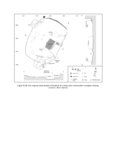
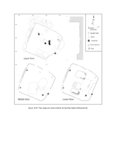
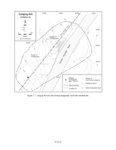
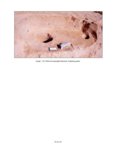
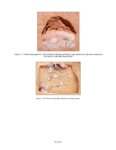
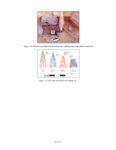
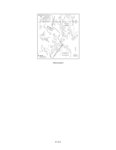
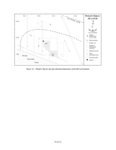
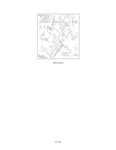
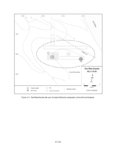
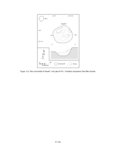
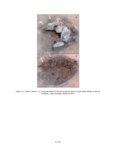
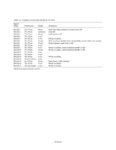
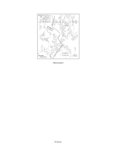
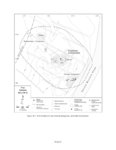
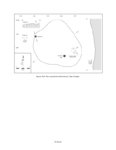
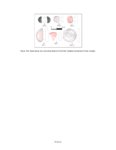
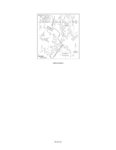
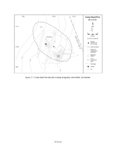
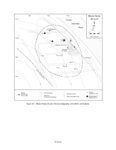
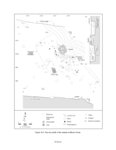
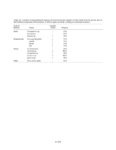
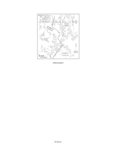
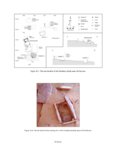
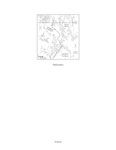
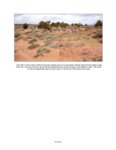
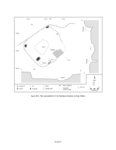
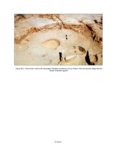
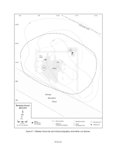
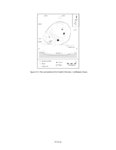
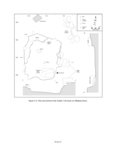
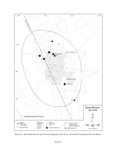
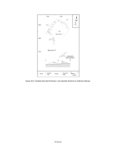
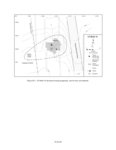
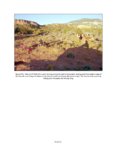
Show Chapter 5 WINDY MESA Jim Collette and Phil R. Geib Windy Mesa (AZ-J-14-28) was a multicomponent site with a late Pueblo II-early Pueblo III habitation partially exposed on the surface and partially within the ROW, and buried early Archaic and Basketmaker II cultural strata within the ROW at the southwest edge of the site (Figure 5.1). NNAD's data recovery effort focused on the Archaic and Basketmaker II components, which are described in Chapter 6 of Volume II and Chapter 13 of Volume III, respectively. Nearly all of the Pueblo component lies outside of the N16 ROW and therefore could not be investigated; the ROW was reduced to avoid this component and preserve it in place. What is known of this habitation comes from limited hand excavation and surface collection during extent testing plus the excavation of four hearths during data recovery. Description of the Archaic component at Windy Mesa in Chapter 6 of Volume II presents the background information and surface evidence for this site, as well as descriptions of the site location and setting, excavation strategy, and stratigraphy; these details are not repeated here. Stewart (1991) originally recorded the site as a single-component Puebloan habitation, but extent testing and data recovery eventually revealed two preceramic components. Partially buried masonry and a substantial, dense midden comprised the Puebloan habitation. The only Puebloan feature visible on the surface within the ROW was the trash midden. Extent testing did not disclose other Puebloan features within the ROW, but did reveal a buried charcoal-stained aceramic stratum containing hearths and sparse tiny flakes (Stratum IV), which was separated from the Pueblo occupation (Stratum II) by a layer of what appeared to be sterile eolian sand (Stratum III; Bungart et al. 1993). With the Puebloan habitation located mainly outside the ROW and funding available only for work within the ROW, it was evident that excavations at the Puebloan component of Windy Mesa would consist largely of sampling a portion of the midden. There was potential for a structure or two and a few small features within the ROW at the southern edge of the probable room block, but this remains unconfirmed. Excavating just the small portion of the Puebloan midden within the ROW would amount to artifact recovery without any proper or usable context for interpretation. The archaeologically responsible option was to reduce the N16 ROW, thereby avoiding the Pueblo component completely. The actual agreement that NNHPD negotiated with the BIA-BOR regarding the Pueblo component of AZ-J14-28 was to exclude a strip of land 60 m long and 10 m wide along the right edge of the ROW (see Figure 5.1), thereby removing all surface-evident Puebloan features from the area of effect associated with proposed road construction. A permanent fence was constructed along the edge of this restriction to protect the Puebloan component. To ensure that no burials or other significant Puebloan features remained in the ROW at Windy Mesa, a backhoe stripped a large swath along the edge of the midden. There were no burials, but two Puebloan hearths were exposed and recorded. Two other Puebloan hearths were encountered overlying the Archaic activity area. The Puebloan habitation at Windy Mesa is situated on a slight east-facing slope just east of the highest point of a narrow rise that forms part of the divide between Piute and Navajo Canyons (see Figure 6.3 of Volume II). At this location, the structures would have been partially sheltered from the southwesterly wind, with a sun-warmed eastern exposure. With its easterly orientation, the pueblo faced a sagebrush-filled linear basin 500 m away that was likely used for dry farming; a local Navajo family farmed the area at the time of the project. Other Puebloan habitations and special activity camps occur within the general area of Windy Mesa, both on the high divide and within Navajo and Piute Canyons. FEATURE DESCRIPTIONS A ROW reduction eliminated all surface-evident and known Puebloan features of Windy Mesa from the data recovery effort, but mechanical stripping exposed four buried Puebloan extramural hearths (see Figure 5.1). Two of these, Hearths 5 and 6, were discovered while stripping the 9 x 9 m area over the Archaic |