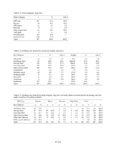
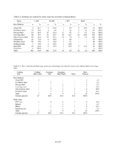
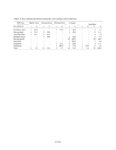
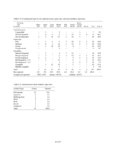
| OCR Text |
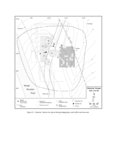
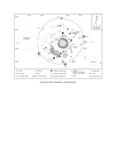
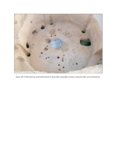
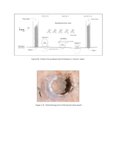
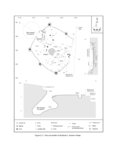
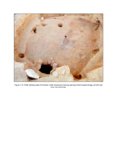
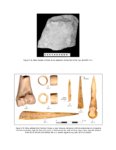
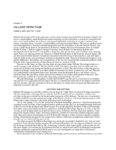
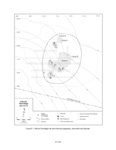
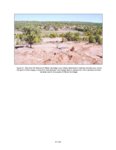
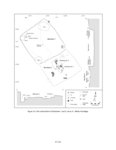
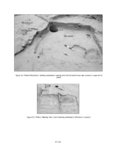
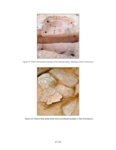
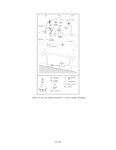
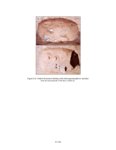
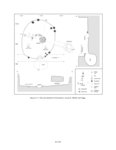
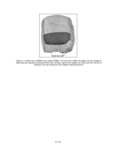
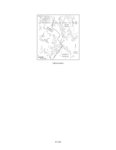
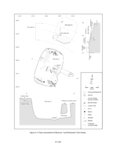
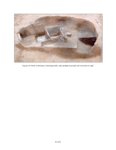
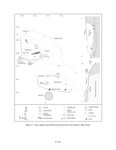
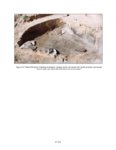
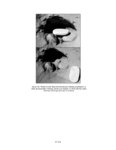
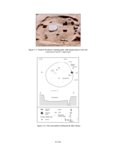
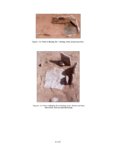
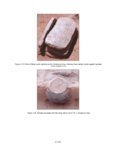
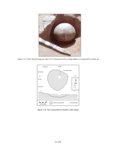
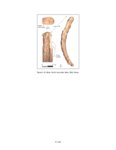
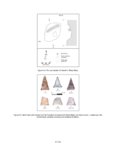
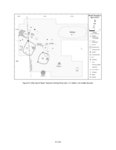
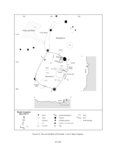
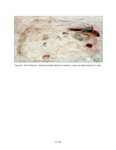
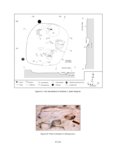
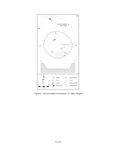
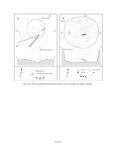
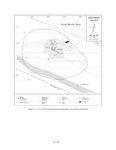
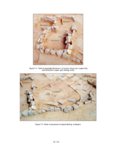
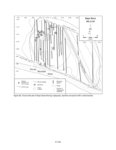
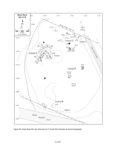
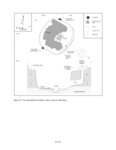
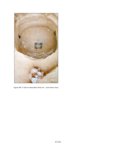
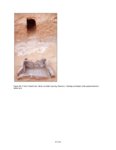
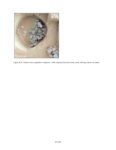
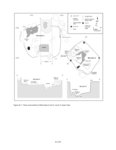
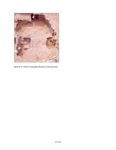
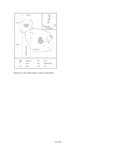
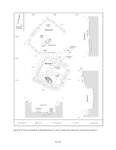
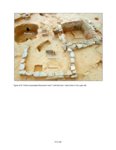
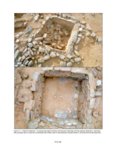
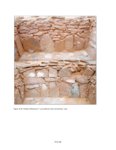
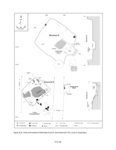
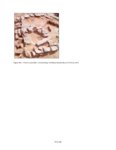
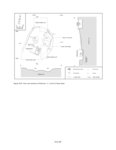
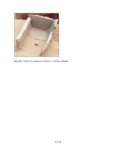
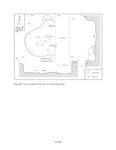
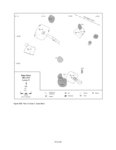
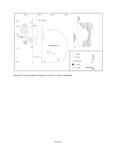
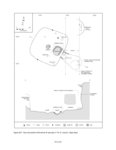
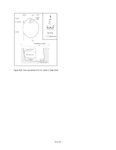
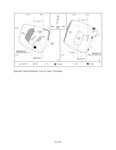
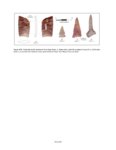
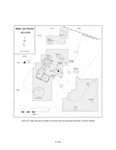
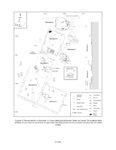
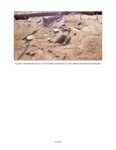
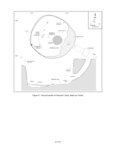
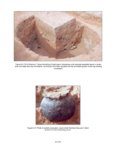
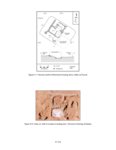
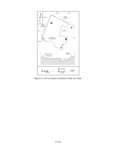
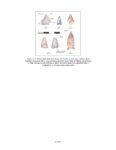
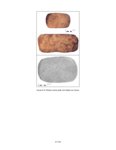
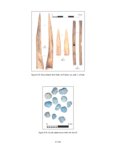
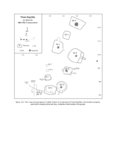
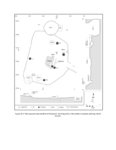
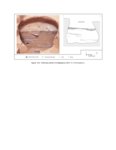
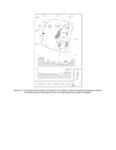
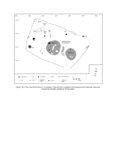
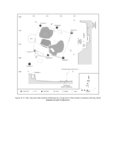
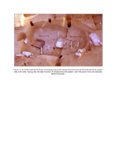
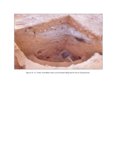
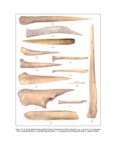
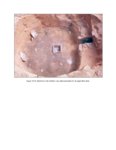
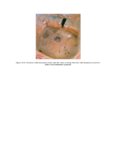
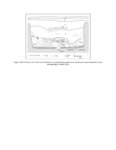
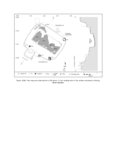
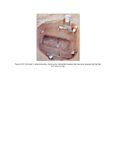
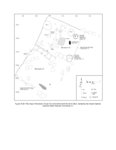
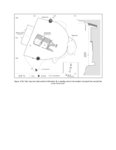
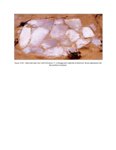
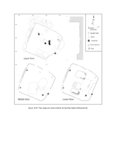
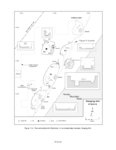
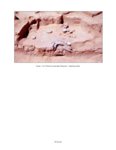
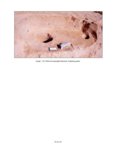
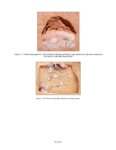
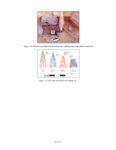
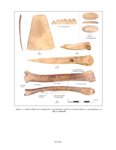
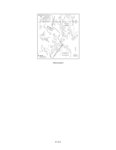
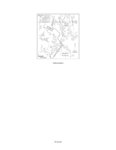
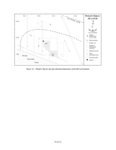
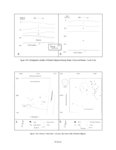
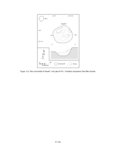
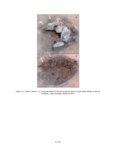
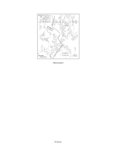
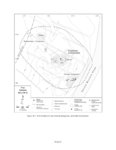
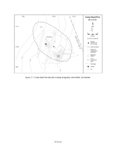
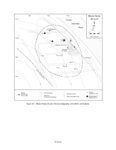
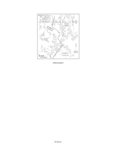
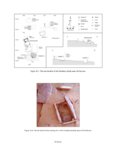
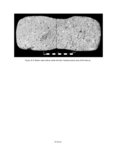
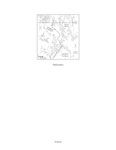
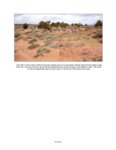
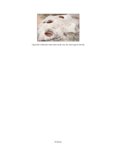
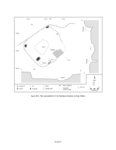
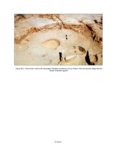
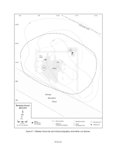
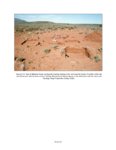
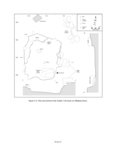
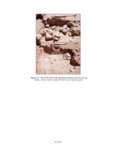
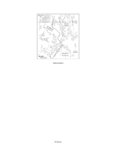
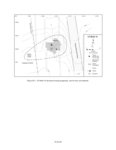
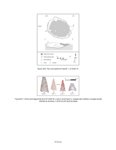
Show Structure 3 (Mealing Room, then Living Room) Structure 3 was a subrectangular, semisubterranean pit structure that measured 2.05 x 2.3 m, providing slightly less than 5 sq m of interior space (Figure 10.7). The small structure first functioned as a mealing room, and after some remodeling was also used for other purposes. Interior features included a hearth, four mealing bins, and a storage pit that extended beneath the back wall. After Structure 3 was dismantled and partially filled, the remaining shallow depression may have served as an activity area. An extramural storage vessel buried in the upper fill of the room (Storage Vessel 2) was eventually broken and covered by the masonry wall of late Pueblo III Structure 12. A puddling pit also lay within the fill of Structure 3 but it was covered with a layer of sand before construction of Structure 12. The north and west portions of Structure 3 were eventually covered by a portion of the room block, including the southwest masonry wall of Structure 12 and the southeast wall of Structure 13. Roof and Walls The lower walls of Structure 3 consisted of unprepared sand (Stratum II), partially lined with vertical sandstone slabs. The walls extended 35-40 cm below the old occupation surface and merged with the floor at a steep angle. No clear evidence regarding construction of the upper walls was discovered, but considering the lack of masonry along the walls and the nature of the floor fill it seemed likely that an jacal superstructure existed. The only posthole in the area occurred 1.1 m east of the southeast corner of Structure 3, but this feature was likely part of a ramada or shade attached to the east side of the room. Nearly two dozen sandstone slabs, some fairly large, were found in the Structure 3 floor fill. The larger of these slabs were probably placed vertically to stabilize the lower walls or support the upper walls. Much of the floor fill within Structure 3 consisted of the burned remnants of the roof and upper walls. The structural debris was surrounded by black, charcoal-stained sand intermixed with pockets of gray ash. Carbonized roof remains demonstrated that the roof was constructed with small (2-5 cm diameter) branches, oriented north-south, which supported the closing material. Several fragments of the small burned beams were found lying parallel to each only a few centimeters apart, clearly illustrating the nature of that roof layer. Many smaller burned twigs and branches found throughout the fill had no discernible patterned orientation, and it appeared that these smaller branches were either interwoven or laid on top of the larger beams as a second layer of the roof. Two small pinyon branches were submitted for dendrochronological analysis, but they could not be dated. Some of the smaller sandstone slabs within the depression may have been used in roof construction, but the jumbled nature of the rocks in the feature fill made it difficult to confidently assign rock to wall or roof contexts. Excavation of Structure 3 produced no evidence of how the room was entered. An eastern entry is suggested by the orientation of the structure but, given the placement of the interior features, entry from this direction seemed unlikely at least during the final manifestation of the room. Considering the evidence for remodeling and reuse of the structure, it is plausible that the position of the entry changed over time. Most Pueblo III mealing rooms of the Kayenta region were entered via a short ramp. The lack of burned daub within the fill of Structure 3 suggested that it was partially dismantled prior to burning, as was the case for Structure 2. It seems likely, in fact, that both rooms were cleaned out and useful construction material was retrieved before the remaining portions of the superstructures were intentionally burned. Given this scenario, the lack of an intact assemblage of artifacts clearly associated with the floor or roof of Structure 3 is to be expected. Among the artifacts recovered from the floor fill were a hammerstone, a few sherds and metate fragments, a mano fragment, and a concentration of chalcedony debitage (n = 97) in the southern part of the room. Given its density and homogeneity, the debitage concentration likely reflects activity in the room shortly before it was abandoned. An unburned bone awl was recovered where it had been pushed into the lower, unlined wall in the northwest corner of the house. A bone awl and a few other artifacts were found in the relatively clean tan sand overlying the roof and wall material comprising the floor fill within Structure 3; these artifacts likely had little to do with the occupancy of the structure and represent debris deposited after it had been dismantled and burned. Floor Most of the floor within Structure 3 was unprepared sand, compacted through use. Only a small portion of the floor near the center of the room was lined with a layer of tan clay, nearly 1 cm thick. It is possible that the entire floor was plastered at some point, but the room obviously was subjected to at least one episode of remodeling. The plastered floor surface may have been installed early in the life of the room when it served for mealing, and more plaster simply was not reapplied after it wore away. Artifacts found in direct contact with the floor did not represent a "living assemblage," |