| OCR Text |
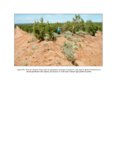
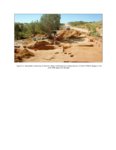
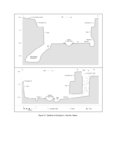
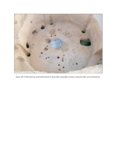
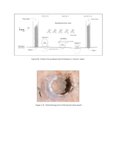
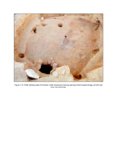
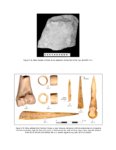
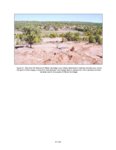
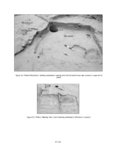
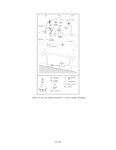
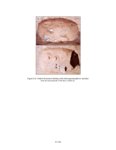
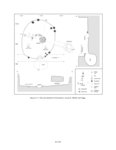
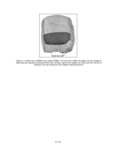
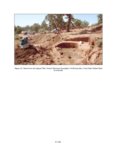
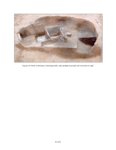
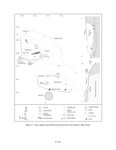
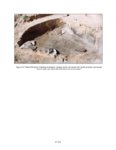
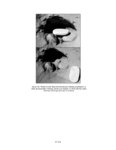
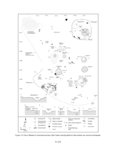
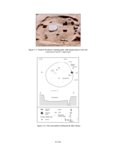
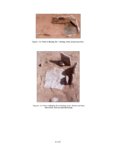
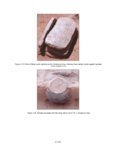
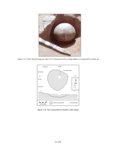
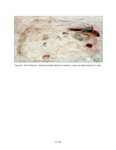
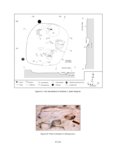
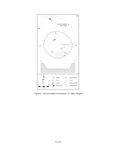
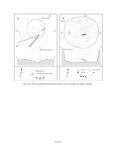
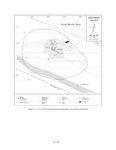
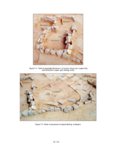
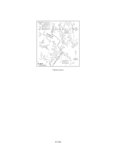
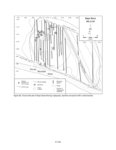
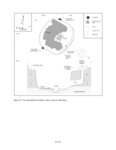
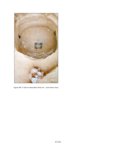
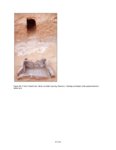
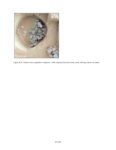
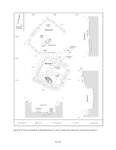
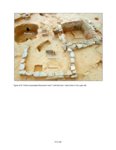
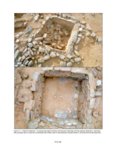
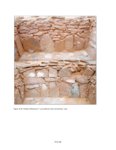
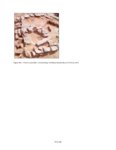
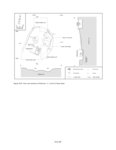
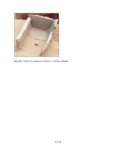
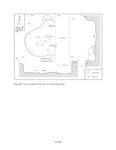
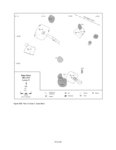
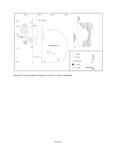
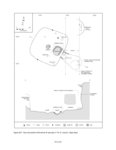
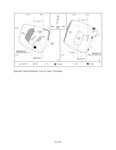
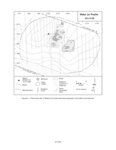
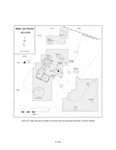
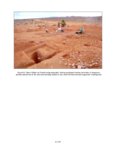
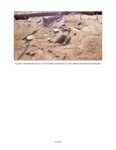
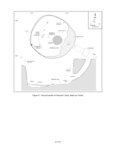
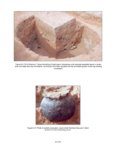
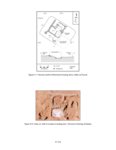
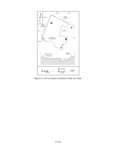
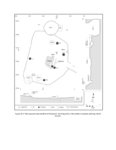
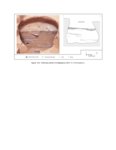
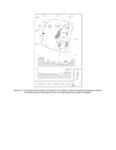
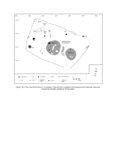
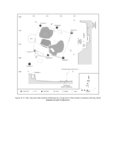
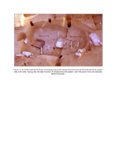
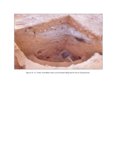
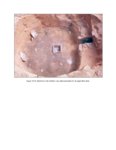
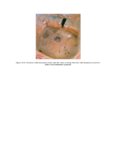
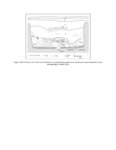
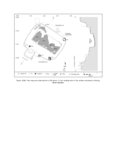
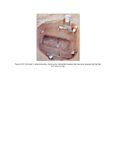
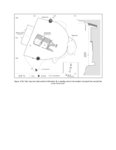
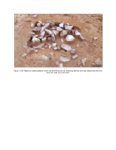
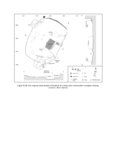
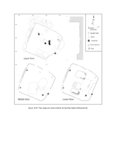
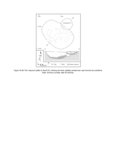
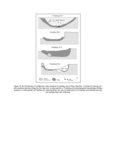
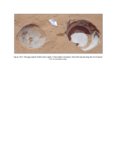
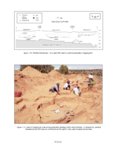
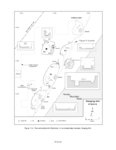
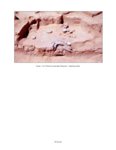
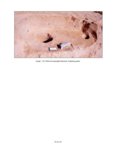
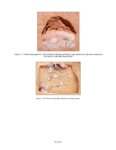
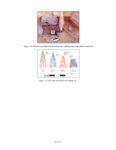
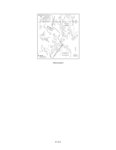
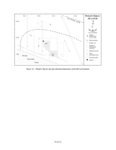
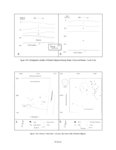
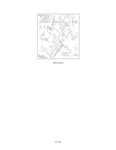
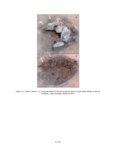
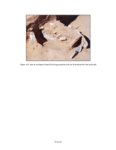
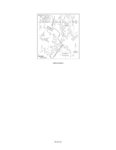
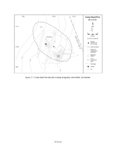
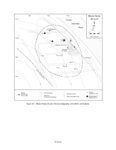
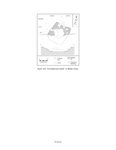
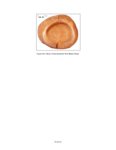
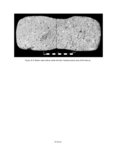
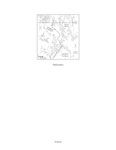
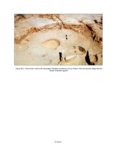
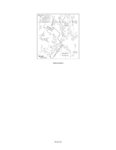
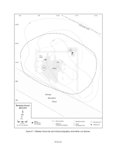
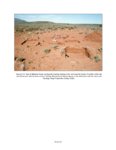
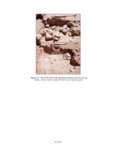
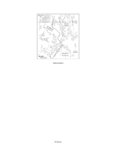
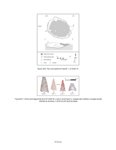
Show the north side of the hearth, and the slabs extended a few cm above the clay. Total depth of the hearth was approximately 20 cm, and the feature was 65 x 55 cm in plan. Hearth fill consisted of two distinct layers: a lower lens of light gray ash that was 10-12 cm deep, and an upper layer of gray-brown sand identical to the post-abandonment fill of the structure. Sherds recovered from the upper layer probably relate to the erosional filling of the structure, but a metate fragment from the lower ash lens was in situ. A flotation sample from the lower ash fill, which represents the last use of the hearth, contained carbonized seeds of goosefoot, cf. false-tarragon, and mallow family. Pits. Two small pits in the south half of the structure were not evident until subfloor excavation. Given their location, they may have been loom holes, but were larger than normal; they seemed too shallow for postholes, and indeed interior posts would be unnecessary for a structure of this size. Pit 3, northwest of the hearth, may have been a sipapu. This feature measured 11 x 12 cm and 12 cm deep. The upper few cm of Pit 3, and a 1 cm wide band around the pit mouth, were lined with red clay. Pit 3 was roughly in line with the hearth and ventilator, typical placement for a sipapu. Along the south wall, at the wall-floor junction, a large globular storage pit extended to the south. The opening of Pit 4 was roughly 40 cm in diameter, and the pit walls expanded quickly to maximum dimensions of 115 x 95 cm and 105 cm high. The pit was entirely within Stratum IV and the presence of patchy oxidation on the walls indicated that the interior was hardened by firing after the pit was constructed. Upper pit fill was erosional sand with sparse artifacts, identical to the fill of the main chamber. The lowest 5 cm of pit fill appeared similar to the upper fill, but it must have been deliberately deposited because above this layer was a thin (2-3 cm) lens of fine, light gray ash that covered most of the pit diameter. Only a few artifacts were found below the ash lens. A few burned corn cobs were also recovered from the fill below the ash lens. It appeared that the storage pit was cleaned out and partially filled before abandonment. No mouth cover for this feature was found, although one may have been removed by the backhoe trench. At the mouth of the pit, in an area about 10 cm wide, the floor of Structure 6 sloped downward 3-5 cm, suggestive of a small ramp into the pit. Unfortunately, this area was also disturbed by rodents, so the exact morphology of the pit mouth remains unknown. A flotation sample of the ashy fill of the storage pit was the richest sample at the site, no doubt in large part because of the depth below the ground surface, which aided in preservation. This sample contained carbonized seeds of six different taxa, mostly weeds (goosefoot, pigweed, purslane, tobacco, grass, and plantain) as well as corn kernels, cobs, and portions therefrom. The tobacco seeds might reflect ceremonial uses of Structure 6. Loom Holes. Three small pits near the center of the structure appeared to be loom holes. These features were 6-8 cm in diameter and 11-14 cm deep. They were partially surrounded, but not covered, by a thin layer of white clay on the floor. None of the holes contained artifacts and the fill consisted of erosional sediment. Fill and Abandonment The lack of roof fall material and the erosional nature of the fill suggested that the roof was dismantled and the structure was left open upon abandonment. The lowest 15 to 20 cm of fill contained relatively more artifacts and small charcoal pieces than the upper fill, but all of the light gray fill appeared erosional. Structure 6 originated near the lower boundary of the cambic horizon (Stratum III), which was quite thin in this area, and extended into Stratum IV. Structure 6 was not visible in plan view until Stratum II was removed, indicating that Stratum III formed the occupation surface in this part of the site. A large pile of sandstone rock was encountered in the eastern half of the structure during excavation (Figure 3.13). The orientation of these rocks indicated that they were thrown into the depression from the east. The rock pile sloped to the west, overlying sand that was 25-60 cm thick above floor level; the presence of the sand indicates that the rock was introduced after sediment covered the east half of the basin and lower part of the east wall. The rock covered an irregular area 1.75 x 1.8 m in the eastern part of the structure, and along the south edge of the pile were a couple of two-hand manos. The volume of rock and the large size of many of the blocks were suggestive of architecture, but the original location and use of the rock is unknown. There was no evidence that a masonry wall was associated with Structure 6, or any of the structures to the northeast. The rocks may have formed a windbreak wall, but they seemed rather massive for such a feature. The reason for disposal of the rock into the Structure 6 basin is also unknown. The rock did not block the ventilator, a pattern common at Pueblo III sites in the area; the rock pile was at least 20 cm from the eastern wall, and there was no rock within the horizontal part of the ventilator shaft. But the rocks were placed along the hearth/vent axis, and may have "symbolically" served the same function as rocks used to physically block or plug ventilators at other sites, such as the kiva at Sapo Seco (see Chapter 8 of this volume). In fact, the vertical shaft at Structure 6 was plugged, so IV.3.15 |