| OCR Text |
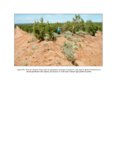
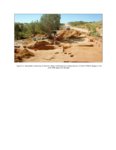
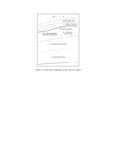
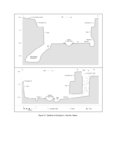
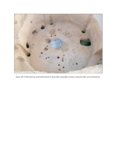
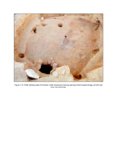
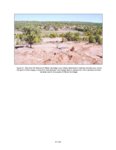
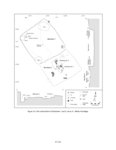
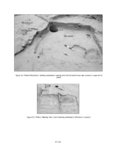
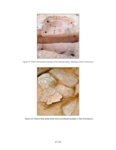
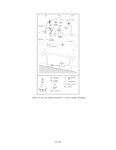
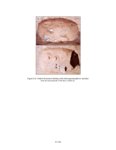
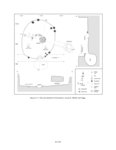
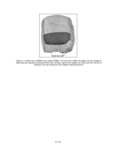
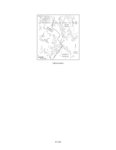
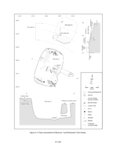
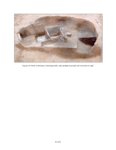
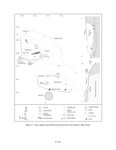
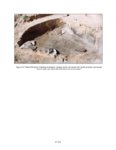
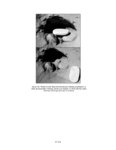
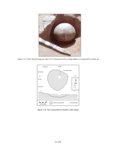
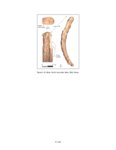
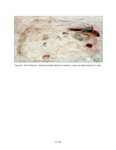
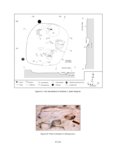
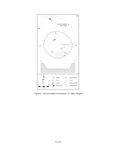
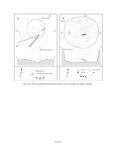
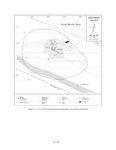
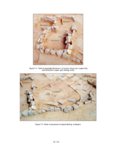
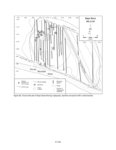
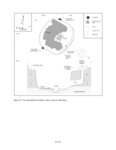
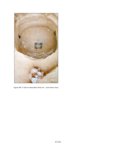
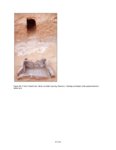
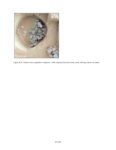
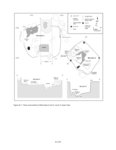
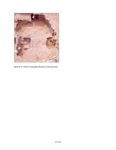
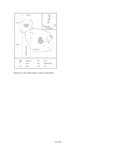
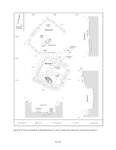
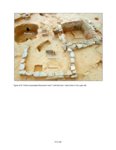
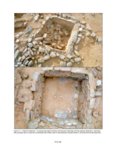
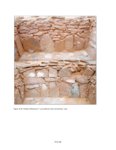
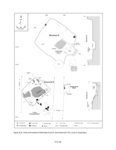
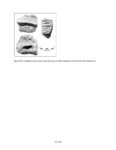
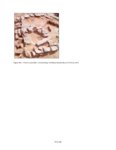
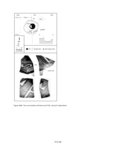
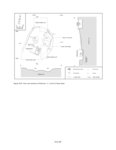
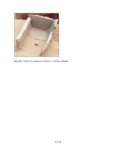
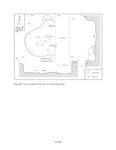
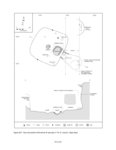
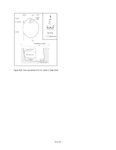
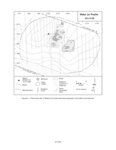
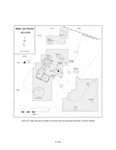
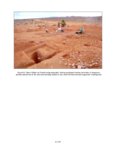
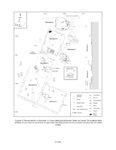
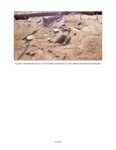
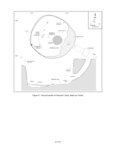
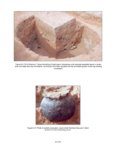
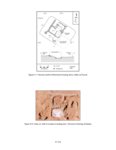
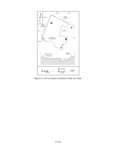
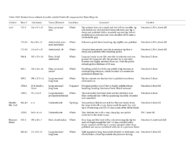
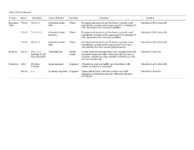
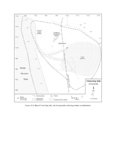
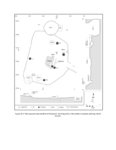
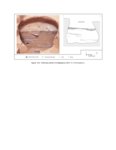
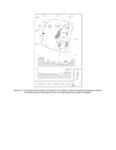
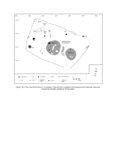
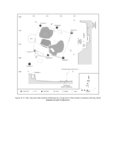
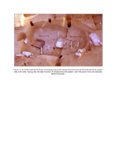
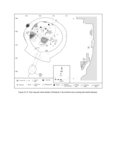
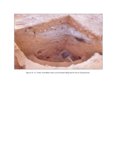
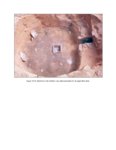
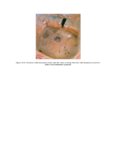
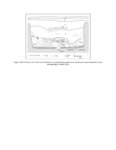
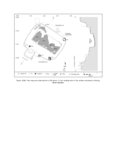
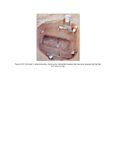
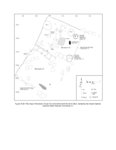
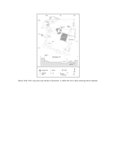
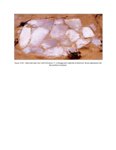
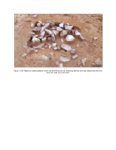
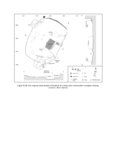
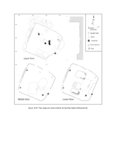
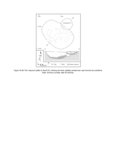
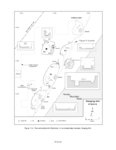
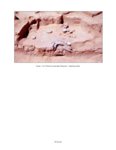
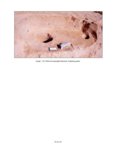
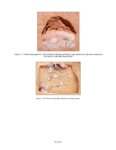
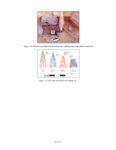
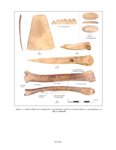
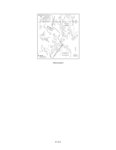
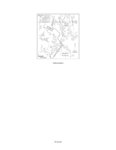
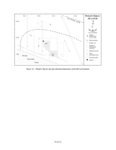
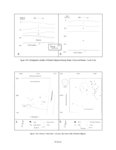
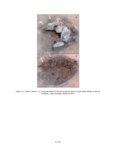
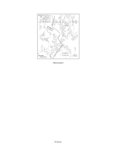
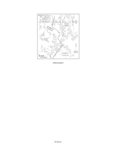
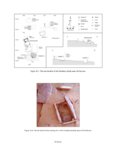
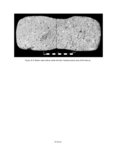
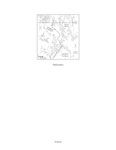
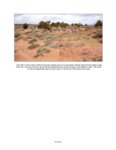
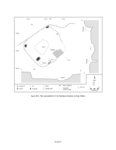
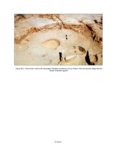
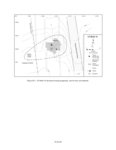
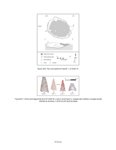
Show Roof and Walls Structure 20 was the most southerly of the late Pueblo III rooms. The entire room was partially subterranean. A square basin was excavated about 40 cm into the stable dune to build the first version of the structure; the two subsequent rooms used the same basin but raised the floor by about 7 cm each time. There was no evidence that the walls were remodeled when the function of the room changed, except perhaps the location and configuration of the entry. Upright sandstone slabs lined the lower west wall of Structure 20, resting on the floor surface; small stacked stones filled a gap between two of the vertical slabs. The lower north wall was also partially defined by upright slabs and at least two slabs found in the lower fill of the room appeared to be vertical wall slabs that had fallen into the basin. Above the slabs on the north and west walls was coursed masonry, set on the prehistoric ground surface. Three courses remained intact in one segment of the west wall, but most of the masonry was represented by only one to two courses. Masonry along the north wall consisted of stacked boulders rather than nicely coursed masonry, and extended only half the length of the room. Presumably the eastern portion was removed after the room was abandoned. The amount and distribution of rock within the basin indicated that the masonry walls were full height. Red clay mortar and chinking stones remained embedded between the intact masonry courses and small mortar chunks were common in the fill of the room. The east and south walls were evidently built of jacal because the distribution of rubble within the room indicated that masonry walls had collapsed, or were pushed over, mainly from the west and north. In contrast, a fair amount of clay mortar was encountered in the southern and eastern portions of the room, likely the remains of jacal wall segments. A large upright slab covered the lower portion of the center of the south wall but no slabs were found in place along the east wall. Entry to Structure 20 was through the east wall, but the exact morphology of the entryway could not be defined for any of the versions of the room. A small door raised off the ground would have been typical for the storage room. A sloping section of the eastern wall hinted at a shallow step entry during use as a living room, and the same configuration was probably in place for the mealing room. Four probable postholes were identified in the lower two floors of Structure 20, and one other possible socket was identified along the east wall in the final layout. Two postholes, each 8 cm in diameter, were found along the west wall, just inside the upright slabs. Two post sockets in the southeast corner measured 10 cm in diameter. One of these was set about 20 cm inside the jacal wall edge and the other was along the wall; one or both of these might have related to the south edge of the entryway. The small hole visible only in the upper floor near the center of the east wall was 8 cm in diameter and was filled with erosional sand similar to the surrounding sediment. If a post was once present at this location it was probably removed when the room was dismantled. Floor During the third and final phase of use of the room for storage, the floor of Structure 20 was lined with tabular sandstone slabs. Most of the slabs were pulled up when the room was abandoned, leaving only a few in the southeast and north-central areas. The slabs were set into relatively clean sand that was laid over the floor of the underlying living room, including over the earlier hearth. A sediment sample collected from beneath several large Rainbow Gray sherds (which conjoin) on the northwest section of floor produced abundant Cheno-Am pollen, including five aggregates containing 12 grains, relatively high frequencies of maize and sunflower family pollen, and a small amount of beeweed pollen. It is possible that this sample represented not only foods stored during the final use of the room, but also species used by the occupants of Structure 20 when it was a living space. In its final configuration Structure 20 had no interior features, typical for storage rooms in the Kayenta region. A slab dipping into the room along the east wall was not convincing as a storage room entryway; it was more likely a small door raised above the ground level to prevent rodent access, which would have left no evidence along the lowest walls. The slabs that formed the storage room floor were laid over an underlying hearth associated with use of the room as a living space. In its second manifestation, Structure 20 exhibited a sandy floor that was compacted from use but was not lined with slabs or plaster. The slightly basin shaped floor of the living room was approximately 35 cm below the prehistoric ground surface. A rectangular area in the southern part of the room contained small chunks of gray-white clay, evidence of the underlying mealing bins associated with the lowest floor. The living room floor exhibited little charcoal staining, mainly near the rectangular hearth, which was the only interior feature. The hearth measured 90 x 55 cm and was only about 10 cm deep. The feature was unlined, although slabs may have once been present but were removed when the room was remodeled. A few slab fragments found in the upper hearth fill may have |