| OCR Text |
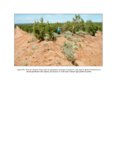
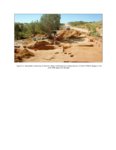
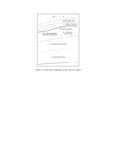
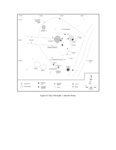
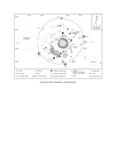
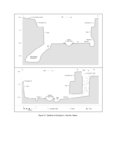
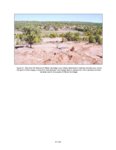
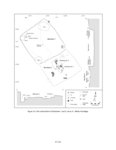
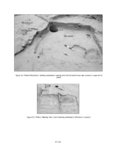
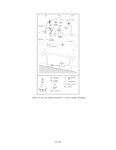
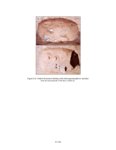
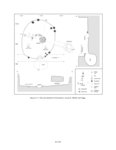
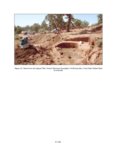
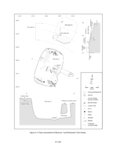
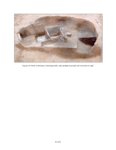
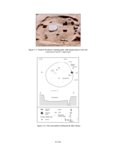
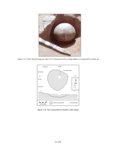
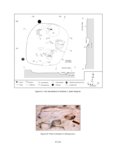
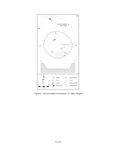
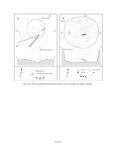
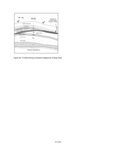
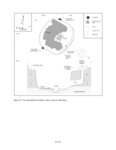
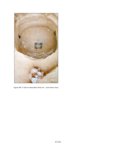
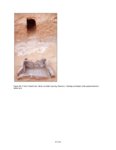
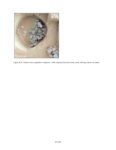
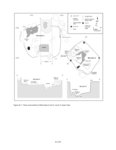
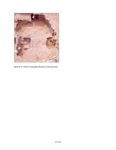
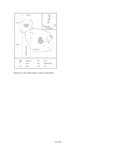
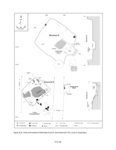
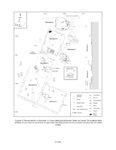
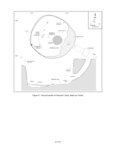
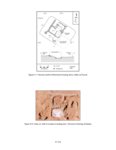
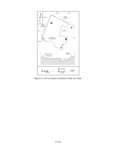
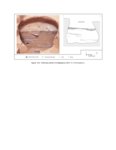
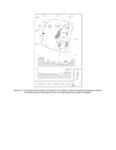
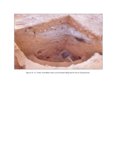
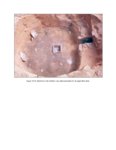
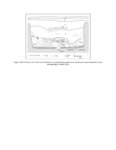
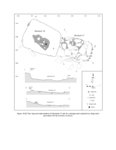
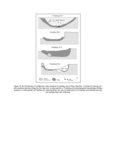
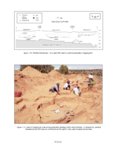
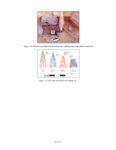
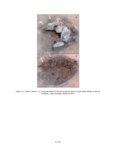
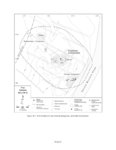
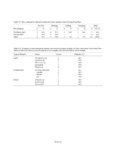
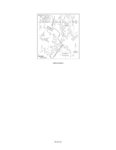
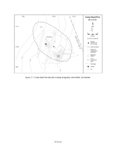
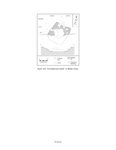
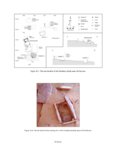
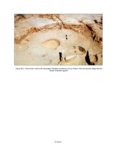
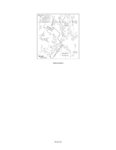
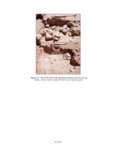
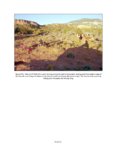
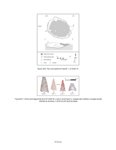
Show features. Several scattered soil stains, identified as potential features of an earlier (Archaic) component in the extent testing report, turned out to be the natural residue from decomposition of juniper or pinyon root balls. All cultural remains documented at Water Jar Pueblo related to the late Pueblo III occupation. STRATIGRAPHY The five natural and cultural strata identified at Water Jar Pueblo during extent testing were slightly revised during data recovery to more accurately characterize site stratigraphy. The strata consisted of an overlying eolian sand, a soil profile containing A, B, and C horizons, and an underlying lag deposit of sub-angular gravel. Navajo Sandstone bedrock underlay the gravels, and several small bedrock ridges were only 20-30 cm below the present surface. Along the N16 roadcut south of the site, where slope erosion was severe, the soil horizons were absent. Stratum I was a loose, light brown to light reddish yellow, fine-grained eolian sand. Stratum I overlay all other sediment across the site, ranging from 5 to 65 cm thick along the crest of the ridge and up to 1 m thick in the southeastern part of the site. Where the ridge descended to the south, Strata II and III were absent and Stratum I was mixed with the eolian sand of Stratum IV. Stratum I was post-occupational sediment, and the few artifacts associated with it were exposed in deflated or sheet-washed areas. Stratum II was a loose, grayish, fine-grained sand, interpreted as an incipient A soil horizon. Stratum II was best developed where the sediment covering the ridge was most stabilized, namely along the ridge crest. This layer ranged in thickness from 5 to 15 cm. Stratum II was a post-occupational development; sand accumulated on the occupation surface after abandonment and was stable long enough to form an A horizon. The layer was enriched by incorporation (welding) of cultural debris that remained on the surface when the site was abandoned. In most areas the prehistoric occupation surface was approximately at the upper boundary of Stratum III, a compact, red, clayey sand, interpreted as a B (cambic) horizon. This layer averaged 10 cm thick. Stratum III, deposited as an eolian sediment, developed into the B horizon prior to occupation of the site. To the north, at Sapo Seco, two distinct episodes of cambic soil formation were evident-one before site construction and one after occupation. It appeared that two episodes of cambic development also took place at Water Jar Pueblo, but in the main site area the same sediment layer was affected both times, producing a strongly defined, very compact horizon. The cumulative result of both episodes of cambic development is included in the Stratum III designation, because they were indistinguishable except when the earlier layer was removed by prehistoric construction. Several of the features at the site, including the kiva, cut through the original cambic horizon and into the underlying Stratum IV. Because the kiva depression had not completely filled, and so was not a stable surface when the second episode of cambic development took place, there was no B horizon across the feature fill. In contrast, the shallow Structures 8 and 9 were completely filled when the second cambic formation took place, and they exhibited a weak B horizon near the top of the feature fill. The A and B horizons of Strata II and III, re-spectively, were variably developed across the site. To the east of the site, both horizons were present, but were substantially thinner than in the main site area. In places where the soil profile was most fully developed, the process of soil formation made the contact between Strata II and III difficult to observe. When visible, the Strata II-III intergrade was distinguished as flaky, reddish purple sandy clay above the compact Stratum III. Stratum II darkened from a gray to a brown color that bled into the deep red color of Stratum III. Stratum IV was a buried C horizon defined as a compact, light brown to light reddish yellow, finegrained eolian sand. In places where Stratum III was eroded prehistorically, the top of Stratum IV was the prehistoric occupation surface. Furthermore, where slope erosion had removed the Strata II-III soil profile, especially to the south of the main site area, the contact between the eolian sand of Strata I and IV was distinguished only by the compactness of the sand. Along the crest of the ridge, Stratum IV quickly graded into the gravel and red clayey sand of the underlying Stratum V. The result was a discontinuous, mixed layer ranging in depth from 15 to 40 cm. In the southern half and peripheral areas of the site, Stratum IV re-mained a massive eolian unit, ranging from 50 to over 150 cm thick. To the east of the midden, Stratum IV quickly became several meters deep as the bedrock underlying the site descended. Stratum V was a lens of dispersed to concentrated sub-angular gravel surrounded by a matrix of red clayey sand. Calcium carbonate inclusions were prevalent where the matrix was particularly cemented. Stratum V was encountered across the entire site, either below or mixed with the overlying Stratum IV. Stratum V ranged from 5 to 20 cm thick. Resting upon the Navajo Sandstone bedrock, Stratum V represents an ancient accumulation of residual gravel and clay-rich sediment. Based upon the nature of the strata and the erosion of sherds, there evidently was no burial of the site for some time after abandonment, only deflation and erosion of the surface. This interval was followed by a period of sediment deposition and soil formation, resulting in A, B, and C horizons, and welding of the activity surface within the cambic layer; this made defining floors extremely difficult. Erosion IV.9.3 |