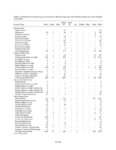
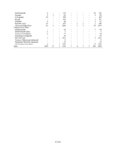
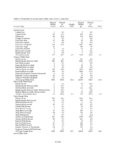
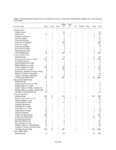
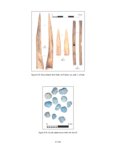
| OCR Text |
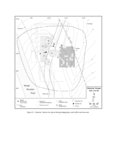
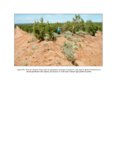
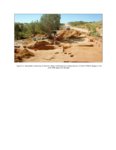
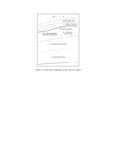
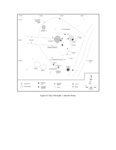
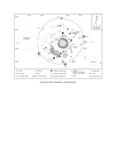
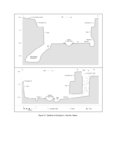
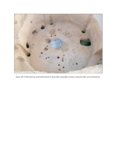
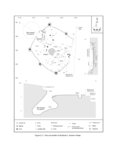
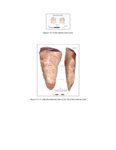
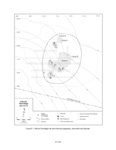
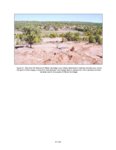
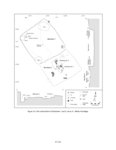
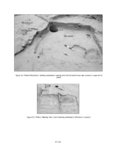
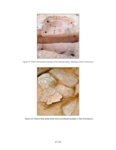
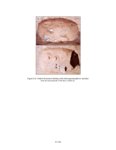
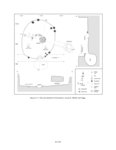
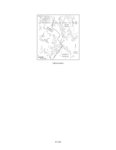
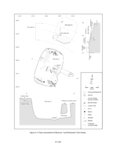
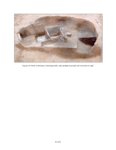
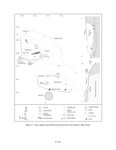
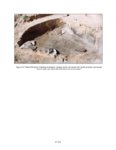
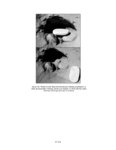
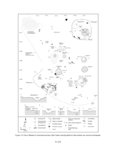
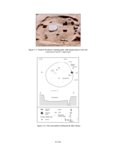
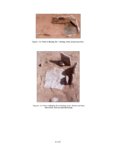
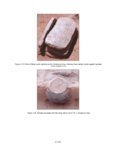
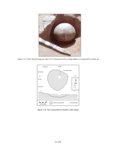
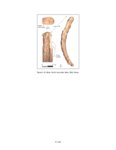
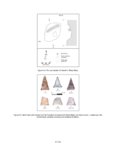
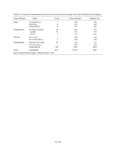
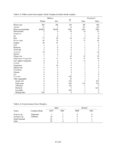
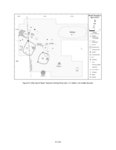
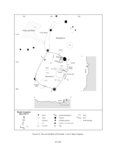
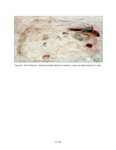
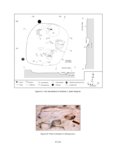
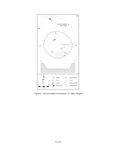
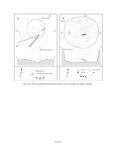
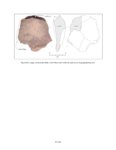
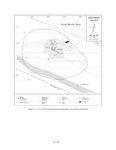
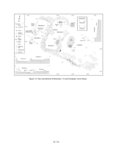
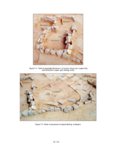
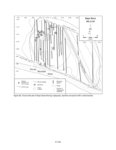
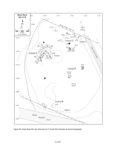
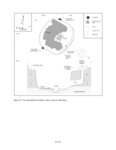
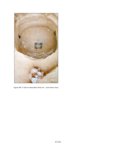
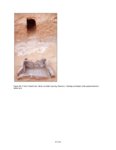
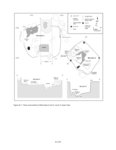
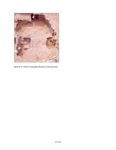
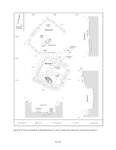
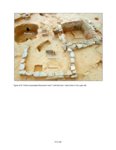
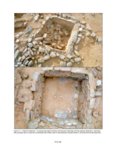
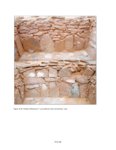
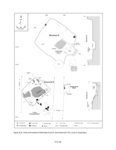
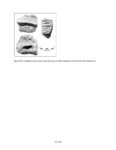
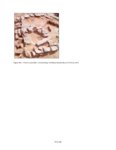
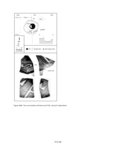
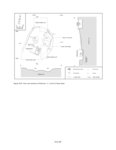
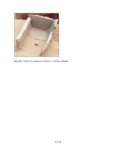
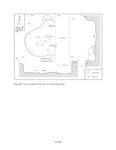
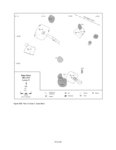
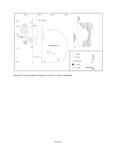
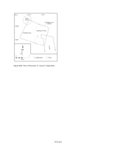
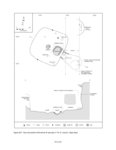
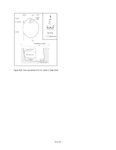
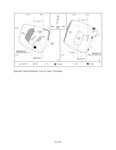
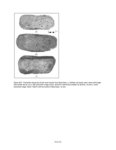
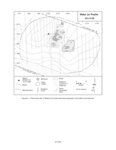
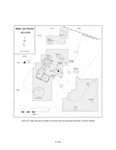
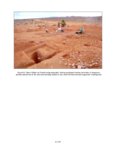
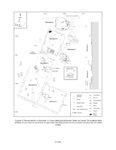
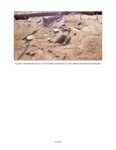
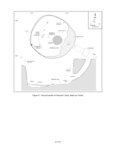
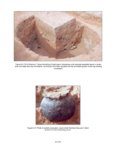
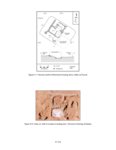
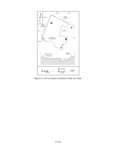
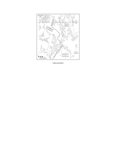
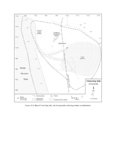
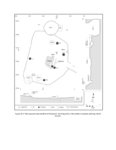
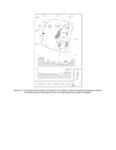
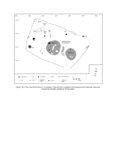
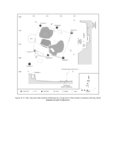
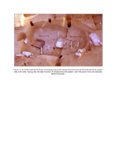
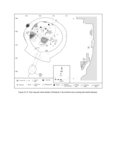
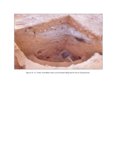
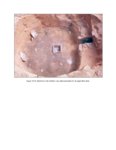
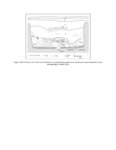
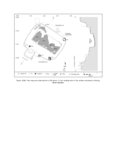
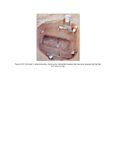
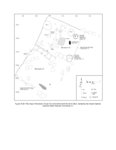
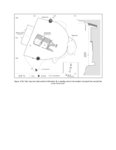
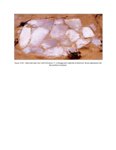
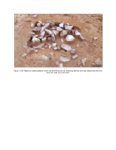
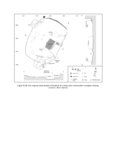
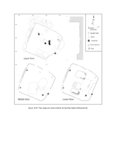
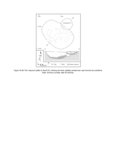
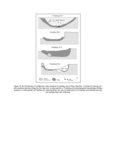
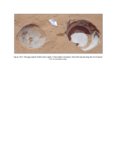
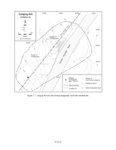
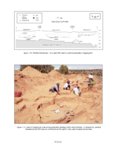
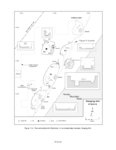
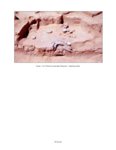
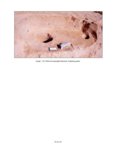
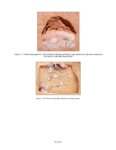
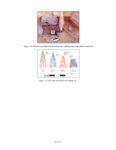
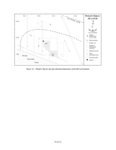
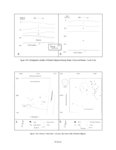
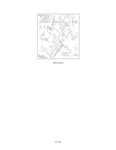
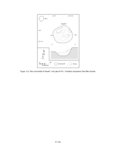
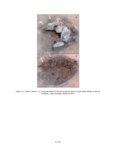
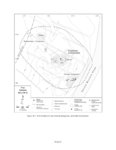
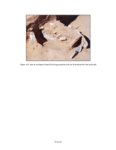
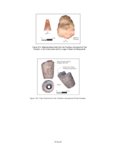
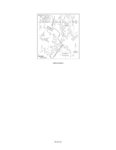
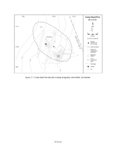
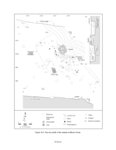
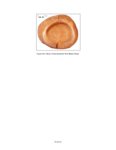
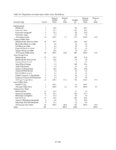
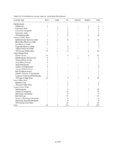
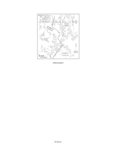
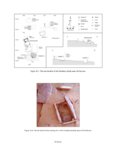
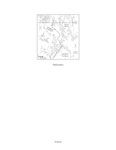
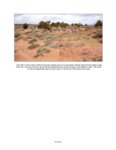
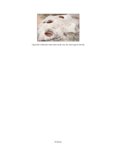
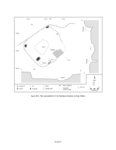
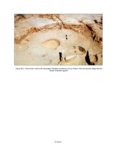
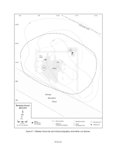
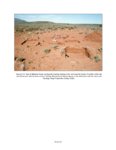
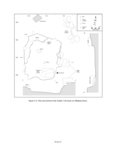
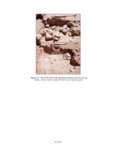
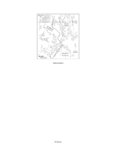
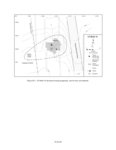
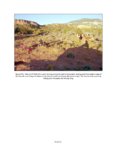
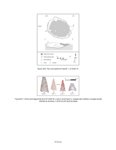
Show a practice that was likely done to salvage valuable metates. Fill and Abandonment Structure 3 was filled with abundant masonry wall fall in a matrix of loose windblown sand. Artifacts were sporadic throughout the fill, occurring in very low numbers. Several small concentrations of charcoal were noted in the lower fill in the western half of the room. The concentrations were apparently secondary in nature and neither extensive nor intensive enough to indicate either in situ burning or postabandonment burning of roof materials. Abandonment of Structure 3 was characterized as deliberate, with the most valuable items removed, including dismantling the mealing bin to salvage the metate. The small pitcher and mano in the mealing bin did not by themselves represent a full floor assemblage. These items were probably easy to replace and not worth the trouble of transporting. Structure 3, however, was thought to have been sealed upon abandonment. As mentioned above, two massive slabs, since fallen, appeared to have been placed so as to block the outside entrance into Structure 3 and as a consequence access to the other two rooms. The slabs might have comprised a temporary closure, with the intention of reoccupying the structures at some later time. Structure 3 yielded 34 sherds from the upper fill, floor fill, and floor contexts. Only one small whiteware sherd (Tusayan Black-on-white) ap-peared in this feature, which was dominated by utility ware sherds representing at least three jars, and a small sand-tempered Tsegi Orange bowl or ladle rim. The three sherds from the floor were a local grayware jar with a rough surface, an un-painted, unslipped, polished Tsegi Orange Ware jar, and a Kiet Siel Gray jar. Courtyard The courtyard, which lay southeast of the room block, consisted on an L-shaped area, defined on the northwest by the southeast wall of the room block and on the southwest by a masonry wall extending out from the southern corner of the room block (Figures 7.3 and 7.5). The courtyard was open to the northeast and southeast. The two enclosed sides were both relatively long-4.4 m along the room block wall and 4.75 m along the wall extension; consequently, the courtyard covered a fairly substantial area, encompassing nearly 21 sq m. Three secondary features-a mealing bin, hearth, and pit-were identified in the courtyard. The bottom course of the southwest masonry wall consisted of a core of upright slabs wedged between blocky exposures of bedrock for support. The bottom course ranged from one to three uprights thick, for a total basal width of 20 to 40 cm. The uprights generally rose about 40-60 cm above the surface of the courtyard. The extramural surface south of this wall (outside the courtyard) was 35-40 cm higher than the courtyard surface, indicating that the natural slope of the landscape had been cut vertically to incorporate the placement of the basal course of uprights. The bottom course was the only portion of the wall still in situ. A generous amount of wall fall flanking and burying the in situ course indicated that the wall had once stood at least 1 m high, if not more. The wall fall was primarily blocky pieces of sandstone, suggesting that the upper courses were constructed in simple, dry-laid, stacked fashion, similar to the upper courses of the room block walls. The courtyard surface consisted of the hard clayey sand of Stratum III, with several exposures of bedrock just inside the southwestern wall. The surface was remarkably free of artifacts and staining, suggesting that not only was the area cleaned upon abandonment, but also that the courtyard was routinely swept during the occupation. Excavations recovered 136 sherds from the courtyard area, an assemblage consisting primarily of Tusayan Black-on-white, Tusayan A and B Polychrome, and Kiet Siel Gray. No ceramics were recovered from the secondary features of the courtyard. The sherds represent a minimum of 14 to 17 vessels, including part of the base of a large whiteware jar, a Flagstaff Black-onwhite bowl, at least three Tusayan Black-on-white jar fragments, a small Tusayan Black-on-white bowl with a flat corrugated exterior (Shato variety), three to four Tusayan Polychrome bowls, both A and B varieties, a Tsegi Orange Ware ladle handle, and portions of at least four to six jars of local utility ware and Tusayan Gray Ware. A pollen sample taken from under a large sherd in the western corner of the courtyard, where the room block and the southwest wall met, contained the highest proportion of beeweed pollen at the site (8%) as well as a single grain of maize pollen. As with other samples from the site, the one from the courtyard was dominated by Cheno-Am (47%) and sunflower family (14%) pollen, including aggregates of both. The courtyard was buried by 10-30 cm of Stratum II and a veneer of Stratum I. Artifacts were recovered sporadically throughout the fill, with densities increasing somewhat with depth. The items IV.7.8 |