| OCR Text |
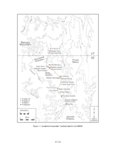
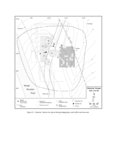
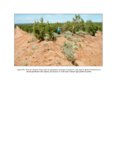
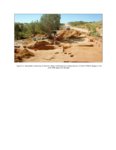
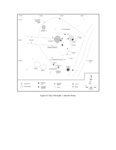
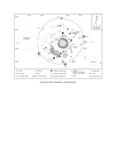
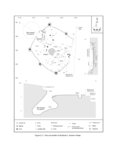
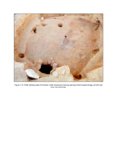
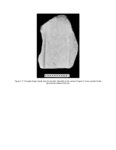
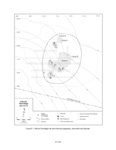
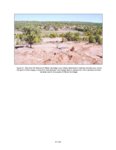
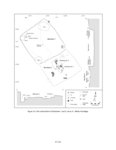
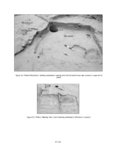
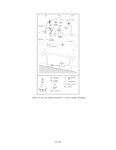
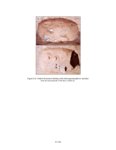
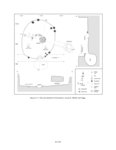
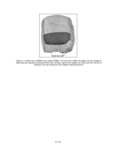
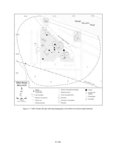
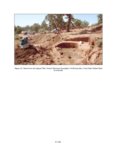
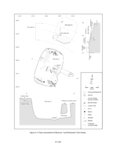
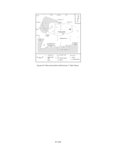
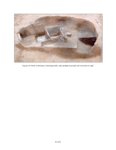
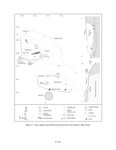
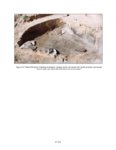
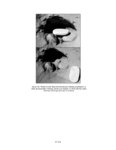
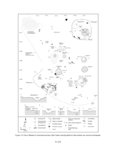
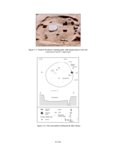
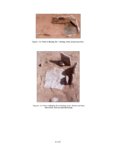
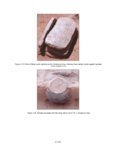
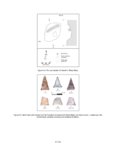
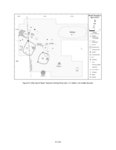
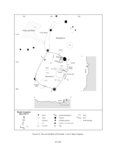
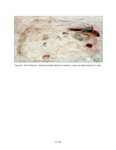
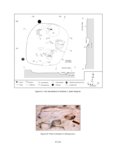
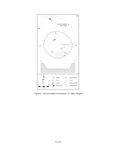
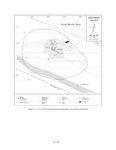
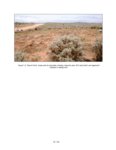
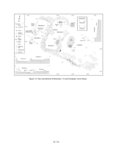
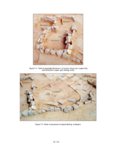
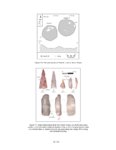
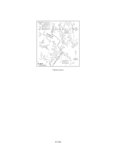
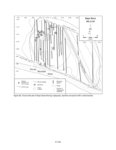
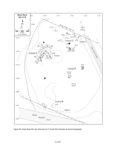
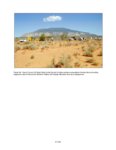
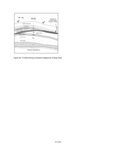
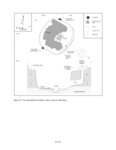
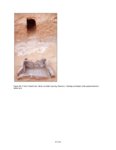
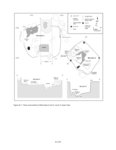
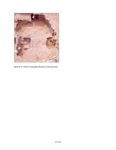
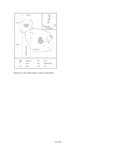
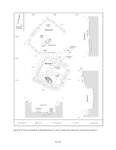
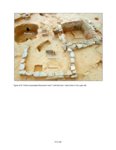
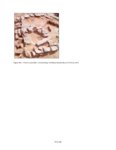
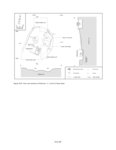
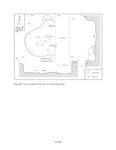
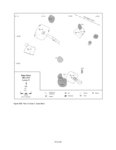
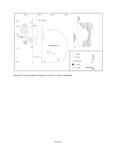
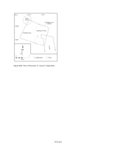
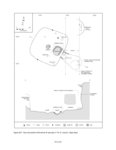
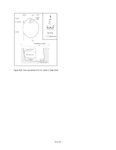
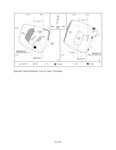
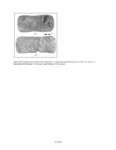
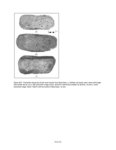
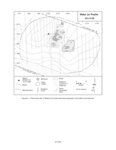
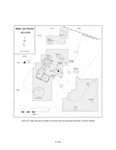
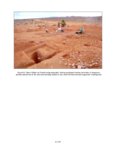
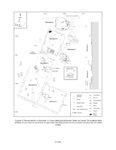
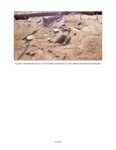
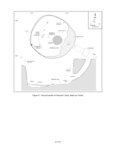
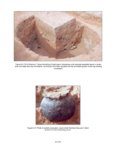
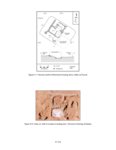
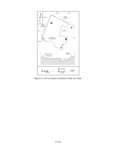
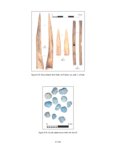
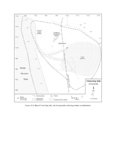
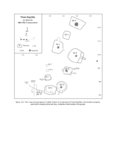
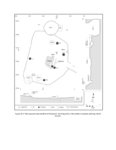
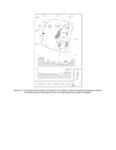
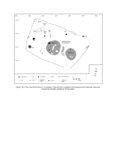
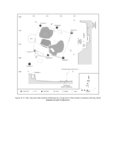
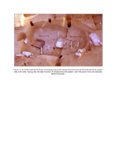
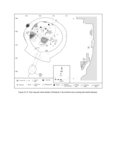
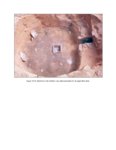
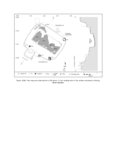
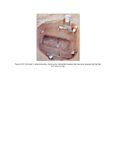
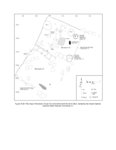
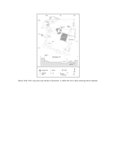
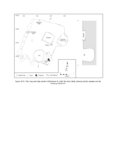
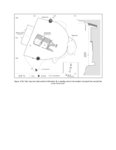
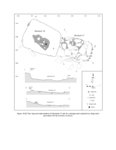
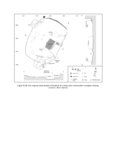
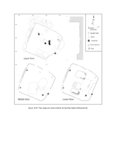
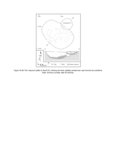
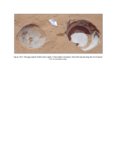
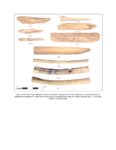
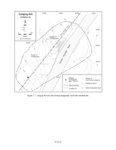
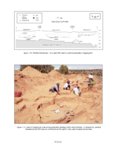
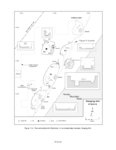
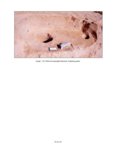
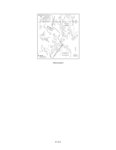
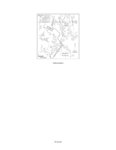
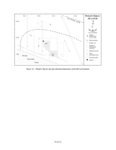
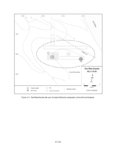
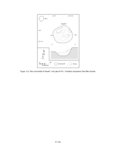
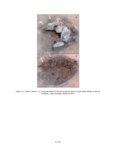
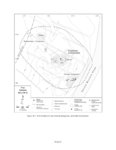
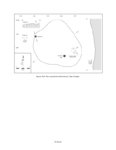
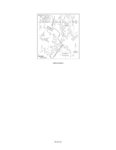
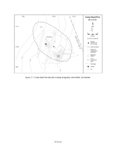
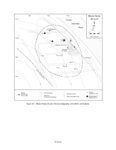
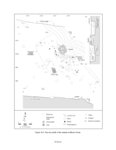
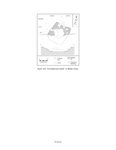
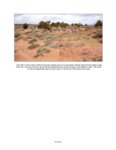
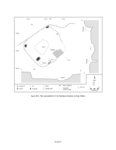
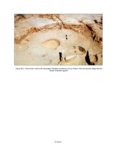
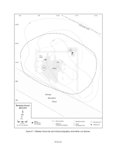
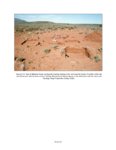
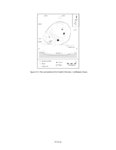
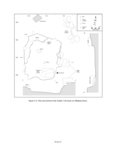
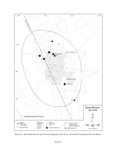
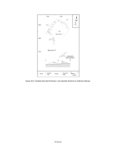
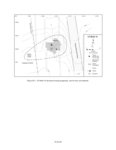
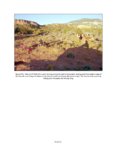
Show Chapter 10 THREE DOG SITE Kimberly Spurr and Phil R. Geib The extensive cultural remains at Three Dog Site (UT-B-63-39) document numerous episodes of occupation during more than 2000 years, beginning in the late Archaic period and extending into late Pueblo III times. The earliest use was by Archaic foragers who built a series of unlined hearths on a gravelly surface before the modern deep dune was deposited. Intermittent use of the location as the climbing dune accumulated resulted in additional Archaic hearths within the deep sand (see Chapter 14 of Volume II). Activity during the Basketmaker II period produced several small features associated with an activity area, in addition to probable structures that were destroyed by road construction in the 1970s (see Chapter 12 of Volume III). After a hiatus of nearly a century, the dune was reoccupied during the middle Pueblo III period by groups that built two household units, each consisting of one or two shallow living rooms and a mealing room centered around a kiva. After perhaps less than one decade the architecture was remodeled to produce a more formalized pueblo with a series of connected, semisubterranean and surface rooms of masonry and jacal. The final layout retained two architectural units with mealing rooms and courtyards, but only one kiva. Additional room alignments extended perpendicular to the core room block, producing bounded space around the large kiva and northern courtyard. The southern court-yard was apparently enclosed on only two sides. Each courtyard was associated with mealing and storage rooms in addition to living rooms. Given the brief temporal interval and similarity in layout between the earlier and later architectural units, and the continued use of the large kiva (Structure 5), there is little doubt that the final site residents were the descendants and perhaps even some of the same individuals from the initial Puebloan occupation. The middle Pueblo III component is described first in this chapter, followed by the late Pueblo III component. Three Dog Site was one of the most complex sites excavated during the N16 project. Despite its relatively small areal extent, the site produced significant cultural remains from at least eight distinct episodes of use, spanning more than two millennia. Our moniker for this rich site came from the three friendly local canines that made regular visits, one on a daily basis, and became quite comfortable as the crew mascots and excess lunch consumers (Figure 10.1). LOCATION AND SETTING Three Dog Site occupied a deep dune ridge about halfway up the north slope of a small valley at the base of Navajo Mountain. The valley is defined by flat-topped ridges that slope to the east from the foot of Navajo Mountain, the dissected remains of a broad pediment formed of Pleistocene gravels and boulders stabilized by calcified sand deposits. Talus eroded from Navajo Mountain caps virtually the entire dissected pediment around the foot of the mountain and drapes the slopes and drainages. On top of the ridges the calcified gravel and boulder deposit is many meters thick, and the road cut northeast of Three Dog Site shows the layer to be up to 4 m thick locally. The cobble-covered ridges support blackbrush and sparse pinyon and juniper trees but are poorly suited to living and entirely useless for farming. The bottoms of the small intervening valleys, however, are typically filled with eolian sand or Holocene alluvium mixed with eolian sand, and offer much more appealing living areas. Accumulations of eolian sand form falling dunes on the south sides of the valleys, which extend from the north crest of the ridges toward the valley bot-toms. Climbing dunes occur on the north sides of valleys but generally do not reach the crest of the flat-topped ridges. It is just this sort of dune on the north side of a valley that underlies Three Dog Site. Extensive climbing dunes to the southwest and west of the site, dissected by small washes strewn with boulders and cobbles that have eroded from the tops of the ridges, have been disturbed by construction of the Navajo Mountain chapter house sewer lagoon. The valley bottom south of Three Dog Site was once filled with recent alluvium, much of which has been flushed out during the last century of arroyo cutting. The stream channel currently exposes the underlying Pleistocene gravels or Kayenta Formation bedrock along most of its course. Water flows |