| OCR Text |
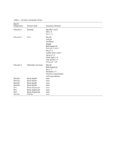
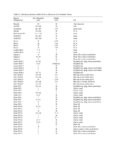
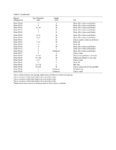
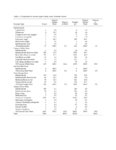
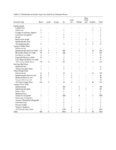
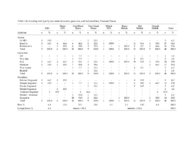
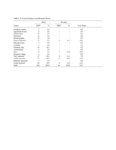
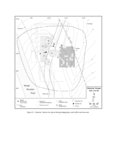
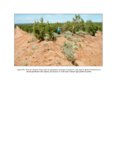
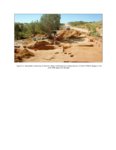
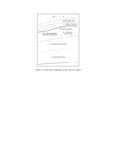
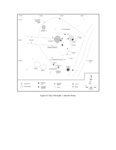
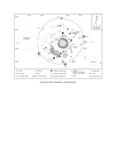
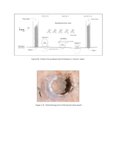
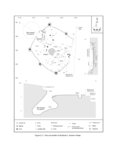
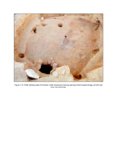
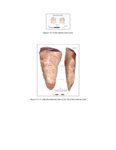
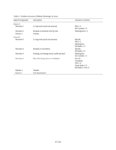
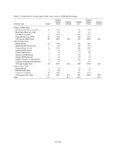
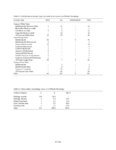
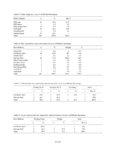
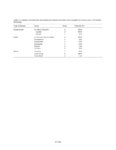
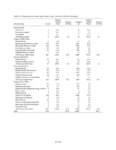
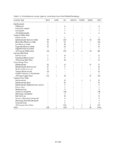
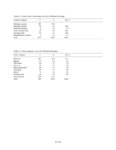
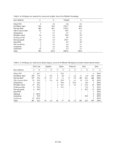
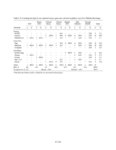
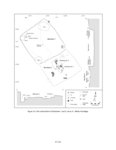
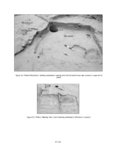
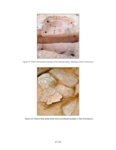
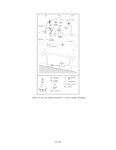
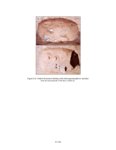
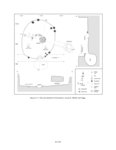
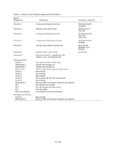
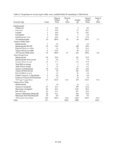
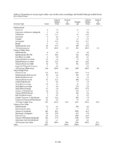
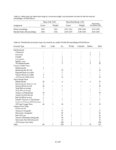
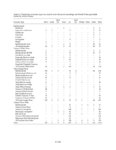
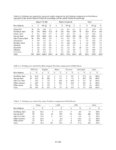
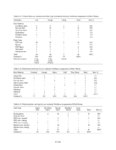
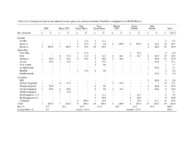
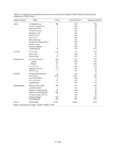
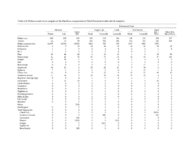
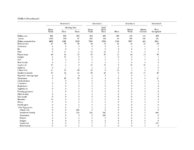
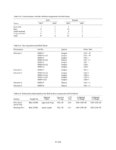
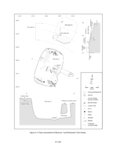
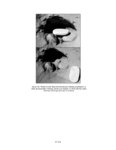
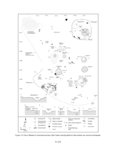
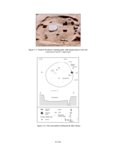
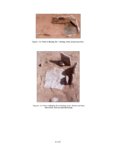
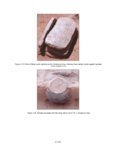
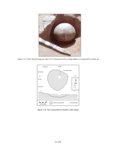
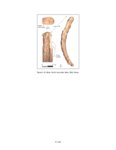
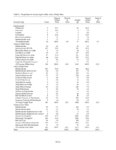
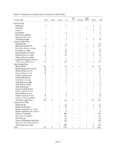
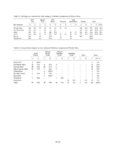
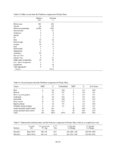
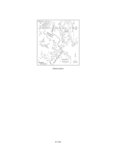
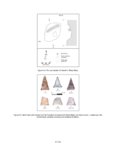
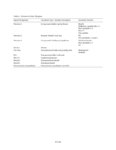
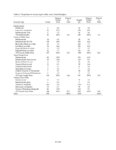
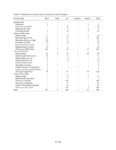
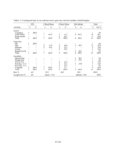
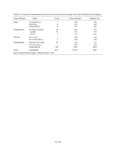
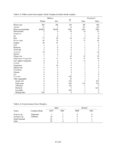
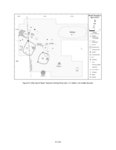
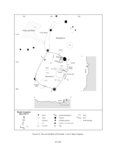
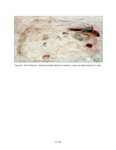
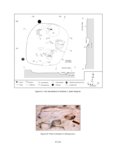
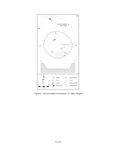
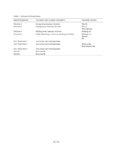
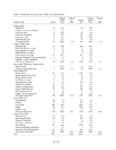
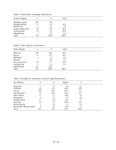
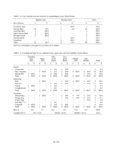
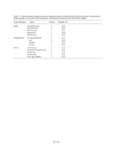
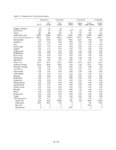
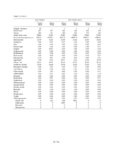
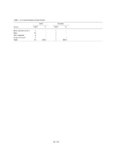
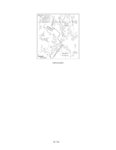
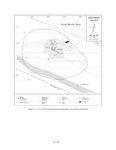
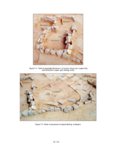
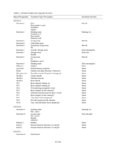
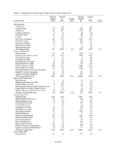
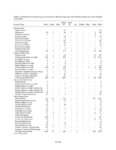
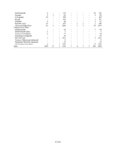
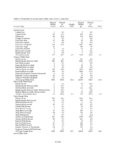
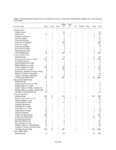
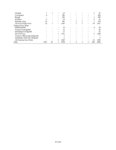
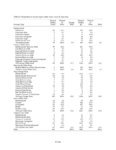
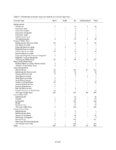
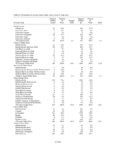
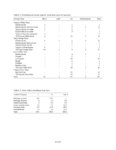
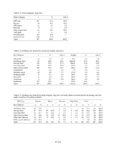
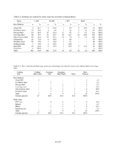
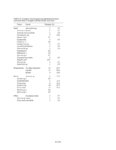
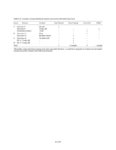
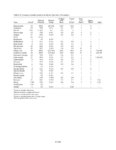
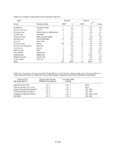
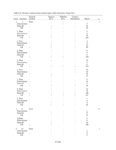
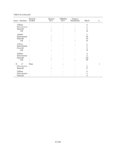
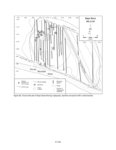
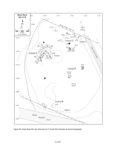
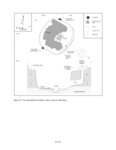
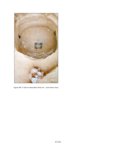
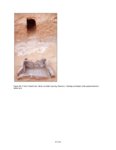
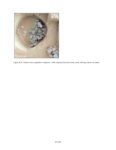
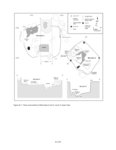
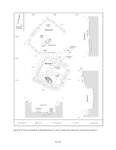
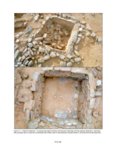
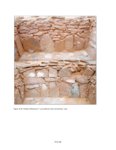
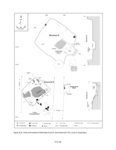
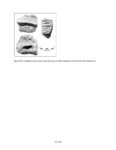
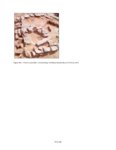
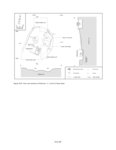
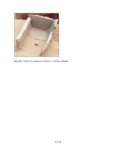
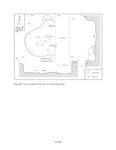
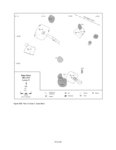
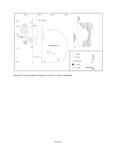
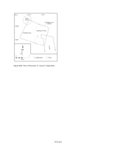
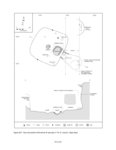
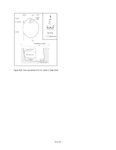
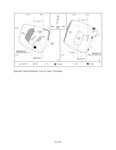
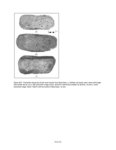
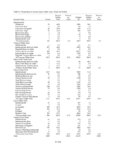
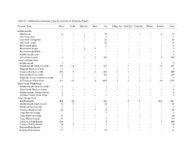
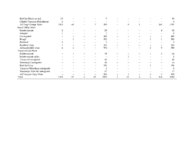
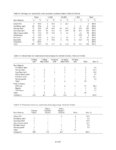
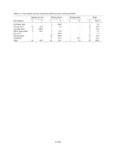
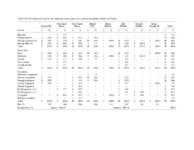
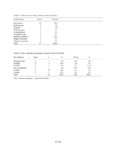
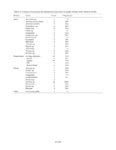
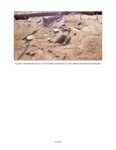
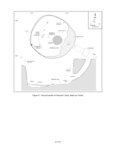
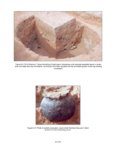
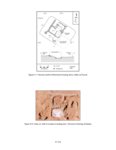
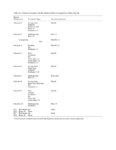
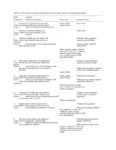
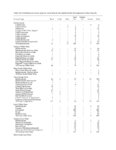
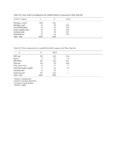
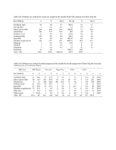
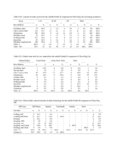
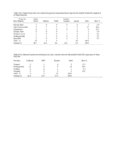
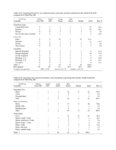
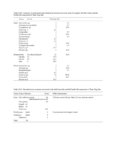
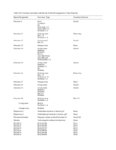
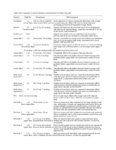
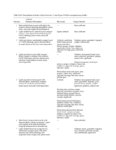
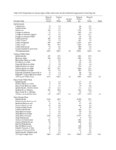
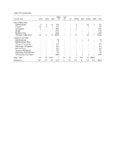
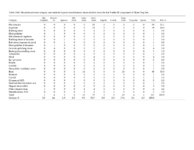
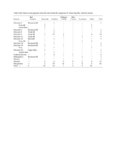
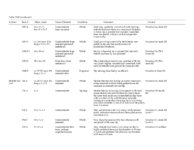
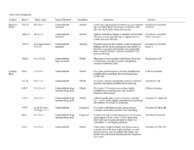
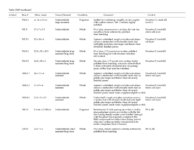
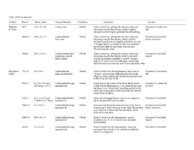
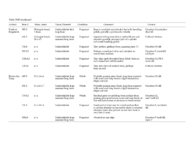
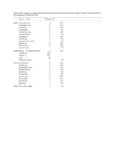
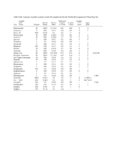
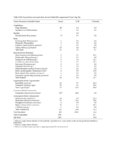
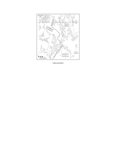
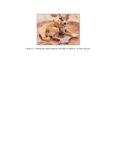
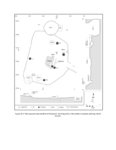
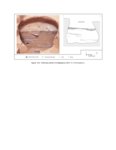
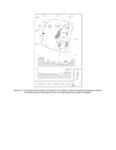
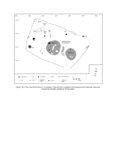
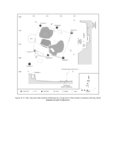
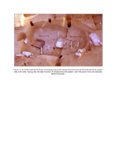
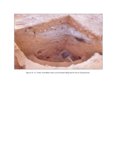
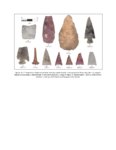
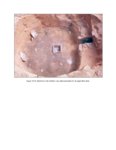
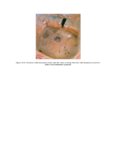
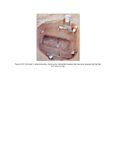
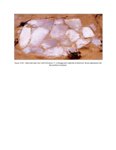
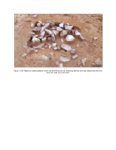
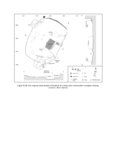
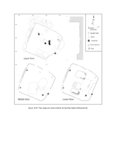
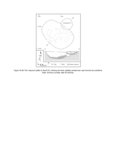
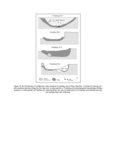
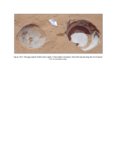
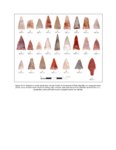
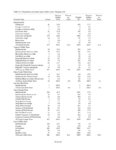
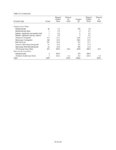
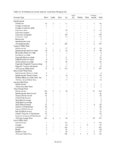
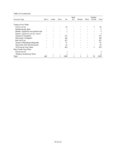
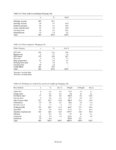
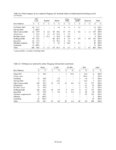
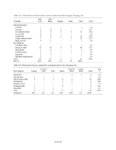
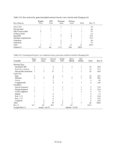
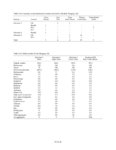
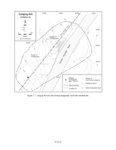
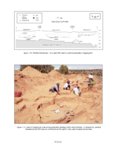
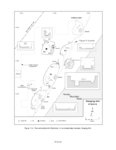
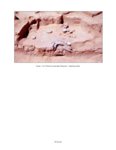
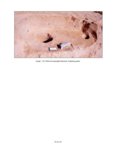
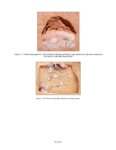
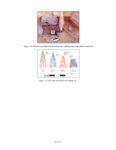
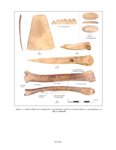
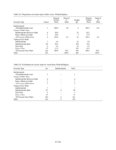
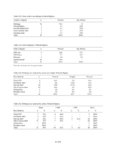
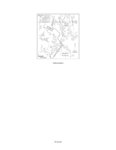
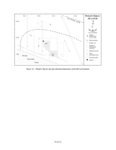
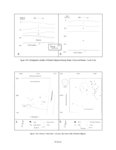
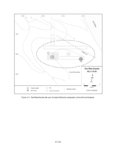
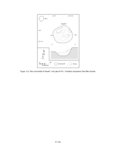
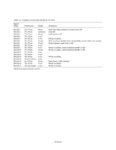
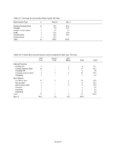
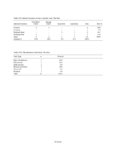
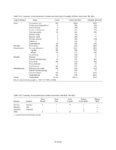
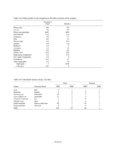
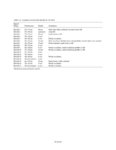
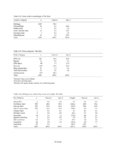
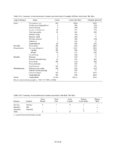
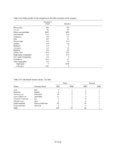
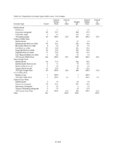
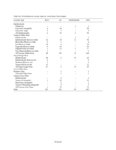
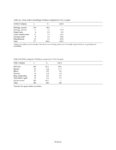
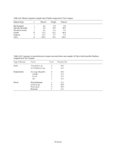
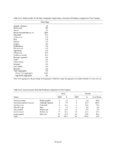
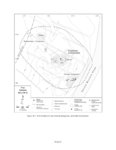
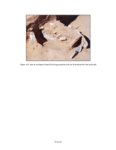
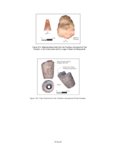
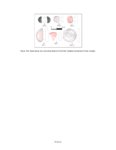
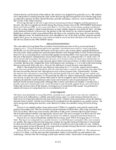
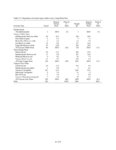
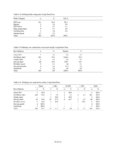
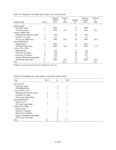
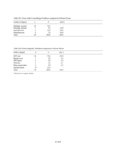
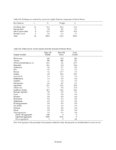
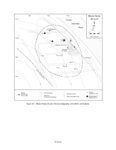
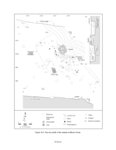
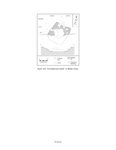
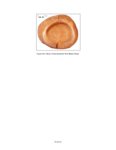
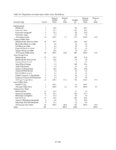
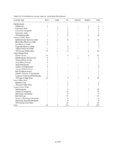
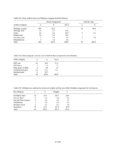
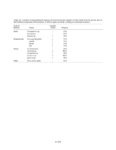
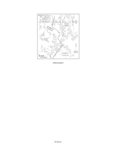
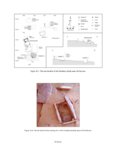
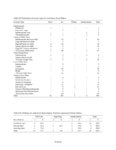
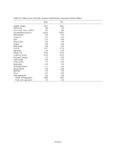
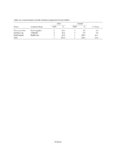
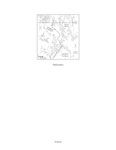
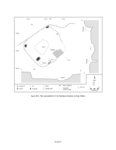
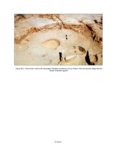
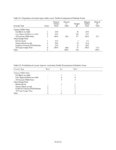
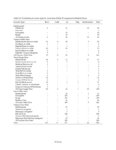
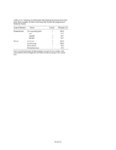
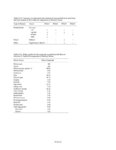
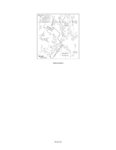
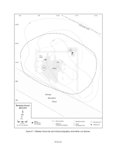
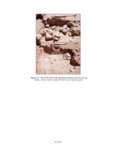
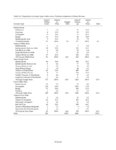
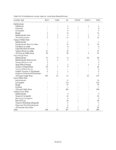
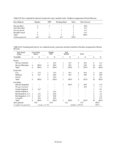
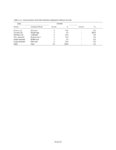
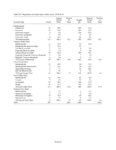
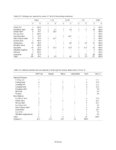
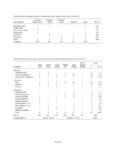
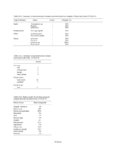
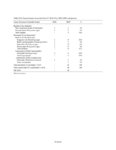
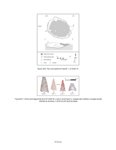
Show charcoal-blackened sand. Additional chunks of burned limestone and sandstone extended southeast from the roasting pit, nearly spilling into Hearth 1. Fill from the roasting pit and the extramural surface around the feature was analyzed for macrobotanical remains. These two samples produced largely similar results, although the activity surface sample had a greater diversity and quantity of remains. Both samples contained goosefoot seeds, maize, and pinecone scales. The sample from the surface had an abundance of pinyon nutshells (n = 212) and pinecone scales (n = 254) that are likely also pinyon. One possible reason for the numerous cone scales and nutshells is that the roasting pit was used to process nuts, either to heat open green cones or to parch the nuts, or both. Given the evidence for heavy charcoal staining extending between Roasting Pit 1 and Hearth 1, a plausible scenario is that green cones were heated open in the roasting pit and then the cones were removed to cool on the southeast side of the feature. Next the nuts were freed from the cones and parched, using coals generated in Hearth 1. Finally the parched nuts were shelled using the basin metates lying in and around Pit 3. Other plants could have been processed in and around Roasting Pit 1 as well, or the other macrobotanical remains in the flotation samples may have been charred incidentally. Artifacts recovered from the roasting pit fill included six sherds (two Flagstaff Black-on-white, two indeterminate Tsegi Orange Ware, one Tusayan Black-on-red, and one Tusayan/Moenkopi Corrugated intergrade), 14 flakes, and 9 stone tools (see Table 4.2). A worked jar sherd of Flagstaff Black-on-white lay northwest of the roasting pit; one edge has a ground bevel with the temper sand grains planed off from use against a hard surface (furrows and facets can be seen in the grains). A slightly depressed area, measuring 60 x 80 cm, extended from the southern edge of the roasting pit. The area was sunk about 5 cm below the neighboring extramural surface and contained a cluster of 14 sherds and a one-hand mano that also served as a hammerstone and an anvil stone. Two short upright slabs, measuring only 5 cm in height, defined the southeast corner of the depressed area. It was possible that a mealing bin, since dismantled, once occupied the area. Pit 1. Pit 1 lay along the south-central edge of the Extramural Area, with Hearth 1 and Pit 3 to the north (see Figure 4.10). Pit 1 was an indistinct depression excavated into the loose ashy extramural surface. It contained a whole Kiet Siel Gray pitcher standing 14 cm high with a maximum diameter of 16.75 cm (Figure 4.16 and see Chapter 2 of Volume V). The pit conformed to the pitcher and appears to have been a stabilizing depression to ensure that the vessel stood. The pitcher was filled with tan sand tinged gray with ash, similar to the sediment comprising the extramural surface. No artifacts were recovered from the vessel fill. Stone artifacts provenienced to the extramural surface surrounding Pit 1 are listed in Table 4.2. Two pollen samples associated with the vessel were analyzed: a wash of the vessel interior and a control sample from the lower fill of the vessel. Both samples produced 200-grain counts, and both had generally comparable distributions of taxa, with overall counts higher in the control sample. Pinyon, high-spine Compositae, and Cheno-Am pollen were most abundant in the wash sample, whereas sagebrush, pinyon, high-spine Compositae, and Cheno-Am pollen dominated the control sample. Notably, trace amounts of Polemoniaceae and prickly pear were present in the wash sample, whereas trace amounts of buckwheat and maize were noted in the control sample. The maize pollen was particularly noteworthy given its generally marked absence from the Ditch House pollen samples; only 2 of the 32 pollen samples analyzed from the site contained maize pollen. The other analyzed sample noted for maize pollen was collected from beneath a flat-lying slab in the Extramural Area, located only 75 cm north of the grayware pitcher. As noted, two pollen samples around Pit 1 were analyzed: a sample from under a slab to the north and one from under a slab to the west. The west slab sample was sterile, but a 200-grain count was obtained from the north slab sample. This sample was dominated by pinyon and pine pollen, with aggregates of pinyon, grass, and wild rose also present. As previously mentioned, a trace amount of corn pollen was also identified in the sample. Pit 2. Pit 2 was situated in the southwestern portion of the Extramural Area, less than 10 cm north of the southern edge of the ramada cut and nearly abutting the southern wall of Mealing Bin 1 (see Figure 4.10). The pit was a shallow, circular depression, 27 cm in diameter and 7 cm deep, which held two whole vessels (Figure 4.17, and see Chapter 2 of Volume V). The two vessels were placed upside-down in nested fashion-a ladle within a jar. The ladle, with handle missing, is Tsegi Black-on-orange; the jar is plain Tsegi Orange. The ladle rim measures 11.5 cm in diameter and 6.25 cm in height. The jar is 25 cm high, with a maximum diameter of 30 cm. The jar rim is battered, suggesting that it was bumped or perhaps chipped when the contents were removed or added with something rigid, such as a ladle. Both the jar and ladle were filled with clean eolian sand; no artifacts were recovered from the fill. Pollen samples from each vessel were analyzed, with the samples consisting of interior washes compared IV.4.17 |