| OCR Text |
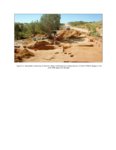
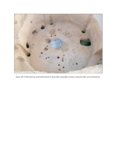
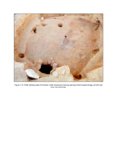
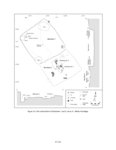
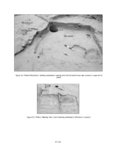
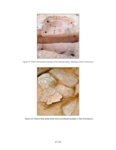
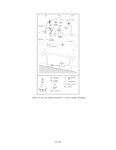
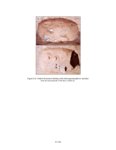
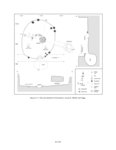
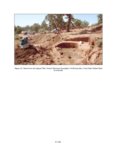
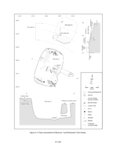
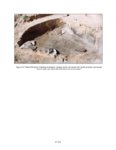
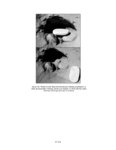
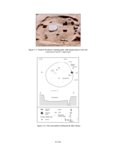
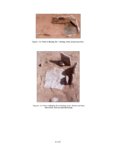
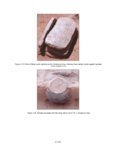
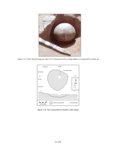
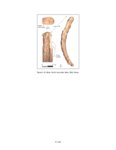
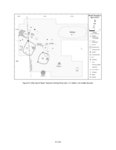
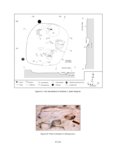
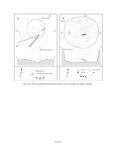
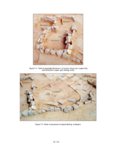
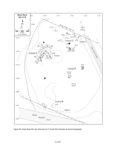
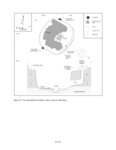
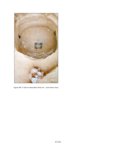
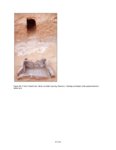
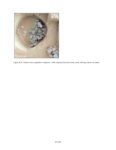
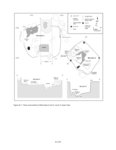
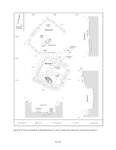
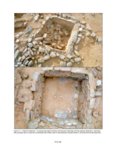
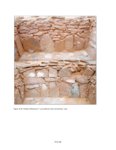
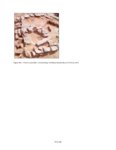
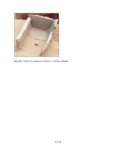
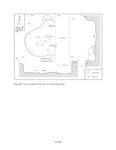
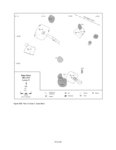
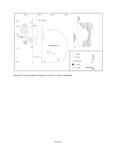
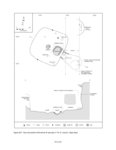
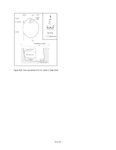
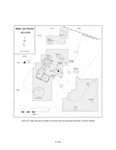
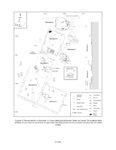
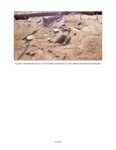
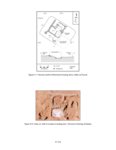
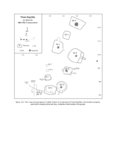
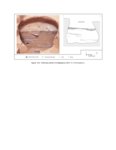
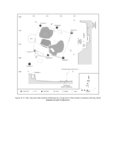
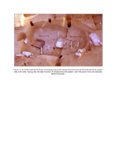
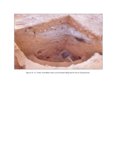
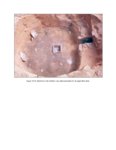
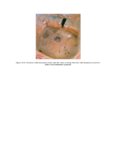
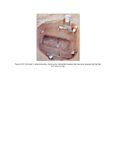
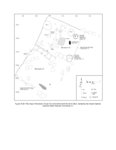
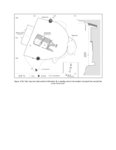
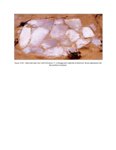
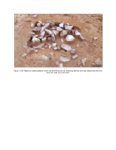
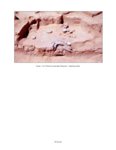
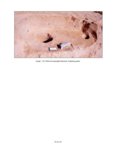
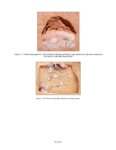
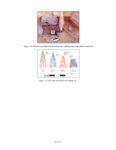
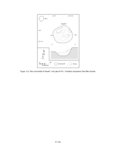
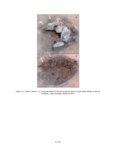
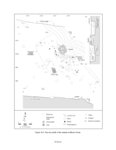
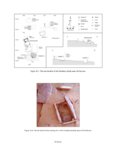
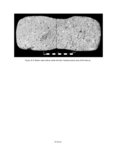
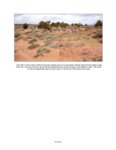
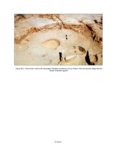
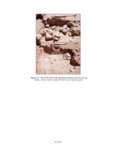
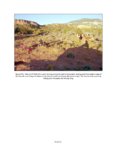
Show Posthole 1 was a unique feature at this site, a burned post surrounded by seven small upright sandstone pieces. The tabular stones were evidently set to help stabilize the post, which extended less than 15 cm below the ground surface. The post was set directly above a dismantled mealing bin within Structure 7, which was filled with sand after being torn down. The charred remains of the juniper post measured 10 cm in diameter, and the small slabs were set 2-3 cm away from the entire circumference of the post. The function of Posthole 1 remains unknown, as the only other burned posts found in the vicinity were within Structure 6, a living room associated with the middle Pueblo III occupation. Another posthole was situated 2 m to the south but the post had been removed from that socket. All other burned architectural elements at the site were associated with the earlier Puebloan residents, but there was no obvious way to relate Posthole 1 to any of the earlier features in the southern part of the site. Posthole 2 was located south of Structure 20 in a possible activity area, near extramural Pits 11 and 12. Posthole 2 measured 25 cm in diameter and extended 45 cm below the ground. The post had been removed from the socket, which was filled with charcoal-flecked sediment similar to the surrounding cultural stratum. The relationship of the post to the pits and to the nearby structures was unclear, but the position of the feature near the upper boundary of the cultural stratum suggested that it was a late addition. Other Extramural Features An extramural mealing bin was found in the narrow space between Structures 13 and 14. This feature was evidently dismantled along with the room block, since only two upright slabs and a few patches of red clay remained in situ. Clay still adhered to one of the upright slabs and also formed a sloped surface within the bin that once held a metate. The metate rest sloped to the southeast, so the user would have knelt between the walls of Structures 13 and 14, facing the northern courtyard and the kiva. The bin measured approximately 50 x 30 cm, similar in size to interior bins at the site. Surrounding the slabs was lightly charcoal stained sand that contained a hammerstone, a mano fragment, and a small shaped sphere of blue sandstone. It seemed highly un-likely that a mealing bin would be useful in an outdoor setting, given the intended function of producing very fine meal that would be prone to wind dispersal. It is therefore likely that an jacal or brush wall extended between the back corners of Structures 13 and 14 to enclose the narrow space between them. The resulting rectangular nook might have been roofed as well, but no good evidence was found for either a wall or a roof, largely due to the disassembly of the room block. A concentration of turkey bones was found just southeast of Structure 13, along the edge of the northern courtyard. The concentration included only long bones: the tibia and fibula of both legs, the left femora, and the right wing (humerus, radius, and ulna). The bones did not seem to be within a pit, but they were surrounded by Stratum II, the Puebloan cultural layer. This area was slightly deflated, so a shallow pit may once have been present. It remains unknown whether this feature represented a formal burial, but given the elements present it seems more likely that the bones were selected and saved for some specific purpose such as bead or whistle manufacture. A small but dense concentration of eggshell, presumably turkey, occurred at the east edge of the southern courtyard, south of Structure 16. The shell fragments covered an area 33 x 26 cm and occurred as a lens nearly 7 cm thick along the lower boundary of Stratum II. A mano blank fragment was found above a portion of the eggshell concentration. This concentration could represent an egg clutch, similar to that found at Neskahi Village (Hobler 1964:220), but one that got flattened by activity in the courtyard. Late Pueblo III Trash Deposits Trash deposits provide one of the best sources of information about prehistoric subsistence, technology, economy, and exchange systems. Midden deposits are typically a main focus of excavation at habitation sites to obtain a large sample of artifacts for comparative analysis. Unfortunately, the midden at Three Dog Site lay mostly outside of the N16 ROW and so was not available for investigation. Even if the midden had been within the project area, it contained trash deposited during the entire Puebloan occupation of the site, as well as artifacts eroded downslope from the Basketmaker II and Archaic activity areas higher on the dune, and so would have produced an assemblage that could not be easily interpreted. For these reasons, data recovery involved excavation of only a small sample of the midden, mainly along the northwest edge of the deposit. Far more important for interpretive and temporal assignments were trash deposits encountered elsewhere, particularly within abandoned structures and storage features. Most of the structures associated with the middle Pueblo III occupancy were dismantled before or during construction of the masonry room block. Several of these structural basins were used for refuse disposal by the late Pueblo III residents, resulting in small, discrete, relatively protected deposits that produced a variety of artifacts and samples. In particular, trash deposits of Structures 9 and 11 |