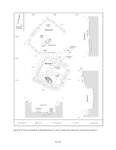
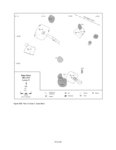
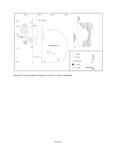
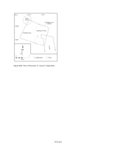
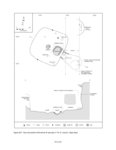
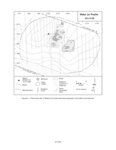
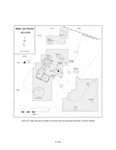
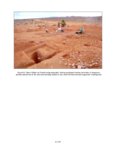
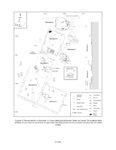
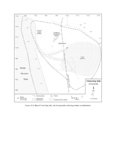
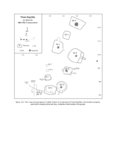
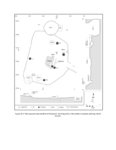
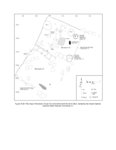
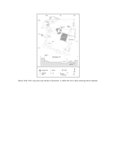
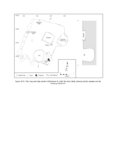
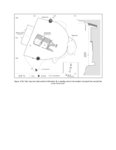
| OCR Text |
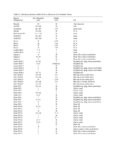
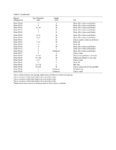
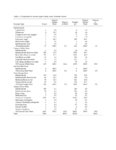
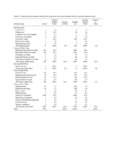
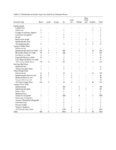
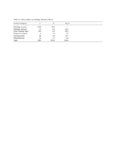
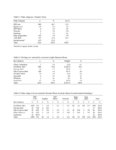
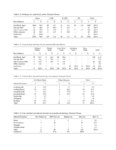
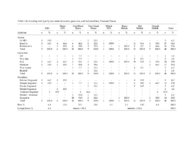
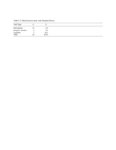
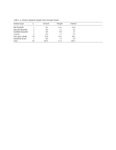
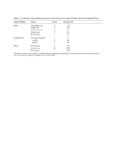
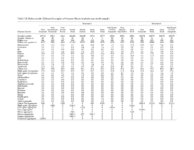
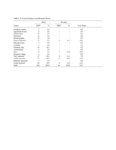
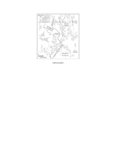
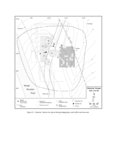
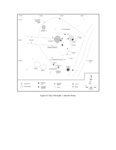
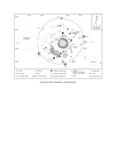
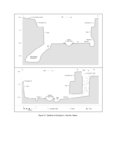
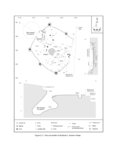
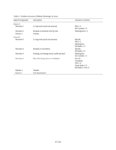
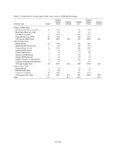
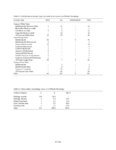
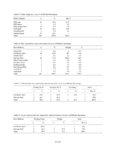
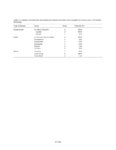
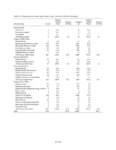
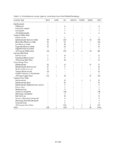
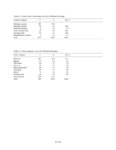
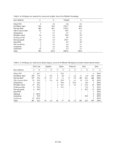
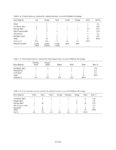
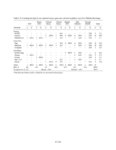
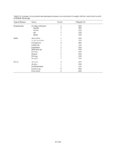
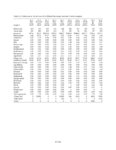
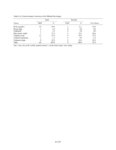
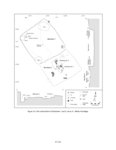
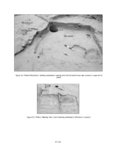
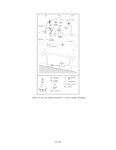
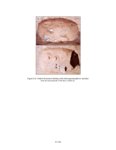
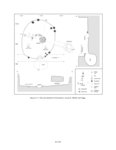
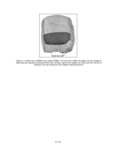
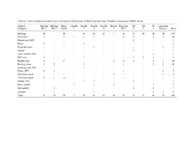
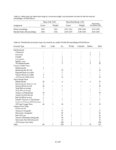
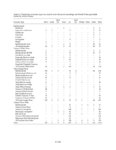
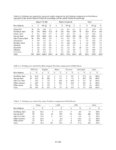
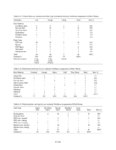
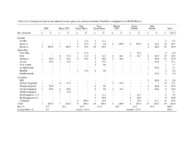
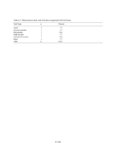
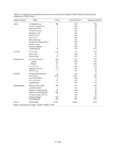
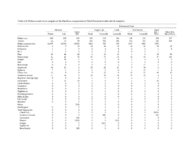
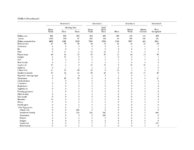
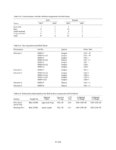
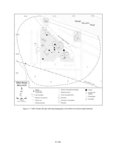
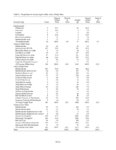
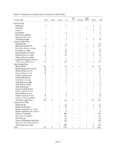
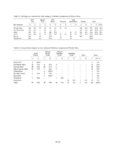
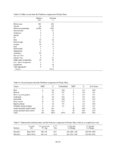
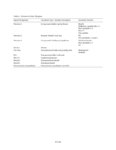
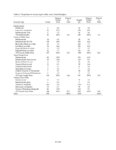
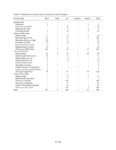
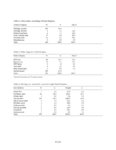
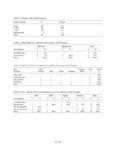
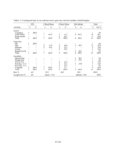
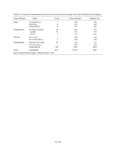
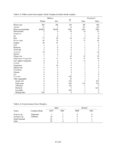
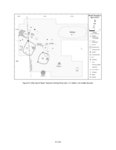
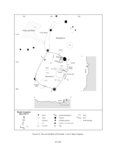
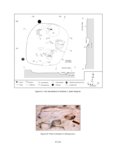
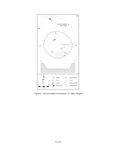
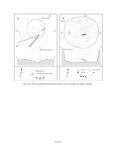
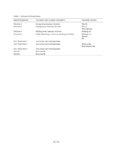
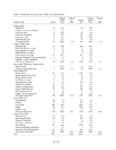
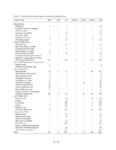
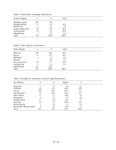
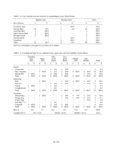
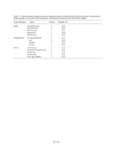
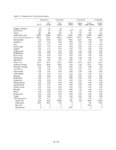
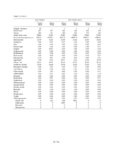
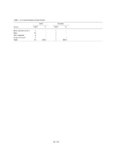
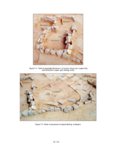
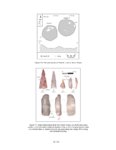
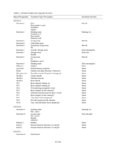
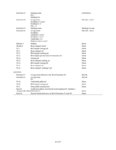
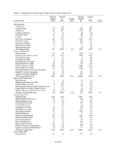
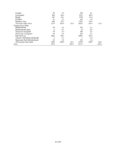
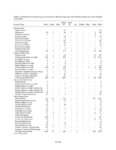
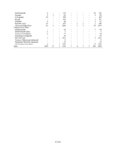
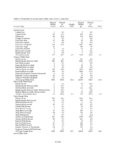
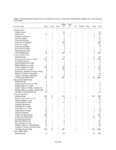
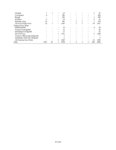
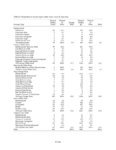
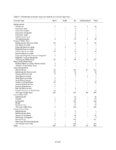
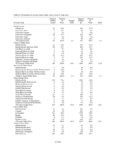
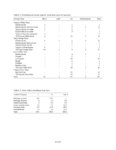
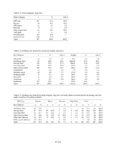
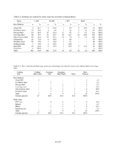
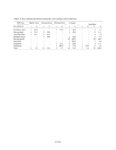
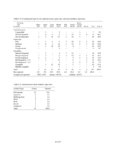
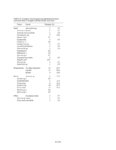
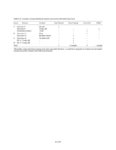
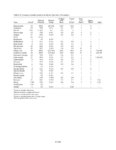
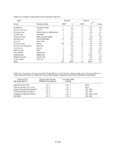
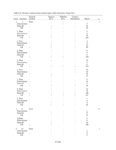
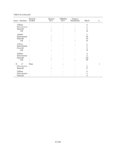
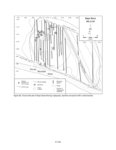
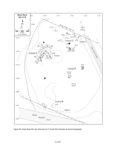
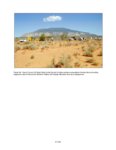
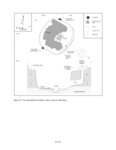
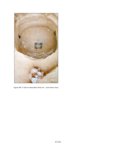
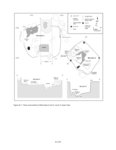
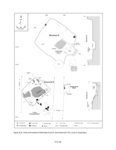
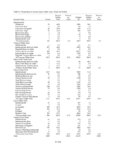
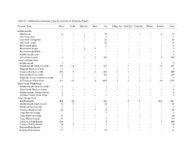
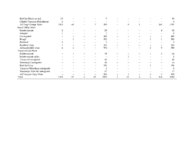
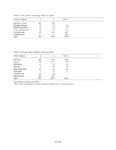
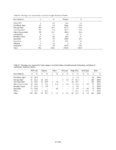
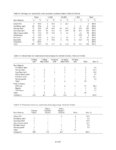
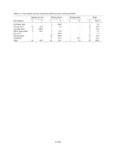
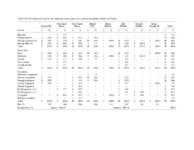
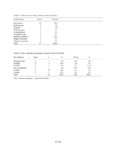
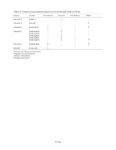
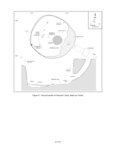
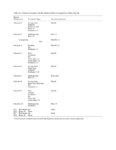
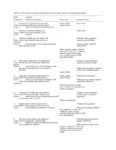
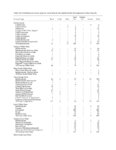
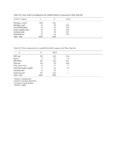
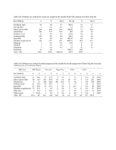
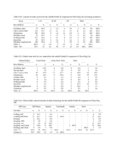
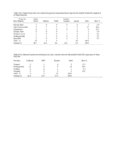
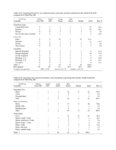
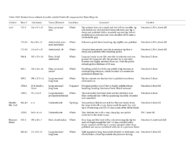
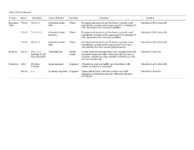
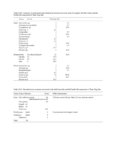
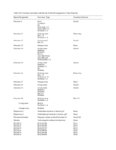
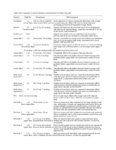
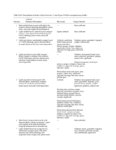
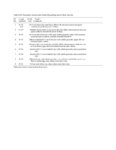
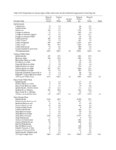
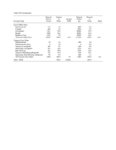
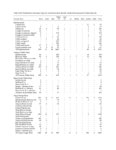
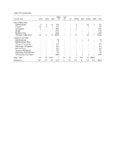
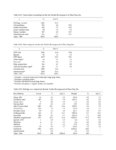
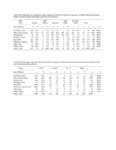
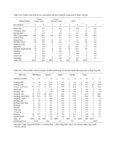
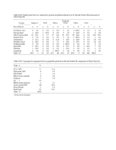
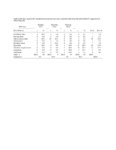
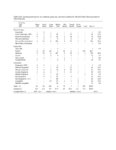
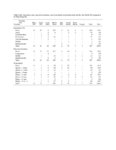
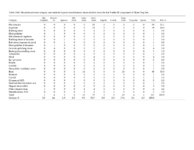
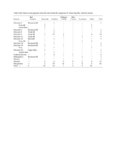
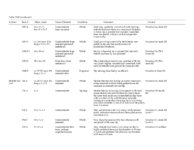
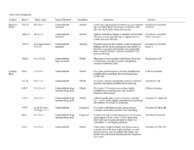
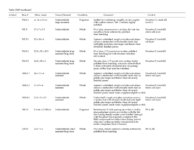
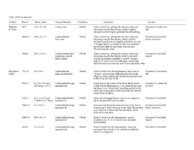
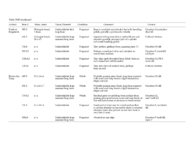
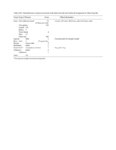
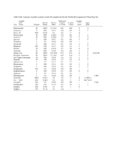
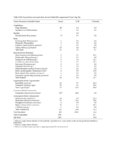
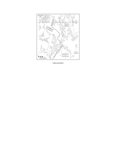
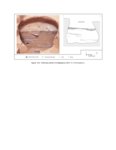
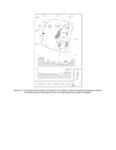
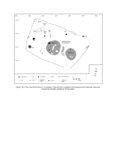
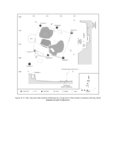
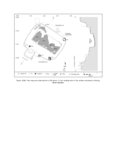
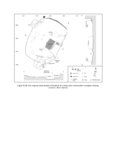
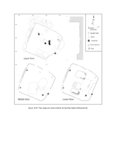
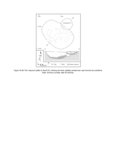
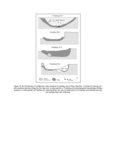
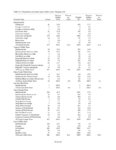
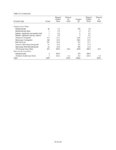
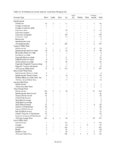
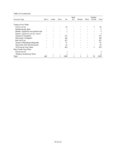
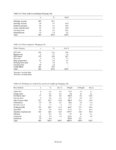
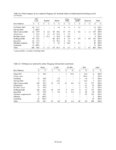
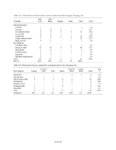
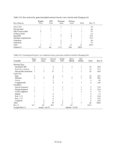
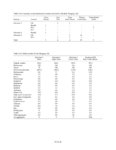
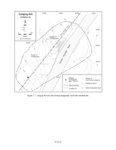
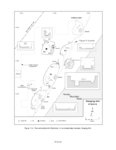
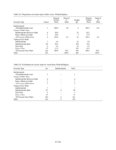
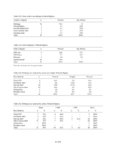
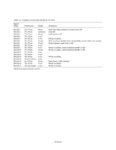
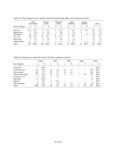
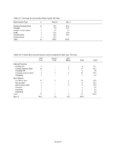
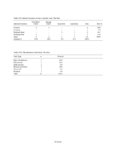
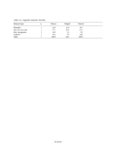
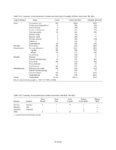
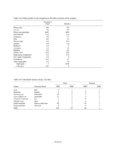
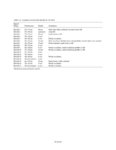
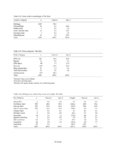
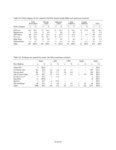
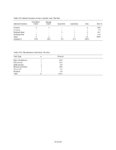
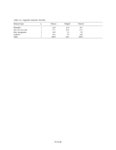
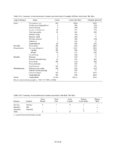
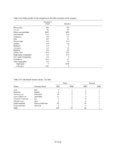
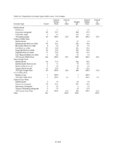
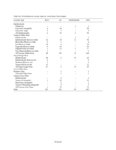
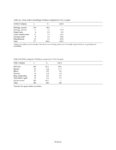
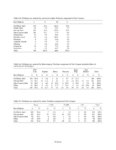
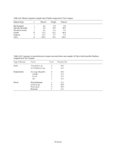
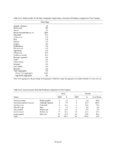
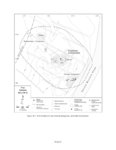
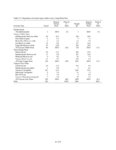
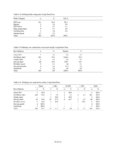
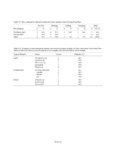
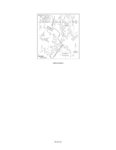
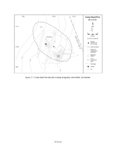
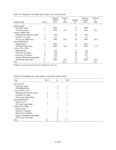
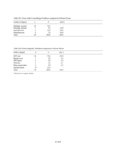
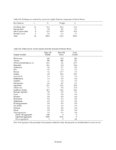
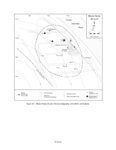
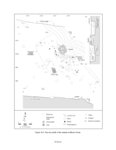
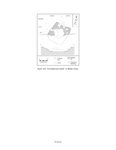
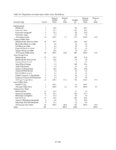
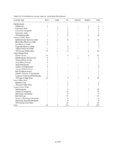
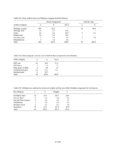
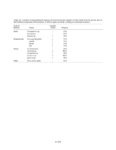
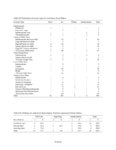
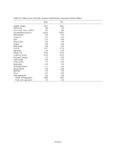
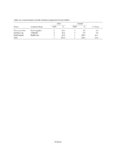
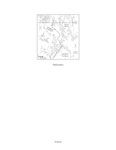
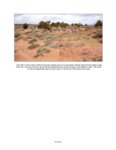
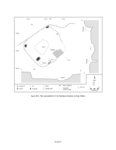
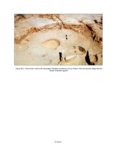
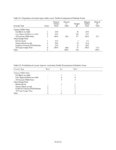
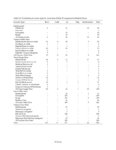
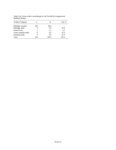
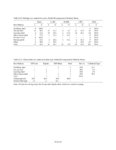
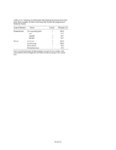
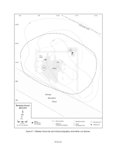
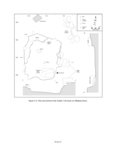
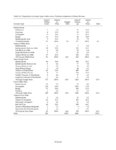
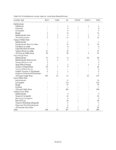
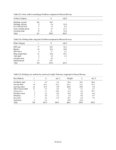
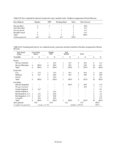
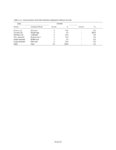
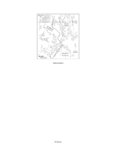
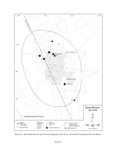
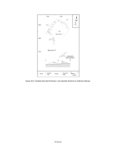
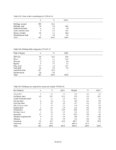
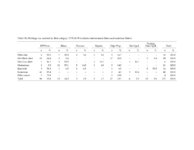
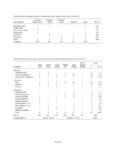
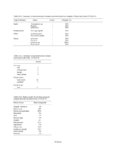
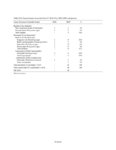
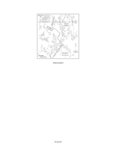
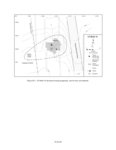
Show ratio of Tusayan Polychrome to Kayenta and Kiet Siel Polychrome. The interpretive logic behind these ratios is that they should be higher for a site occupied during the 1250s than one occupied during the 1270s; through time Kayenta Black-on-white should increase at the expense of Tusayan Black-on-white, and whiteline polychromes should increase at the expense of Tusayan Polychrome. The ratio of late whiteware types clearly differentiates Sapo Seco and the adjacent Water Jar Pueblo from several tree-ring dated pueblos on the Rainbow Plateau reported by Lindsay et al. (1968), which are thought to be some of the last occupied on the Rainbow Plateau and are characterized by construction in defendable positions on small mesas or outcrops. These settlements contained whole grinding tools and other usable artifacts; thus they fit the expected pattern of final area-wide abandonment. The whiteware ratios for Sapo Seco and Water Jar Pueblo are consistent with the excavation findings, which suggest that both sites were abandoned prior to the larger Tsegi phase pueblos. As a result, Sapo Seco was probably abandoned prior to around AD 1270. The polychrome ratio however reveals no clear pattern; it is difficult to know why this might be the case. Whiteline polychromes are temporally meaningful on a presence/absence basis, but evidently the proportion within an assemblage has no temporal significance; this might not be true elsewhere on the Colorado Plateau, but it appears to be the case for the Rainbow Plateau. Based on the foregoing, we conclude that Sapo Seco was occupied from about AD 1240 at the earliest to AD 1270 at the latest. Dean (1969:196) temporally restricted the Tsegi phase to the 50 years between AD 1250 and 1300 (also Colton 1939:55). Lindsay (1969:117) argued that by AD 1250 the phase was fully developed, but that AD 1240 was a more realistic beginning date for the phase in order to allow inclusion of the poorly documented transition. By Lindsay's reckoning, Sapo Seco is a Tsegi phase site, but one that likely corresponds primarily to the transitional interval and not the full development. Ceramically it appears that all loci of Sapo Seco were in use during the same general time, but the occupations may not have been exactly contemporaneous. Without tree-ring dates it is nearly impossible to differentiate between absolute and classificatory contemporaneity (see Dean 1969: 198); this is perhaps even truer for a phase that was so short lived. The filling of some structures with trash, as well as feature superimposition, leaves little doubt that not all structures were in use at the same time and perhaps not all loci either. In a search for temporal differences among structures, the presence/absence of certain key ceramic types is tabulated according to various contexts in Table 8.26. The total ceramic count for each context, also presented in this table, provides an important qualification as to the potential significance of a certain ceramic type being absent. For example, the lack of Kayenta Black-on-white or whiteline polychromes from the floor or floor features of Structure 2 of Locus A is likely meaningless because no sherds were found on the floor and only one came from floor features. The latest pottery types (Kayenta Black-on-white and whiteline polychromes) are almost invariably identified only when the sample size is more than 20 sherds from any single context. Perhaps the most interesting finding of this table is the absence of any Kayenta Black-on-white or whiteline polychrome from any of the floor, floor fill, or floor feature contexts of the structures outside of Locus A. Indeed, just a single sherd of whiteline polychrome came from other than Locus A-Locus B produced a Kayenta Polychrome sherd, but not from one of the structures. Kayenta Black-on-white occurred at Locus B, but not in the structures, and at Loci C and D, it occurred in structure fill. It is possible therefore, that Locus A was occupied later than the other loci. SUMMARY AND INTERPRETATION Sapo Seco was a late Pueblo III habitation site located on a slight rise within a broad, open flat of sagebrush and dune hummocks on the south-central portion of the Rainbow Plateau. Most of the site appears to have been situated within the proposed N16 right-of-way, sandwiched between the current Navajo Mountain road and a side road that accesses a well and windmill to the north. The site consisted of four loci (A-D) of structures, extramural features, and associated artifacts. The site had a total of 18 living or communal structures and 32 primary features (such as pits and hearths). Locus A was the main habitation area. It consisted of a small pueblo of surface and subsurface masonry and jacal rooms built in a semi-circle and centered on a kiva. The rooms, plus an jacal wall, defined a courtyard, which included the kiva. There were rooms for living, mealing, storage, and general activity. Attached to the south side of the pueblo was another living room with an associated small mealing room. Locus B, to the south of Locus A, had a mealing room, a living room with two burials in a wall chamber, and an Archaic hearth. Locus C, northeast and east of Locus A, was a loose configuration of a seasonally used structure (possibly a field house), two living rooms, two mealing rooms, and associated pits. Southeast of Locus A were two superimposed pit houses with an intrusive burial, a possible unfinished pit house, and two pits designated as Locus D. Locus A, the site nexus, was a permanent habitation area that saw several stages of construction and was probably home to one extended family. Excavation of the kiva, Structure 1, provides evidence for IV.8.52 |