| OCR Text |
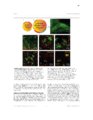
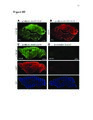
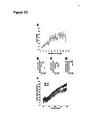
Show 89 terminal processes very well, even without additional protein targeting tags (Gee et al., 2014; Shigetomi et al., 2013). In cortical protoplasmic astrocytes, large signals can be observed in the fine bushy processes that are far too small to resolve individually with optical techniques and are unobservable with synthetic dye loading methods. Second, because the transgene was targeted to the PolR2a locus, the PC::G5-tdT line can be crossed to ROSA26-targeted reporter lines for the purpose of expressing reporter proteins in two cell types. In this way, mixed cell network dynamics may be monitored. An additional benefit of targeting to PolR2a is the high activity of the locus in microglia. ROSA26-based lines have not been reported to express reporter proteins in microglia. The PC::G5-tdT line is the first Cre-dependent GECI reporter mouse line that has been demonstrated to work well for microglia imaging (Gee et al., 2014). Because viral-based and synthetic dye bulk loading methods do not work in microglia, the PC::G5-tdT line has enabled the field to explore intracellular calcium dynamics without invasive procedures. In this thesis work, the PC::G5-tdT line was used to explore alterations in calcium dynamics in the LPS-induced peripheral inflammation model of reactive astrocytosis. Differences in the somas and fine processes of astrocytes were readily detected between controls and LPS-treated animals. It appears that, following LPS-injection, specific sources of calcium may be inactivated while others are left intact. Further work needs to be done to parse out which calcium sources are affected by LPS-induced inflammation, but this work has demonstrated that differences in intrinsic intracellular activity between the two states and in different compartments are readily detectable. By correlating the temporal and spatial pattern of these changes with changes in gene expression, intracellular pathway activity and neuronal activity, a more clear picture of reactive astrocyte behavior will likely emerge. Some of the specific calcium dependent mechanisms that could be explored are |