| OCR Text |
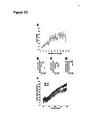
Show 82 is true, then different subpopulations of astrocytes may respond uniquely to different neurological insults suggesting that distinct astrocytic subtypes exist within the cortex. In the latter case, a temporal cross-section would reveal a variety of astrocytes in different stages of reactivity. To tease apart the two possibilities, calcium dynamics will need to be compared to protein expression profile data within each cell. Another limitation of this study is related to the type of preparation used. Acute brain slicing is traumatic to tissue and introduces many confounding variables such as cellular necrosis, release of cell death signals, such as ATP, into extracellular space, acute deafferentation of network inputs, altered oxygen levels, altered pH, altered intracranial pressure, cessation of blood flow and many other unphysiological artifacts. In order to overcome many of these drawbacks, in vivo experiments will be necessary. Nevertheless, acute brain slice preparations are valuable, relative to cell cultures, because they maintain local microanatomy and can be performed after progression of disease processes in vivo. Future work will be focused on pharmacologically determining the calcium sources and pathways which contribute to intrinsic activity in LPS-induced reactive astrocytosis. It is possible that neuronal action potential-dependent activity contributes to alterations in synapse-associated astrocytic process terminal activity. Neuronal activity will be monitored via field potential recordings and compared to simultaneous calcium dynamics in astrocytes. The combination of calcium imaging and electrophysiology will shed light on mixed-cell network dynamics. The observations reported here are simple but likely underlie important mechanisms of reactive astrocytosis which may be responsible for protecting the brain from neurological insults or for inducing chronic detrimental changes in network function. More detailed experiments focused on describing our observations will hopefully unveil the significance of changes in calcium dynamics and help identify |