| OCR Text |
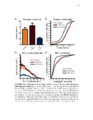
Show 81 several sources which differ between the somatic and process compartments. A recent study of ATP-evoked calcium activity in somata demonstrated that chronic exposure of cultured astrocytes to LPS resulted in augmentation of calcium response amplitude and duration. The altered response was the result of increased capacitive calcium entry, an extracellular calcium-dependent mechanism for endoplasmic reticulum calcium sequestration (Strokin et al., 2011). At the same time, baseline somatic calcium decreases, suggesting that in the acute phase of LPS-induced astrocytic reactivity, intracellular calcium stores increase their sequestration of calcium. This could be for the purpose of "saving up" calcium for future signaling or possibly for removing potentially toxic extracellular calcium. Following in vivo LPS-exposure, astrocytes display a heterogeneous response, with respect to GFAP expression levels, in which only sparse patches of astrocytes exhibit reactive changes at a particular time point (Zamanian et al., 2012). A limitation of this study was the inability to differentiate between healthy and reactive astrocytes in the LPSexposed brain. Astrocytes were identified by expression of tdTomato and no markers of reactivity were considered in the selection process. We observed a large range of intrinsic calcium event frequencies in each group which may reflect a mixed population of astrocytic states ranging from healthy to reactive within the same brain. Thus, it is likely that a subset of astrocytes included in this data set were not reactive. As a consequence, it is possible that differences in intrinsic calcium dynamics between LPS-reactive and healthy astrocytes were much more pronounced than what we have reported. Further work will be necessary in order to more precisely describe calcium dynamics in confirmed reactive astrocytes. It is possible that only a subset of astrocytes react to LPS-induced inflammation or that astrocytes undergo time-dependent functional changes at different rates. If the former case |