| OCR Text |
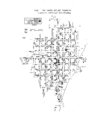
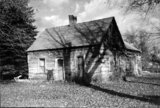
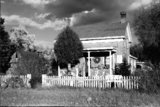
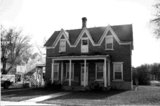
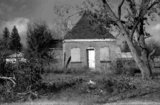
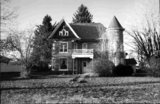
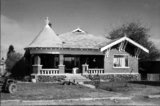
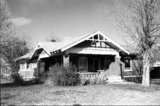
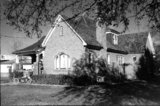
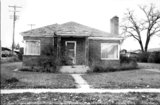
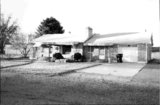
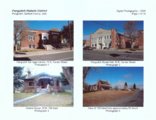
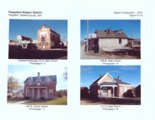
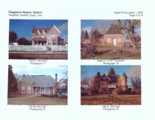
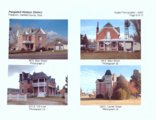
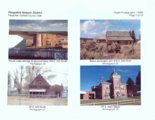
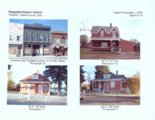
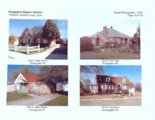
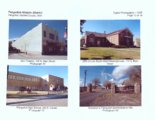
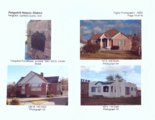
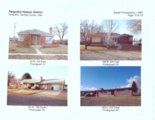
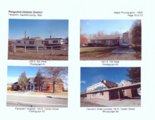
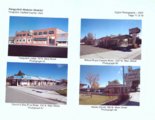
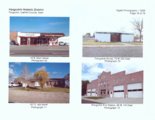
Show 0MB No. 10244018, NPS Form United States Department of the Interior National Park Service National Register of Historic Places Continuation Sheet Section No. 7 Page 2 Panguitch Historic District, Panguitch, Garfield County, UT total building counts): the Panguitch Carnegie Library (NR 1984-10-25) [Photograph 1]; the Panguitch Social Hall (NR 1998-11-12) [Photograph 2]; and the Owens, William T., Jr., and Mary Isabell R., House (NR 199903-25) [Photograph 3]. Survey Methods and Eligibility Requirements Classification of properties as contributing or non-contributing was based on the results of a selective Reconnaissance Level Survey (RLS) of Panguitch conducted in 2005 and a standard RLS conducted in 2006. The boundaries of the historic district were drawn to include the highest concentration of historic resources within the historic corridors and along the main transportation corridors. Each resource was evaluated for eligibility using the following guidelines and designations established by the Utah State Historic Preservation Office: A ~ Eligible/Significant: built within the historic period and retains integrity; excellent example of style or type; unaltered or only minor alterations or additions; individually eligible of National Register for architectural significance; also, buildings of known historical significance. B - Eligible: built within the historic period and retains integrity; good example of type or style, but not as well-preserved or well-executed as "A" buildings; more substantial alterations or additions than "A"; eligible for National Register as part of a potential historic district or primarily for historical, rather than architectural reasons. C Ineligible: built during the historic period but has had major alterations or additions; no longer retains integrity, [may still have important local significance]. D Out-of-period: constructed outside the historic period.2 Evaluations were based primarily on age and integrity. Current condition (or upkeep), appearance, aesthetics, and quality of construction were not determining factors in evaluation. Though a building will sometimes appear newer than it actually is because of intrusive alterations and additions, the surveyor attempted to discern the oldest portion of the building by looking for signs of greater age such as composition, massing, fenestration, foundation materials, chimneys and landscaping. Later window replacements and veneers were considered contributing, if the building was modified within the historic period.3 Boundary Description and Development Patterns The original Panguitch town site (circa 1864) is roughly rectangular in shape. Plats A and B consisted of sixty blocks arranged in seven tiers of seven blocks with an extra tier of four blocks at the north, end and two tiers 2 Standard Operating Procedures for Reconnaissance Level Surveys, Utah State Preservation Office (Revised September 2005). 3 A few residences with newer aluminum or vinyl siding were evaluated as contributing if the siding was the only nonhistoric alteration to an otherwise historic building, including retention of original windows and doors and other architectural features. |