| OCR Text |
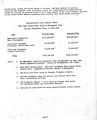
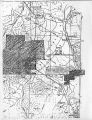
Show STRAWBERRY COLLECTION SYSTEM WILDLIFE MITIGATION HEARINGS A mitiaation plan for 13,052 acres of terrestrial wildlife habitat destroyed by the Str wberry Collection System (essentially, the Bonneville Unit) was aired at three public meetings (Duchesne, Orem and Salt Lake), February 6.th, 7th. and Sth 1979 The Plan developed by DWR, the Fish and Wildlife Service, the ? rest Serv ce, Ind the BureaS of Reclamation (BuRec) biologists, calls for• purchasing 14,003 acres of private lands over an extended period of time These Und would be managed primarily for wildlife with other uses allowed that the acauired lands, thus compensating for wildlife lost. Nevertneiess, spoKes, men admUted that all losses could not be replaced. Sagegrouse beaver and moSse would sustain a loss, while there would be a net gain of deer, elk and forest grouse. One qlaring dissappointment of these three meetings was their focus on personal property rights rather than wildlife concerns. Very few specif cs of the olan were discussed. Instead, the question/answer period was monopolized by land owners express ng fears of condemnation. This is curious in light of statements made by plan foLlators, that almost all land would be bought from willing sellers The overwhelming majority of people ostensively opposed the mitigation p U n However, BuRec never clarified that wildlife mitigation as mandatory Sot discretionary. The plan would cost more than funds current y aoDrooHated for mitigation. Although mitigation costs are non-reimbursable, Sirinnal expenses would raise costs of an already overspent project. Furthermore Ms plan s mere y a recommendation to BuRec. Based on public input and an eSv?ronmentaP statement assessing biological, social and economic factors, the BuRec will decide on the type and amount of wildlife mitigation undertaken. h e a r i n g ^ t h e T t ^ ^ to cluse significant Impacts (socio-economic and physical damage to the environment) and was therefore not being considered. Instead of wildlife mitigation being an integral part of CUP, as required by the National Environmental Policy Act, the plan appears to be written almost *l an afterthought Wildlife losses and mitigation costs logically (and legally} should be included in the Environmental Statement and benefit-cost ratio. Total rofct co t should have been revealed before decisions w f e made and resourc irretrievably committed, We have yet to see the costs - in both fisheries losses anode lars * of stream impacts and mitigation, And all of this in light of a Sater Policy Act which specifies that mitigation must be done concurrently with constuction. Joelle Reece pige 10 |