| OCR Text |
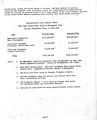
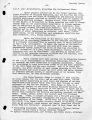
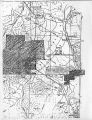
Show -3- That would provide a reduction of 372,000af in projected "need" in the year 2020. The 1972 projections are even lower. Third, the Soil Conservation Service stated that available programs for increasing efficiency in the Sevier Basin by 10$ would yield 78,000 af of savings. Fourth, Utah State Water Pollution law requires that all waters in the Bonneville Basin must be class C by 1978. That means advanced wastewater treatment will be required and will make available at least 110,000 af of municipal quality water in Salt Lake City alone (according to the EPA). Fifth, the Great Basin Study does not seem to have considered water salvage from the proposed diking on Utah Lake. That would add 105,000 af to the in-basin supply. In summary, our analysis indicate* the following: Predictions of surplus yr. 2020 (Great Basin Comprehensive Study) -- 785,000 a f Conversion of 229,000 acres of irrigated lands 956,000 Correction for population overestimate 372,000 10fo increase in Sevier Basin efficiency 78,000 Recycling of water in Salt Lake City 110,000 Water salvage on Utah Lake 105,000 Total predicted surplus (2020) zz^Z' 2,^-06,000 Needed to maintain the Great Salt Lake -1,800,000 Net Surplus (year 2020) 606,000 a f Obviously, ample supply exists in the Bonneville Basin to meet all anticipated meeds in the foreseeable future. It would not even be necessary to take all of the actions shown above, especially the diking of Utah Lake. B.) Impacts on Utah Lake Although considerable discussion is devoted to this problem, certain aspects should be amplified. The effects of diking Provo and Goshen Bays and operating Utah Lake mainly as a fluctuating -reservoir are not described in terms which make the impacts totally apparent. According to project plans, Utah Lake drawn down to a maximum depth of 2 feet in 11ofevery ^0 years. This would essentially destroy the "lakelike" qualities which remain, extensively expose ugly and odiferous mud flats, and |