| OCR Text |
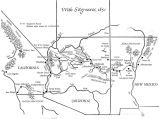
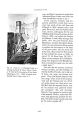
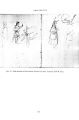
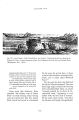
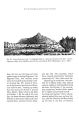
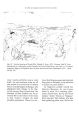
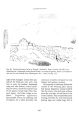
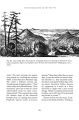
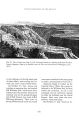
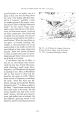
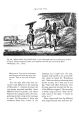
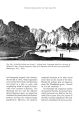
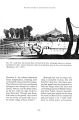
Show CHAPTER FIVE in November 1850, to protect immigrants at the essential Yuma crossing of the Colorado. It had proved very expensive, however, to supply the garrison from San Diego, 210 miles away over mountains and desert, or via the treacherous Colorado River. In June, prior to Sitgreaves's arrival, the costly post had been abandoned and the garrison had moved to the mountain community of Santa Ysabel. Meanwhile, First Lt. Thomas W. Sweeny, with a detachment of ten men, had been left behind to protect immigrants. Sweeny had established his command at a private ferry crossing, about six miles below the mouth of the Gila, in a thicket of mesquite on the west bank of the Colorado. Free of the commanding officer he despised, Capt. Samuel P. Heintzelman, Sweeny had named his new post Camp Independence.68 From a Mexican they met near the mouth of the Gila, Sitgreaves's party learned that Sweeny had moved the post down river. Sitgreaves and his men removed their pants and shoes, waded across the Gila, redressed, and hiked on until they came in sight of Camp Independence at a bend in the Colorado. A surf boat was sent across the river to pick them up. Before crossing, Kern made the only extant sketch of Sweeny's Camp, with its picket stockade and the promontory called Pilot Knob in the background (fig. 101). Kern mistitled the drawing Camp Yuma, and subsequent writers have mistaken the drawing for the upstream site of Camp Yuma-the site of the notorious Fort Yuma, from its reestablishment in 1852 until 1885.69 The Sitgreaves expedition reached Camp Independence on November 30, at a critical juncture; the officers there expected an attack at any moment. From its inception in June, the ten-man post had occupied an untenable position, as Lieutenant Sweeny had explained despondently in a letter to his wife: "to be stationed here with ten men on this desolate spot, surrounded by hostile tribes, who neither want the will nor power, to annihilate us at any time . . . this is what I did not conceive of even in a dream."70 The situation became especially precarious when the Yuma post became the focal point of an effort by Antonio Garra, a Cuperio chief, to unite the southern California mountain and river tribes with Mexicans, to drive the Americans out. "The first step in Garra's strategy," according to one historian's analysis, "was the destruction of Camp Independence."71 A few weeks before Kern's arrival at the camp, on November 11, a group of Indians including Garra had attempted to seize the post. Sweeny's defense with a howitzer, and the coincidental arrival of reinforcements the following day, saved the Americans, but harrassment continued and the officers decided they could not hold out. The addition of the nearly fifty hungry men with Sitgreaves and Kendrick, on November 30, and the arrival of reinforcements from San Diego, on December 3, put too great a strain on the post's chronically limited supplies. On 182 |