| OCR Text |
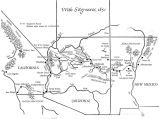
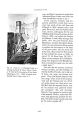
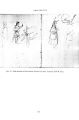
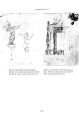
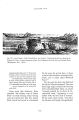
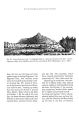
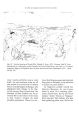
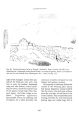
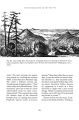
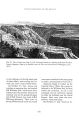
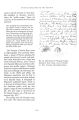
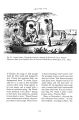
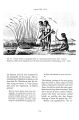
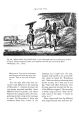
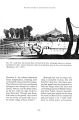
Show WITH SITGREAVES TO THE PACIFIC recovered enough to travel, and the Sitgreaves expedition officially got underway. It would prove more perilous than anyone had imagined. Two months later, with two men dead, two men wounded, their food gone, and most of their mules lost, the bedraggled remnants of the expedition would stagger into a small military post near Yuma on the lower Colorado River. But the reconnaissance that would end so badly began auspiciously, with the men in high spirits. Woodhouse noted in his diary that they • had pitched their tents right in the Pueblo: Much rejoiced were we all to leave this dirty place and once more to get on the road where we could breathe the fresh air, for living in an Indian pueblo is anything but agreeable. The atmosphere is strongly impregnated with all kinds [of] nauseous perfumes.35 Kern himself wrote from Zuni to a friend that his duty with Sitgreaves was "very pleasant; serving in the field being much more congenial to my semi savage habits than living in a civilized community." 36 On mule back, the party moved out from Zuni over a much-used trail that followed the Zuni River through cornfields and peach orchards. Just as he had done on the Fremont expedition, Kern kept a sketchbook and made daily entries in a diary, often describing the route and the day's activities in greater detail than Sitgreaves would do in his published report.37 Four day's travel brought them to the Little Colorado on September 27. Near camp that afternoon, "in a beautiful little canyon," Kern sketched two members of the expedition posing atop what Kern called Leroux Island in the middle of the Little Colorado (fig. 83), where the river flowed through "a broad bottom about half a mile wide & filled with rushes."38 At the Little Colorado they left the well-marked trail they had been following, for it turned southerly toward the Salt River. With Leroux and some Mexican arrieros guiding him, Sitgreaves continued westward, following the Little Colorado. It was tough going. At times the river disappeared into steep-walled canyons they could not follow, and there always seemed to be another arroyo or stream to cross-sometimes rocky and sometimes sandy, but always requiring the monotonous yet taxing efforts to move animals up hill and down hill, up and down. Kern's terse journal entry of September 30 suggests the nature of travel on a day in which they covered eleven miles. On this day, as he would on other occasions, Kern went ahead of the main party with the guide, Antoine Leroux: Left at 7:30 with Leroux. Passed small rocky arroyo and at 8:50 descended into bottom near pile of rocks . . . passed fine spring, the spring jumping down the big rocks to our left. Bottom good & hemmed in on north by rocky hills jutting out into it in rocky points of red & white sandstone. At 9:15 came to bad arroyo. At 10:10 passed little point and bore toward dark line of timber. The river some little distance to the left enters quite a canon of white sand stone. After trav- 159 |