| OCR Text |
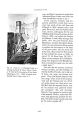
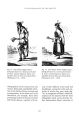
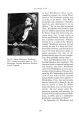
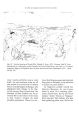
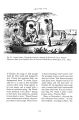
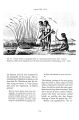
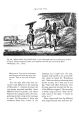
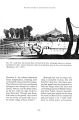
Show WITH SITGREAVES TO THE PACIFIC through thick underbrush along the riverbottom and other times crossing through barren, rugged mountains. In addition to the natural obstacles that took a terrible toll on their mules, the tribes along the Colorado also let the visitors know that they were unwelcome. Signs of Indian hostility appeared the first morning they started south. They had advanced only a few hundred yards from camp when they saw what Kern described as "a large and fresh drawing in the ground, which clearly said we must retrace our steps or they would kill us." This ominous sign notwithstanding, the first Indians they encountered were friendly Mohaves, a Yuman-speaking group that had come, Kern said, to trade their pumpkins, beans, and corn. At least as early as 1604, Mohaves had had direct but infrequent contact with Spaniards, and since the 1820s Mexican traders and American trappers had passed through the Mohave Valley. None of these visitors left detailed descriptions, however, and anthropologists have wondered about the extent of Hispanic influence on Mohave culture by the time of the American takeover in 1848. Kern's notes suggest the existence of considerable Mexican and American influence in this remote area by the autumn of 1851. He noted that some of the Mohaves rode "beautiful California ponies." Instead of stirrups, they managed the animals with "a broad plait of rope, passing around the belly." Kern described one Mohave as looking "quite fanciful, with a pair of goggles, Mexican soldier's jacket, and breech clout." Antoine Leroux, who had visited the Mohaves in 1837, remembered on his earlier visit that most of the men wore breechclouts made of willow bark, but now most were made of cloth. In general, Kern said, "their manner indicated they were quite used to Americans."58 The first graphic image of the Mohaves available to the public came from Richard Kern's pen, and appeared as a lithograph in Sitgreaves's Report (fig. 98).59 The handsome appearance of the Mohaves in this drawing reflects Kern's high opinion of them, and conformed to his verbal description of the Mohave men as the largest "race" he had ever seen. They were "not only very tall but well formed, "making the Yampais look "like pigmies in comparison." Their hair is plaited in separate plaits & falls about halfway between the shoulder & small of the back. They all had the breech clout. . . . This is the only article of clothing worn. . . . Some tattoo their faces & breasts in thin lines or dots; black paint is the most used and red is the only other color. . . . Some of them wear beads & pearls in the ear & nose and have buckskin cut in thongs and hung around the neck. The left or bow arm on many is guarded with leather ornamented with buttons & buckskin strap. Kern described the Mohave women as short and fat, and wear an apron of willow bark which is held around the middle by a piece of woolen fabric exposed in front but hidden behind by the apron 177 |