| OCR Text |
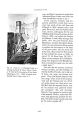
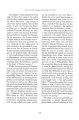
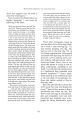
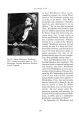
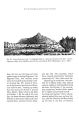
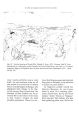
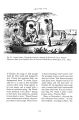
Show CHAPTER FIVE Fig. 82. Samuel Washington Woodhouse, M.D., dressed in buckskin pants, ca. 1852. Photograph. Courtesy, Museum of Northern Arizona, Flagstaff. to find Woodhouse. Kern recommended a stronger cure, telling Wood-house to "try the western remedy; that is to say, to get drunk." This, Wood-house said, was a treatment "I had often heard of, and, determined to try its efficacy."32 By the time that he reached Zuni, Woodhouse had downed a half pint of whiskey (presumably delivered by Kern), along with some strong ammonia water, but "it took a quart of fourth-proof brandy, besides the whiskey, to produce intoxication." Whether because of, or in spite of the "Western remedy," Woodhouse recovered. He had to keep his arm in a sling until mid- November, however, and the loss of the use of one hand limited his ability to gather specimens. For that, he depended heavily upon his trail companions, Kern probably among them.33 Kern and Woodhouse seem to have become friends on this expedition. The two men shared a common background and interests. Like Kern, Woodhouse came from Philadelphia and was also a member of the Academy of Natural Sciences (fig. 82). Membership in that small circle of men with scientific interests had probably brought them together in Philadelphia. If not, they had certainly become acquainted in Santa Fe. By the time he arrived in Santa Fe, Wood-house, like Kern, was a veteran western traveler. He had served under Sitgreaves as physician and naturalist on a survey of the Creek boundary in Oklahoma, in 1849, and on a subsequent government expedition in Texas.34 By September 24, Woodhouse had 158 |