| OCR Text |
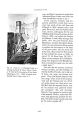
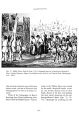
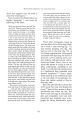
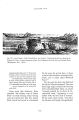
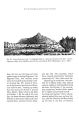
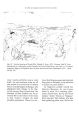
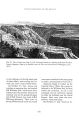
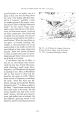
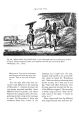
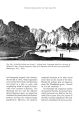
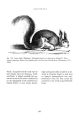
Show CHAPTER FIVE -.,•• Fig. 72. Acoma no. 3. Lithograph based on a drawing by James W. Abert. Report of Lieut. J. W. Abert of His Examination of New Mexico (Washington, D.C., 1848). (Compare with Richard Kern's Acoma, plate 12.) port, and Abert's perspective might have influenced Kern to draw two views that were remarkably similar to his.14 From Laguna, Sumner and Sitgreaves proceeded toward Zuni over a route just south of the trail Kern had followed in 1849. Sumner took a new road, Kern said, built by Pueblos from Zuni, Acoma, and Laguna for the visit of Bishop Jose Antonio Laureano de Zu-biria in 1850, and called the Camino del Obispo. It took them through lava fields, over the pine-forested Zuni Mountains, and past Inscription Rock, where the ever-inquisitive Kern paused to explore the box canyon in the heart of the great penol. On the north side of the rock, about three feet from where he had chiseled his name in 1849, he carved "R. H. Kern/Aug. 29/ 1851." Then, on the northeast face of El Morro, along with Sitgreaves and Woodhouse, Kern scratched his name into the rock a third time.15 The next day the journey continued without incident, but that evening, on the Ojo del Rio Pescado, just a day out of Zuni, the camp was thrown into panic. "Our chief arriero Joaquin came into camp," Kern wrote in his journal, "and said the Navajos had ran off all our mules except two. Here was a row. Old Bull had the assembly blown, and all the animals were picketed within the command." The next morning, however, they managed to retrieve most of the animals. Wolves, rather than Navajos, had apparently spooked the herders, who had hurried toward camp and let the mules wander off.16 148 |