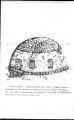
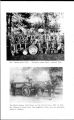
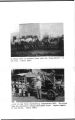
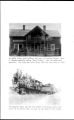
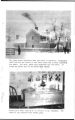
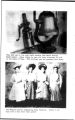
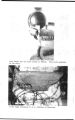
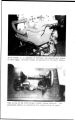
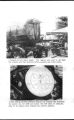
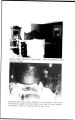
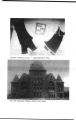
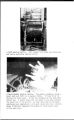
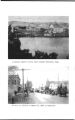
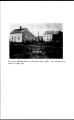
| Show Under the supervision of Mr Shelby who was retained for some time as the first miller operating the new equipment Jacob Rasmussen became the second miller of the new system It was found immediately that the new system required more power than the present amount of water could supply Consequentlynew stean engine was installed to supplement the water power More wheat storage room was needed solarge room was added on the North end of the building and the engine room on the South The new UNION ROLLER MILLS was now ready to operate at capacity It was producing three grades of flour bran middlings or shorts cereal Germade whole-wheat flour grahan flour and ground feed for livestock This feed was then called chopped feed The old stone burrs were now used only for grinding whole-wheat flour now called stone ground flour and livestock feed 4s in the days of Elamfirst mill this new mill operated on toll basis From each bushel of wheat ground the farmer received 33 pounds of stralght grade flour and 14 pounds of bran the company retaining 13 pounds as toll to pay for the grinding From this 13 pounds of wheat the miller had aboutpounds of bran amd shorts pound of low grade patent flour usually paid for toll for grinding traded for other very often in the flour white andpounds of Grinding at to was sold items of form of high of whole-wheat flour and feed was 15 per hundred pounds The millerto the people for cash or sometimes produce Cash at this time was store scrip It was soon discovered that the revemue from the business would not meet the expenses of the operation The steam engine required the services of an engineer besides the cost of fuel and upkeep The problem had to be faced and solved Water power was the only solution But the fact remained that at the time it was needed most the water would be at the low point for the year To findgreater source of water was impossible nelther could the water be raised tohigher level to produce more power The answer came through the creation ofstorage pond Therefore the mill would havebe closed down while the pond filled and then withfull head of power it could operate until the pond was emptied This method put the mill out of operation about one third of the time but did put it back onprofitable basis And thus 1t operated throughout the remainder of its life -109 |