| OCR Text |
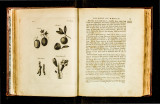
Show H I S T 0 R Y 0 F M E X I C 0. .nooK r. With refpeCl: Iaftly to .plants which yi~ld profitable ~elins, .. guh1s, ~ oils, or juices, the country of Anahuac 1s moft fin gub tly fertile, a~ ~lants,.ofufe· .Acoil:a in his Natural Hiftory acknowledges. ~i':s:1~~:~~·nrs~- The Huitziloxit1, from which a bal fam di£l:ils, is a tree of mode- ·~,il.s , and 1 · 1 t ? ts leaves are fomething iimibr to rhoii of the almond .JlW:cs. tratc 1e1g 1 • \1. • • • • , • ' ·tree, but larger; its w.ood 1s reddd11 and odorous, and 1_ts bar k g! ey, but covered with a reddia1 pellicle. Its flowers, whtch. are .p:tle, .fpring from the .extremity .of tbe branches. lts feed IS. fma!l, white and crooked ; and likewifc comes from the extremity o.f a thin D1ell about a .finger long. In whatever p:ut an incifion is made, cfpccially after rains, that excellent refin di fl:ils which is fo much .valued in Europe, and nowife inferio~ to the celeb rated balfam of Meech a ·(t). Our balfam is 0f a rcdd ilh black, or a yellowifh white, as from an incifton it runs 0f both colours, of a iharp and hitter ta£l:e, and an intenie b11t mo£1: grateful odour. T he balf.un tree is c0mmon ·in the pr0vinces of Panuco and Chiap:m, and in other warm c0untries. The kmgs of Mexico caufed it to be tranfplanted into the celebnHed garden of Hua.xtcpec, where it rooted fuccefsfully, and multiplied confiderably in all thofe mountain s. Some of the Indians, to extraCt a g-reater quantity of bJJiam, after making an incifion in the tree, have burnt the branches. The :rbundance of thefe valuable trees make them regardlefi of the loJs of numbers; by which means they are not obliged to wait the How- • nefs of the difi:illation. The an <.:ien t Mexicans not on] y coll eCted the opob:J.li:lm, or drop difiilled from the trunk, but alfo ext rad:Ld the xylob:1lfam from the branches by means of decoCl:ion (u). From the IIuaconex and Maripenda (x), they extracted an oil equival nt to the balfiun. The Iluaconex is a tree of moderate heigh t, and Figuier, & Figuier admirable. The hifl:ori :ms of Eafi India defc riue another tree, fimilar to this, which is found there. (t) The fir tl batf:un brought from Mexico to Rome was ft,ld at one hundred · du ca ts, by the ounce, as Monardes nttefls in his Hitlory of the medicinal Simples of A mct·icH, and was declared by the Apo!lolic Sec, matter fit for chrifm, although it is diflc rent fro1\1 th at uf Me, chn, ns A ofla :tnd other writera on Ameri ca obferve. (11) There is an oil alfo drnwn from the fruit of the Huitziloxit!, fimilar in fm cll and tnOc to that of the bitter almond, but more acrimonious ami intcnfc which is found hi•ddy ufcful in medkinc. ' ::. ( .. r) The names Huaconcx and Maripcnda are not Mexican, but ado!Jted by the authors iW\11> write Gf ' thefe treqs, of H I S T 0 :R Y 0 F M E X I C 0. ' of an aromatic and hard wood which keeps frefh for years though buried under the earth. Its leaves are fmall and yellow, its flowers ,likewife fmall and white, and its fruit fimilar to that of the laurel. !hey di.fl:ille~ od r:om the bark of the tree ; after breaking it, keeping ~~ thr:~ days m fpnng .water, and then drying it in the fun. They lJkewlle extraCted an oll from the leaves, of a pleallqg odonr . . The Mat:ipenda is a {hrub, whofc leaves are like the iron of a lance. and the fruit is fimilar to the grape, ancl grows in clufters which ar; .fir£1: green, afterwards red. They extraCl:cd the oil, by a decoCtion of the branches, with a mixture of fome of the fruit. The Xochiocotzotl, commonly liquid amber,. is the liquid Storax of the Mexicans. It is a great tree (not a fhrub, as Pluche makes it): it~ leaves are fimilar to thofe of the maple tree indented, white u: ~ne part, and· dark in the other; and difpofed in threes. The £·u1t 1s thorny and round but polygonous, with the fur.h1ce and the angles y~ll~w. !he bark of the tree is in part green, part _tawny. By mcdion m the trunk, they extract that precious refin called by the Spaniards, liquidambar; and the oil of the tune name which is frill more o~orous and efiimable. They alfo obtain liquid amber from a decocbon of the branches, but it is inferior to that which diil:ils £·om the trunk. The Mexican name Copalli, is generic, and common to all the refins; but efpecially Iignifies thofe which were made ufe of fo incenfe. There are ten fj)ecies of trees which yield thefe forts 0 ; : efin, and di~cr not only in their name, but in foliage and £·uit, and m the. q~ hty .of the I~l!fin. T~at fimply called Copal, as being the pnnc1pal, JS a wl11te . tranfpnrent relln, which diil:ils fr-om a lclrge tree, whofe leaves refemble thofc of the oak, but are larger, and the fruit is round and reddifh. This refin is wcli known in Europe by the name of gum Copa!, and alfo the · ufe '~'hich is made of it in medicine and varnifhes. The ancient Mexicans ufed it chiefly in burnt offi rings which they made for the wor-· i11ip of their idols; or to pay refpeCl: to amblffadors, and other perfons• of the. firil: rank. At prefent th~y' ~on fume a great quantity in the' wor~1~p of the tru~ God, and h1s fau1ts. The Tecopa!li or 'Tepet'~- : pal!t, 1s a refin fimdar m colour, odour, and tail:e to the incen(e 0f. VoL. I. F Arabi4), 33 BOOK I. , "'--'r--1 |