| OCR Text |
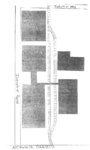
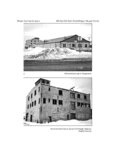
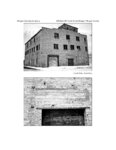
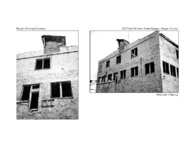
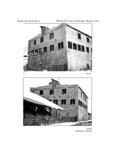
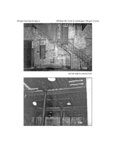
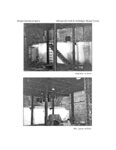
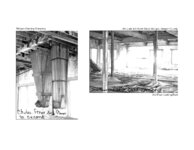
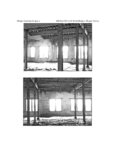
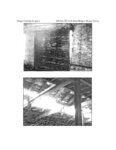
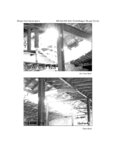
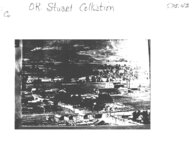
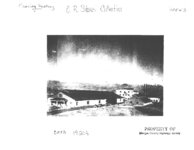
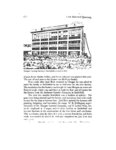
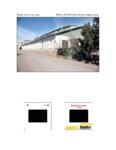
Show Along the northeast side of the warehouse, factory and vinery was a siding of the Union Pacific Railroad. There were two sets of tracks next to the warehouse which switched or merged to one set of tracks next to and extending past the factory building. The factory building had a hoist on the roof which could extend to the railroad cars and lift supplies to each floor of the building. There was also a large freight door on each floor, on the track side of the factory, for these supplies to be placed through. Trains delivered the cans for the peas and sauerkraut and other supplies necessary for the canning process. The finished product, canned peas and sauerkraut were loaded into box cars and shipped via railroad to various destinations. Processing Cabbage to Sauerkraut Cabbage was hauled from the farms and placed in the storage room or large wire bins outside the factory building. From the storage area the cabbage went from a chute to a conveyor belt. This belt carried it to the cutting room where men were stationed at four coring machines. From here the cabbage passed women who removed the outer and/or blemished leaves. More than a dozen young ladies, all dressed in uniforms, including caps and gloves, preformed the job. From this point the cabbage traveled along a belt to the cutting or shredding machines. It was then treated with salt and passed through a steamer and was heated to 68 degrees. A couple of ladies were located along a conveyor belt to preform quality control by removing any hard, green or oversized pieces of cabbage. The salted cabbage dropped into a stainless steel cart on the lower floor and then emptied into one of 28 wooden stave vats. After each use these wooden containers were always kept wet and scrubbed completely before reused. A man using a pitch fork spread the cabbage evenly around the large circular vat. Each vat was approximately eight feet deep, twelve feet in |