| OCR Text |
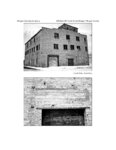
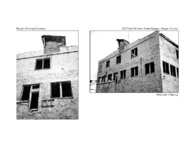
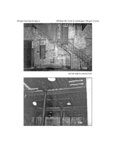
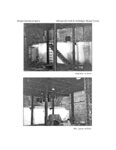
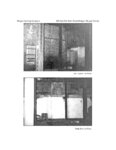
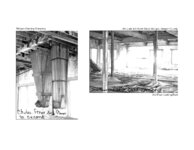
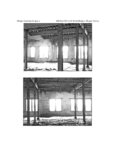
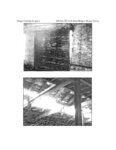
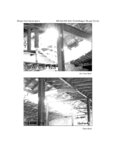
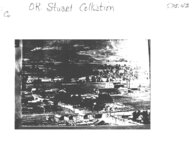
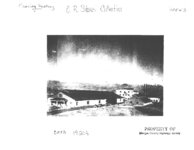
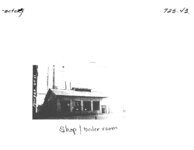
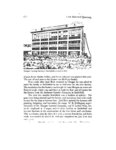
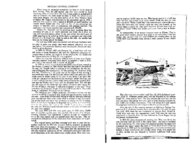
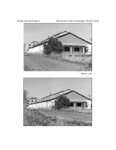
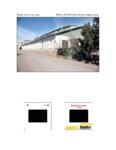
Show Processing Peas from the Farmers Field to the Grocery Shelf Morgan fanners planted peas in early spring. Pea crops were also raised in surrounding counties. When the crops were ready to harvest the peas were taken to one of the several viners around the county or one at Hennifer, Hoytsville, South Weber or Far West. Fanners mowed the peas with a hay mover and then hand loaded them by pitchfork onto wagons, and later trucks to be hauled to the vinery. The trucks consisted of about twelve Fords and three Maxwells. All had hard tires and only traveled approximately 15 miles per hour. Some peas were brought to the viner located directly behind the factory building in Morgan. At the viners the vines, with the peas pods attached, were unloaded by hand and threshed from the pods by machinery. The peas were extracted from the pods by means of a beating device placed in the mouth of a hopper. The shelled peas then dropped on to a revolving canvass which allowed the whole pea to roll offbut at the same time retained the vines and the split peas.( The vines made excellent silage for fann animals.) The shelled peas were placed in bushel crates. Whether the peas were brought to the vinery at the factory or placed in crates and delivered to the factory some peas from each crate were tested for juice content. They were graded according, ranging from grade one to grade twelve. Grade one was the best or premium grade and twelve the least quality. Fanners were paid according to the weight and grade of their product in these crates. Grade one paid $125.00 a ton and the price decreased for each lower grade down to $50.00 per ton for grade twelve. Peas from the crates then passed through a water bath, after which they were elevated to the top floor of the factory by means of large cast-iron cups fastened to an endless chain. On the top floor of the factory building the peas went through a series of grading and washing or blanching machines. The grading or sorting machine consisted of several approximate 6 foot |