| OCR Text |
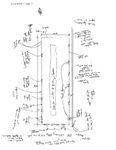
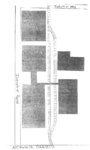
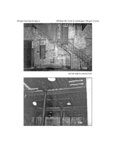
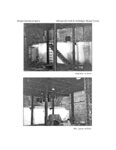
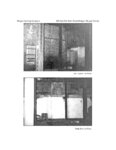
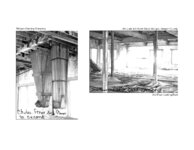
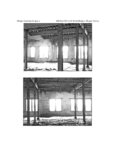
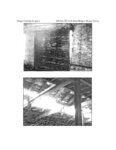
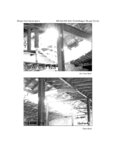
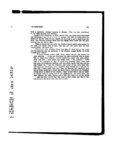
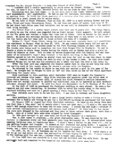
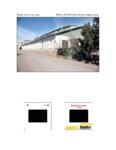
Show revolving screen or sieve-like cylinders which contained holes of different sizes in order to sort the peas by size. The smaller or first grade peas would fall through immediately while the larger ones proceeded on to another outlet. The peas then flowed by means of gravity down chutes to the second floor where approximately fifty women were located along several conveyor belts. These belts carried the peas slowly past the ladies who were employed to meticulously inspect the peas and remove any inferior ones, to prevent them from entering the next process. The inferior peas were placed in small boxes next to the ladies. The boxes were routinely removed and emptied by another employee. From here the graded peas went through another bath or blanching and mixed with a solution of brine-water (salt and a little sugar) and then went to the filler where they were placed m cans. The filled cans proceeded to the closing machine and were placed in large steel crates. Each crate contained approximately 200 cans. The crates were attached to a network of tracks extended from the ceilings. The filled crates were then lowered to the first floor where the cookers were located The crates were guided around and lowered into a cooker or "Torts" as they were called. Here they were steam pressure cooked for 30 minutes at 15 pounds pressure, after which they were hoisted out of the cookers, and by means of the overhead track system were moved slowly through a cold water bath which extended between the factory building and the warehouse. When the steel crates reached the warehouse an employee was stationed there to gently shake the full creates to remove all the water off the cans. The crates continued to move on the overhead track system through the warehouse where they were placed for storage until the cans were labeled in the off-season or winter months. |