| OCR Text |
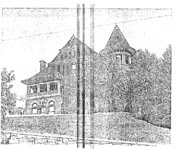
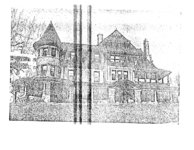
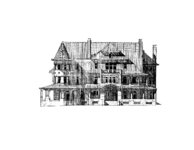
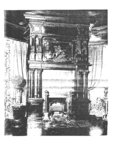
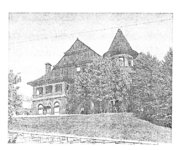
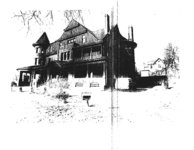
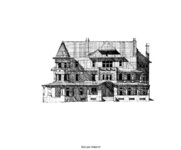
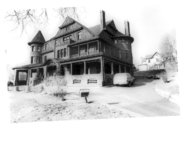
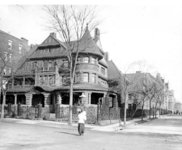
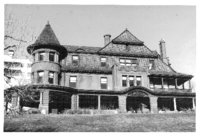
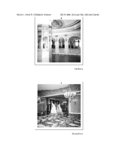
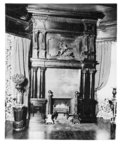
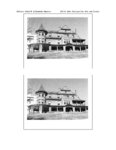
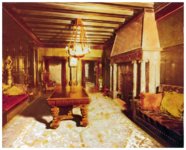
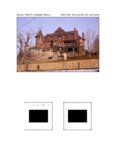
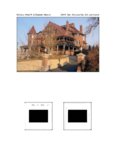
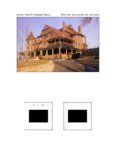
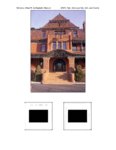
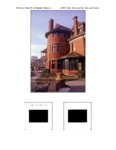
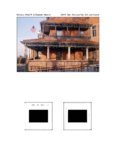
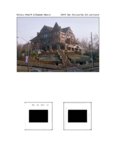
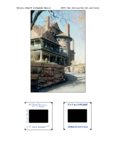
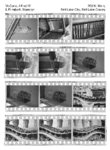
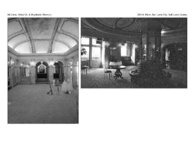
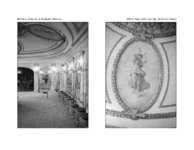
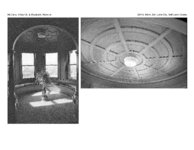
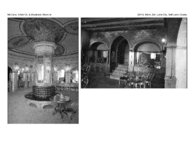
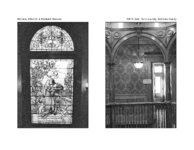
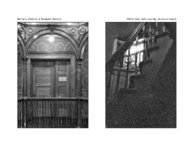
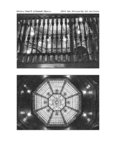
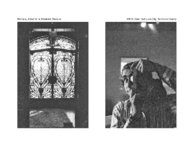
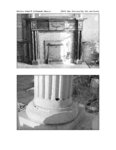
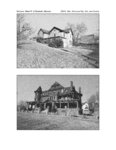
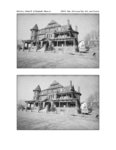
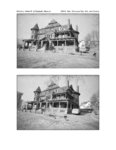
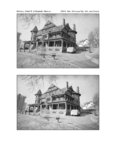
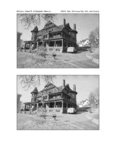
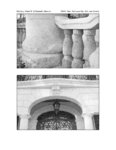
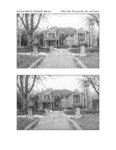
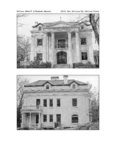
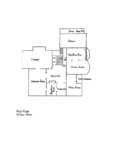
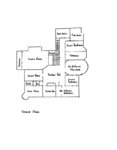
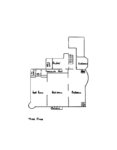
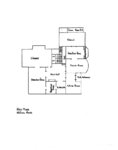
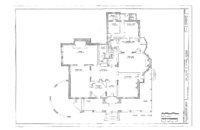
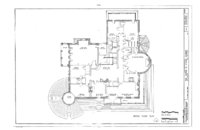
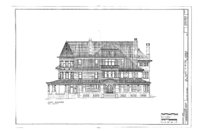
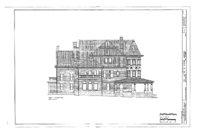
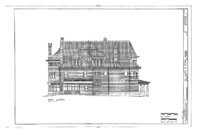
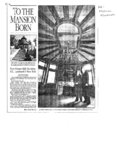
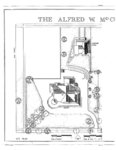
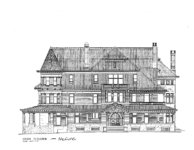
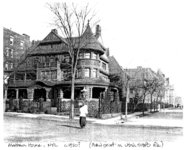
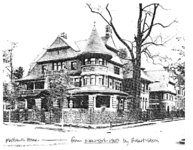
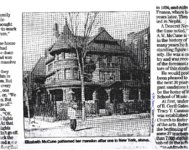
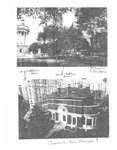
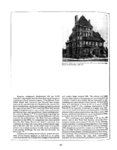
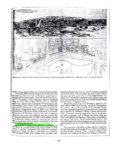
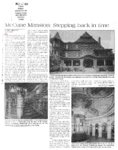
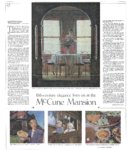
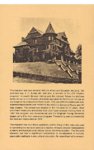
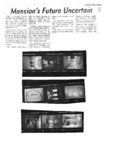
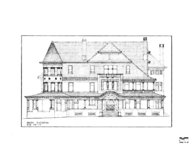
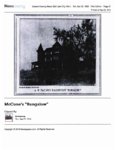
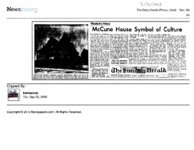
Show studying building styles and materials to carry out her plans. "I was told bv Mrs. McCune," he wrote, "that simplicity' must be the keynote of the whole design; comfort and convenience must not be sacrificed, while vast display, extravagent pretentions, gorgeous effects were not to be tolerated. They wanted a .home thay could live in and enjoy." The three-story, 21-room house was perfectly designed for warmth and hospitality where good food and joyful entertaining could be a natural and constant thing. By Winnifred Jardine Deseret News food editor T HE SPACIOUS top-floor ballroom of the magnificent McCune Mansion is r~ngin~ once again with happy vOices 10 g~y [ ] eonversation, laughter, musIc I and the sliding sound of dancing feet. In festive accompaniment are delicious smells of food emanating from the near-by catering kitchen and the emergence of the food itself - trays of tender ham and spinach quiche, succulent barbecued pork, flaky phyllo pastries filled with delicately seasoned lamb or chicken, marinated mushrooms, slivers of crisp raw vegetable with snowy white dip, fresh-cut fruit and bowls of refreshing punch. Today's sounds and sce~es a.nd. sme~ls and tastes in the splendid sUite with Its glistening mirrors and great a.leoves ma~ ~ot duplicate the style with which entertaml~g was done by the McCune's original inhabitants Alfred W. and Elizabeth Claridge McCune. But Salt Lakers with a memory rejoice in the renewed use of the t~ird floo.r ballroom for weddings and receptions, pnvate dinners and luncheons and open houses and teas. And Mark Petrie, manager and cook of the McCune Reception Center, is making it happen. "I'll ~ever give up the Mansion," this salesman-turned-chef told us as we talked about his life and future as a fi ne cook and restaurant manager."I love this place!" And so do thousands of other Salt Lakers. I For every intricate detail of this lavish structure seems geared to the gracious living so enjoyed by this culture. Elizabeth Claridge McCune, wife of the brilliant-and wealthy entrepreneur, Alfred W. McCune, supervised the planning, building and furnishing of the imposing red brick structure, with its gables and cupolas and dark tile roof at a cost estimated at over a half million dollars, a vast sum for the year 1901 when it was completed. And although It was not finished until the turn-of-the-century, the mansion captured the elegance of the 19th-century Victorian Era. McCune made his fortuDe first as a railroad contractor in the Rocky Mountain area then in the timber and mining business 'in Montana, and finally in a vast mining venture in the mineral-rich Andes Mountains of South America. The exterior of the home was fashioned after a house Elizabeth had seen while driving along Riverside Drive in New York. For the interior arrangement, the McCunes engaged a promising young architect, S.C. Dallas, to travel Europe and America for two years at their expense, IL--·------____________________ Becky Petrie arrangesflowers in alcove at the McCune Mansion, where she and her husbaflq do catering. :.- ( Jt . . . 19th-century elegance lives on at the MCCune Mansion , ~ ·I. Mark Petrie loves the elegance oj the manSion. Taylor and Brooke Petrie e njoy viewJrom the stairs. The house is entered from the south under a huge portico and through a heavy pair of bronze gates. On the left of the entrance vestibule is a small octagonal reception room with an exquisite art glass window and a wreath and bowknot design carved into the woodwork. The room was described by the architect as "the gem of the whole house." The English Renaissance dining room, now used as an office, is adorned with mahogany woodwork and a hand-painted ceiling of . still life that took the artist three months to complete. The walls above the wainscotting were hung with hand-embroildered wool tapestries so fine in texture that upon first sight one fancies them to be paintings. To the east of the dining room is a small conservatory that Elizabeth McCune kept filled with flowers, goldfish and birds. Prototype for the dining room, according to notes left by Dallas, was the famous old English banqueting room of Haddon Hall. And, he added, it (the dining room) was "by far the richest room in treasures in the house." A breakfast-room for more informal use ~y th~ family with their 9 ehHdren, locCited between the dining room and the butler's pantry, opens into the dining room .~ith broad sliding doors. And like the dmi~g room, it has woodwork of mahogany fmished in Chippendale fashion, as was the furniture that filled it. The fireplace in this small octagonal room built of IriSh marble, is situated in one c~rner, with cabinets for silver, china and glass located in the other corners. The kitchen was of good size, too, with a butler's pantry adjacent, all the better to prepare and provide exquisite fare to family and guests alike. On one occasion in July, 1917, Elizabeth McCune invited her closest friends, Augusta W. Grant, Alice K. Smith, Ann D. Groesbeck and Susa Young Gates, to the spacious home for a week's retreat. When the guests entered, each was presented with a simple striped gingham gown, to be worn through the week, and then sent to choose whichevSee QUALITY on 8-12 FoodJitJor the surrouridings graces McCune tables. PHOTOGRAPHY I TOM SMART |