| OCR Text |
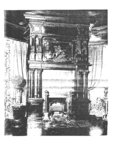
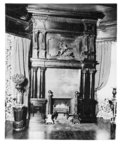
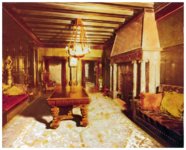
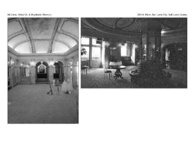
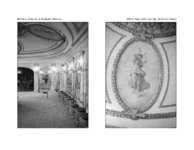
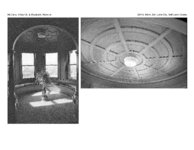
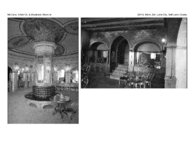
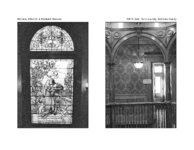
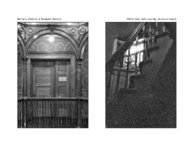
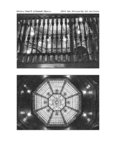
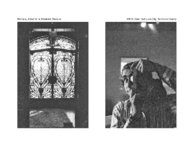
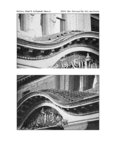
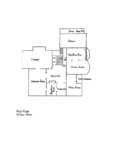
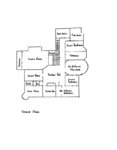
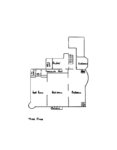
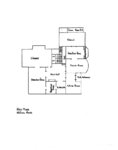
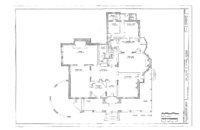
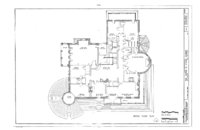
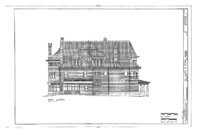
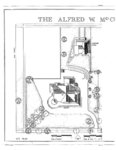
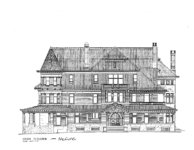
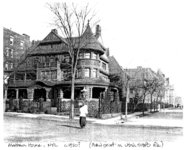
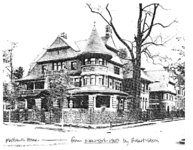
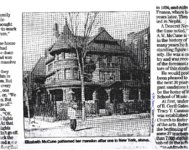
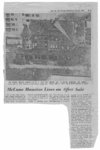
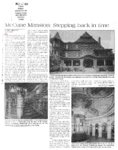
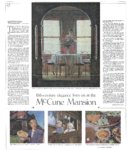
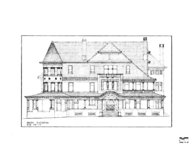
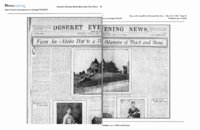
Show -2small music alcove; the ceiling over the main stairs is composed of deep oak panelling filled with beautiful art glass which is artificially lighted for night use. Under this balcony is another alcove once outfitted with seats and ru~s. The dining room is English Renaissance in design, the woodwork being of old mahogany and the ceiling handpainted. It is interesting to know that this particular piece of exquisite still life painting took the artist three monthS to complete. Indeed, the artist spent two years painting the ceilings and panels of this house. The walls above the wainscotting in the dining room are hunq with hand embroidered wool tapestry so fine in texture, so lovely in design, that one fancies it is painting. The prototype this room is the famous old English banqueting room of Haddon Hall. It is by far the richest room in treasures in the house, (if we except the statuary in the drawing room), and together with it's furnishings would make a complete subject for a magazine article. The breakfast room which opens into the dining room connects each to the other with broad sliding doors . It is a small room, octagonal in shape, located between the dining room and the butler's pantry with a small conservatory on the east, The fire~ place in this room is of Irish marble in one corner with cabinets for silver, china and glass in the other corners. It is finished in mahogany, the same as the dining room. Furniture and finishings were Chippendale. On a winter's morning the glow of the fire and sun's checkered light across the floor reminds one that spring is not forever gone. The conservatory was filled with flowers, gold fish, and birds. The drawing room belongs to no school of design, yet it's style and furnishings suggest the French palaces of Louis XIV. Although avoiding stately and gorgeous effects, the room is a marvel of beauty. The rose satin brocaded walls with the exquisite panels of Watteau paintings over the doorways ; the white satin grained mahogany, the rarest wood on earth and found only in South America, the broad ~irror which mirrors the wall on one side, and which was imported from Germany in cars especially built for it; the chandeliers of harmonious design and cut glass fittings--these from a fitting background for the works of art which clai the eye of the beholder. The life~size statue of Cleopatra is said to be one of the finest portrayals of the ancient Queen in existence. The other life-sized statue of Nydis, the blind girl, has also a story. Back of the dra\.,.i ng room is the 1i bra ry . The small reception room, which opens from the drawing room is octagonal in plan and finished in San Domingo mahogany. The walls are hung with green moire silk. The ceiling is composed of eight panels each having four figures in relic representing the seasons. This room is a modified empire in design and is the gem of the whole house. The design of wreath and how-knot w~s carried through cut furnishings. Once there were costly art glass windows in this room. On the second floor is t ~ ' c central hall sitting room with a wondrously carved Flemish screen dividing it from the stairway. Leading from this hall is the curio room, which is prot~ype~ an old English hall with open timbered roof, a large open fireplace, forming an ingle nook. The finishing and furniture are old oak; the walls were painted with a smoky tan color. Here is where the wondrous and curious collection made by this remarkable host and hostess who traveled the world was kept--such as the boa constrictor's skin; ma~oth grizzly bear skin rug, the largest one known anywhere; the ancient Madonna pictures, jaukas from South Ameri can rui ns, she 11 s, from the oceans, jewels f)'om the Ori ent, and many more. |