| OCR Text |
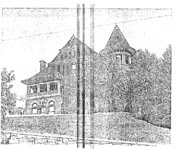
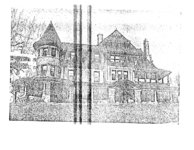
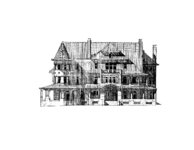
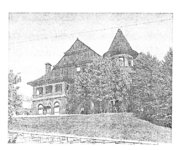
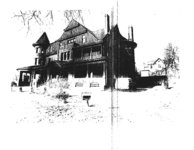
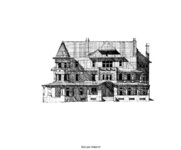
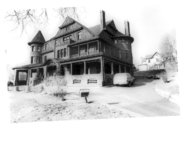
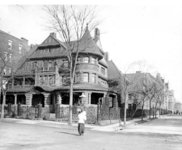
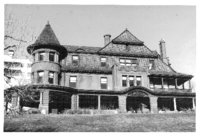
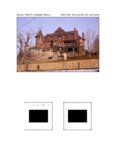
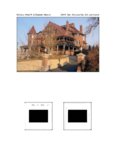
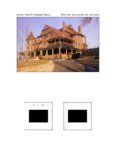
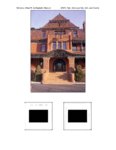
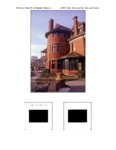
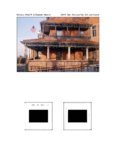
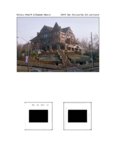
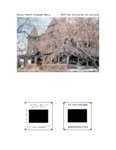
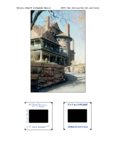
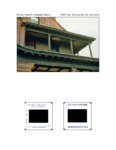
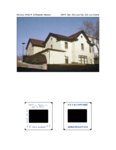
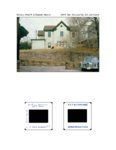
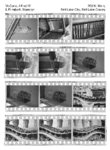
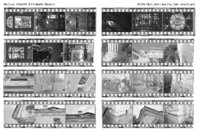
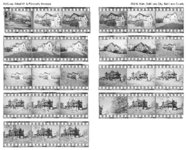
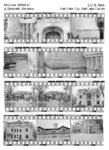
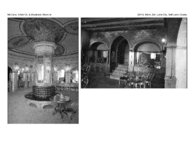
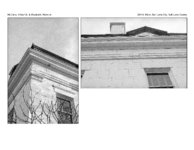
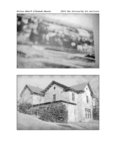
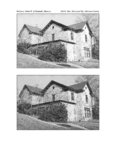
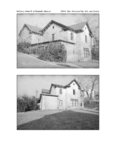
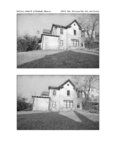
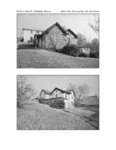
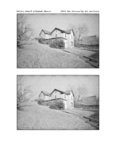
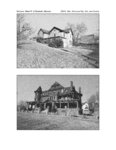
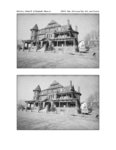
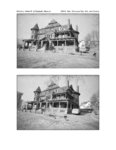
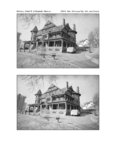
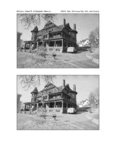
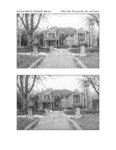
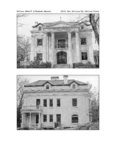
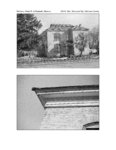
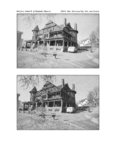
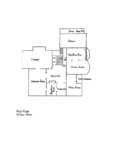
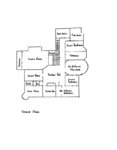
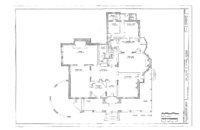
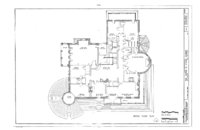
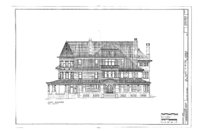
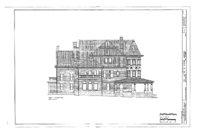
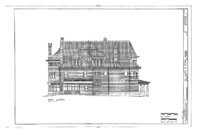
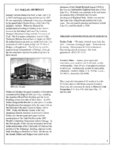
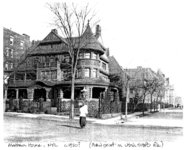
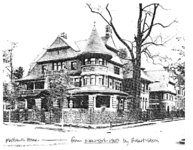
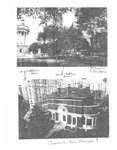
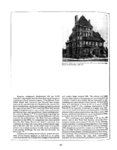
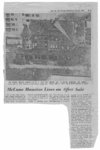
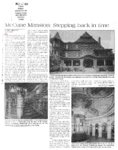
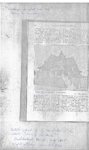
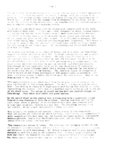
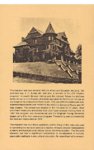
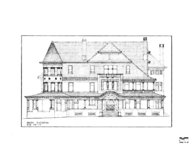
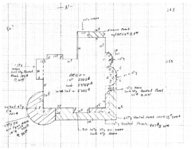
Show Samuel G. Bayne house. southeast corner of Riverside Drive and 1<M3da Street. Frank Freeman. 1892. CU However, subsequent development did not fulfill Schuyler's expectation that the West End would become a quarterfor those of "moderate means. "280 As Edward Tuckerman Potter and Frederick Law Olmsted had already observed, the standard size of a Manhattan lot, twenty-five by one hundred feet, put the price of land beyond the reach of the wage-earner class. 281 As a result the West End became largely a neighborhood of upper-middle class professional and business men, and was called an "American Belgravia" by a critic in Munsey's. 282 The typical house was large but more modestly scaled than those in the Billionaire District, to -which the architecture of the West End was endlessly compared in the 1890s. No comparison was more pointed than the Real Estate Record and Guide's statement that "looked at as a whole the west side is architecturally superior to the east side; but, on the other hand, it is equally certain that in single examples of solid, costly, pretentious, if not artistic dwellings, the east side has distinctly the advantage. "283 A fashion for building artistic houses, modest but intimate private houses designed by architects in an urban mode equivalent to the Shingle Style cottages of the suburbs and resorts, began around 1880. The artistic city house usually filled a gap in a brownstone row, requiring that the architect "insert a front which did not contradict its surroundings nor assert itself at their expense, but deferred to them and conformed to them as far as it could without stultifying itself."284 The rowhouse development of the West End was typically carried out on a larger scale, ho~' ever. As the Real Estate Record and Guide put it: "A favonte scheme with investors seems to be a row of five twenty-foot houses, varied and individual, but so far connected in design as to show they are fronts of one project."285 . While row houses were beginning to fiII up the S!de streets and to line West End Avenue, Riverside ~n~e remained largely undeveloped. 286 Yet the Tweed AdmInIStration's decision to construct Riverside Drive was al:rs recognized as central to the West End's success. Open In 1880, though not extended by viaduct over the Harlem Valci ley until 1900, the Drive combined grand monuments an terraces with an informal curvilinear roadway and natu~: is tic plantings. This juxtaposition of Classical and natl! istic elements reflected the same rich, cosmopohtan approach found in the earlier Central Park: city and countrY 362 |