| OCR Text |
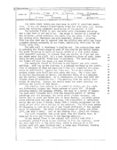
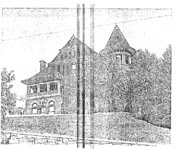
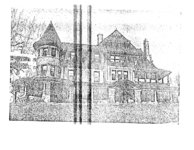
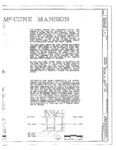
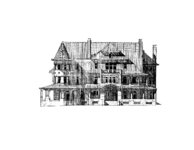
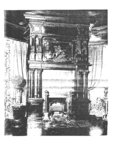
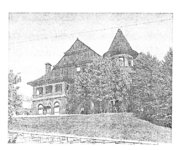
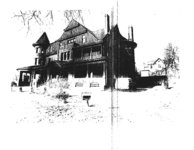
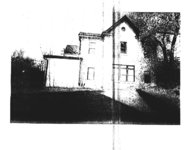
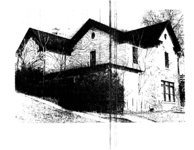
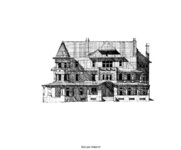
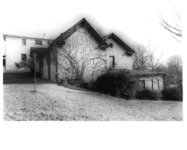
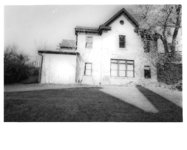
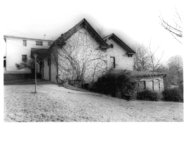
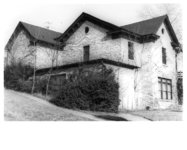
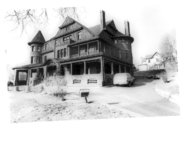
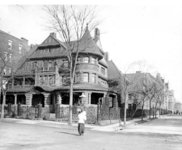
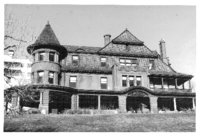
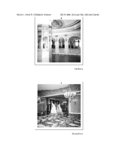
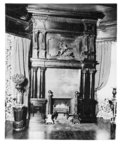
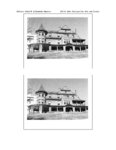
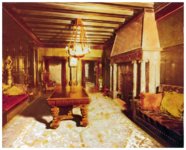
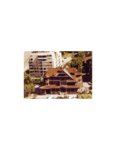
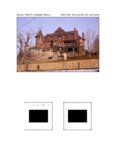
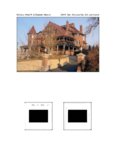
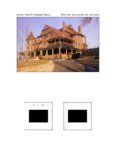
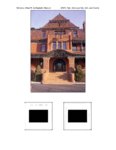
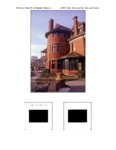
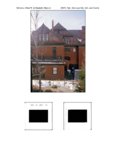
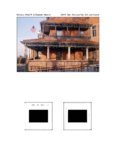
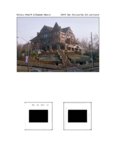
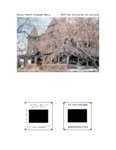
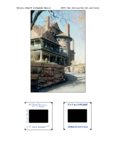
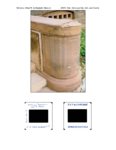
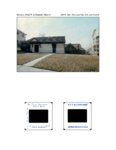
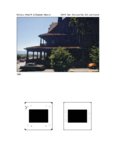
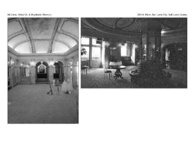
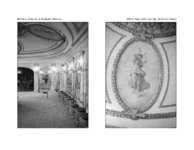
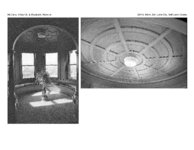
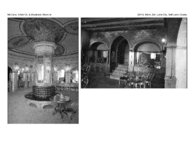
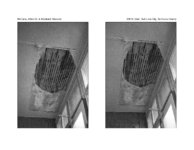
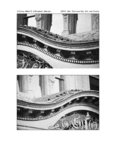
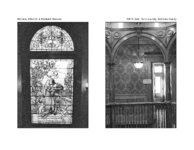
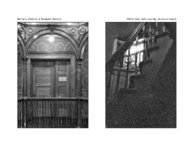
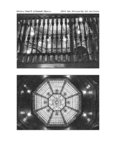
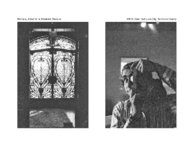
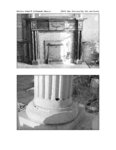
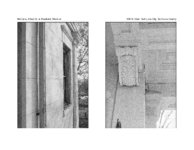
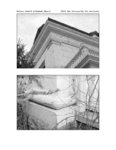
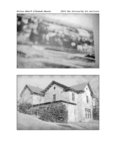
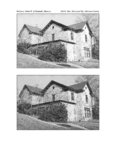
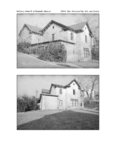
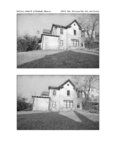
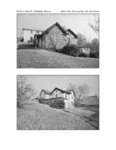
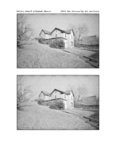
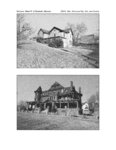
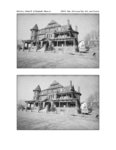
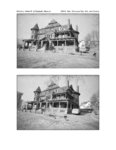
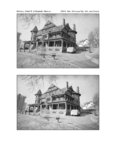
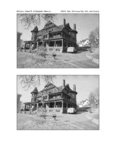
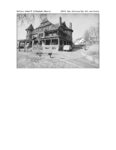
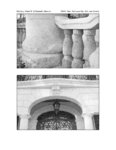
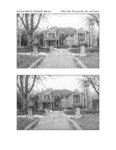
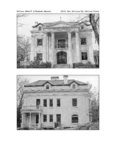
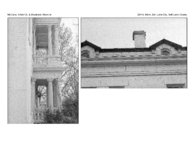
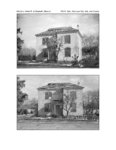
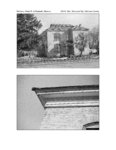
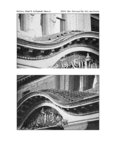
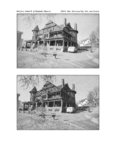
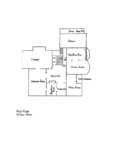
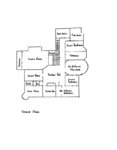
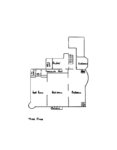
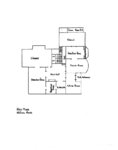
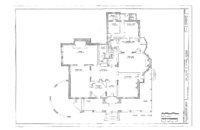
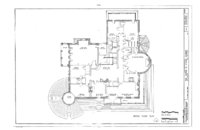
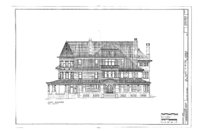
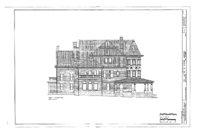
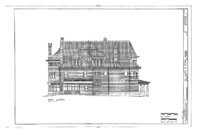
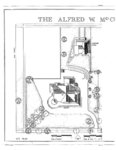
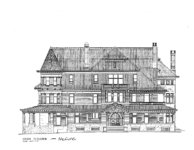
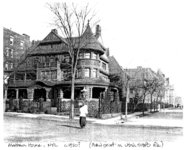
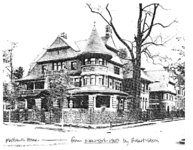
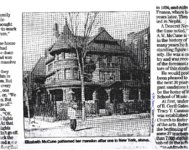
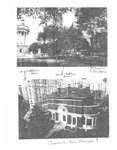
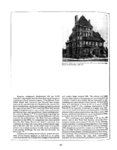
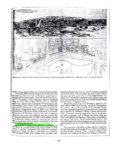
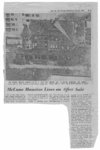
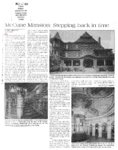
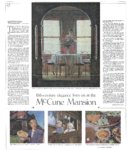
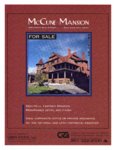
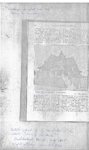
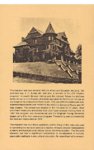
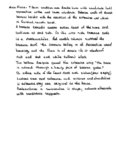
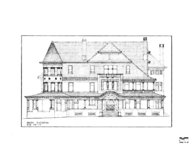
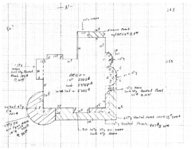
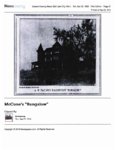
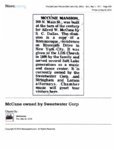
Show ARCHITECT'S DESCRIPTION OF THE MCCUNE MANSION By S.C. Dallas, 1916 A qreat many people have asked for some descriptive pictur~of this wonderful mansion. The architect, Mr. S.C. Dallas, furnished an Eastern Art Magazine in 1916, with a number of items and details descriptive of this mansion. He wrote: "The home of t1r. and ~1rs. A.1·1. r~cCune is not a bungalow in the sense of the term used today. It derived its name from a desire to compliment Mr. McCune as a bunqalow was his birthplace. he being a native of India, and the bungalovl being the typical home of that country. In order to intelligently describe the house it will be ininate refinement, hiqhly develop.~d artistic tastes, definite ideas and strong personal preferences. In discussin~ the plans for the house~ I vvas told that simplicity must be the keynote of the whole design; comfort and convenience must not be sacrificed, while vast display, extravagant pretentions, stately or gorgeous effects were not to be tolerated. They wanted a home that they could live in and enj oy. The fi rep 1aces must be deep and cozy as the center of 1ife in the wi nter seasan; the vera.ndas broad and capacious so that the family could enjoy outdoor life in the summer season. "He want our home," said they, "to be ;n harmony v/ith ourselves and our method of living." Contrasted with today's eMphasis on functionalism in architecture a modern viewer might say the mansion displays all the features the architect was warned against. But the masterpieces of design and craftmanship still remain for the most part intact, and they are monuments to ~\r. Da 11 as and hi s creative tutor. With these considerations the place was considered as a whole; the approaches, the driveway, terraces, lawn, flm'ler garden and shrubbery, are closely related fjarts of the whole theme." The house is entered through a heavy pair of bronze gates. On the left of the . entrance vestibule is the reception room; passinq through the vestibule, the main stail~ han is entered from which opens the sitting room, dininCl room, library, and drm"inC] roOl~. Back of the main hall is the rear hall stairway leading from basement to attic and back of this is the family breakfast room, kitchen, butler's pantry, servants' sitti nfl room and back porch. liThe exterior finish is dark red brick with brown stone trimmings and a dark roof of Holland tiles. The house is located on a corner of the hillside, (two houses bein~ torn dow!' to secure space and depth), I-'lh;ch overlooks the vJhole city and gives a view from the windows which impresses one with panoramic grandeur. Enterin~ from the side door one is ush ered into the sittinq room which has lar<]e CaSel'lent windows extending to the floor, comfortably furnished for the family daily life, "The main hall is furnished in En<]lish oak. The wainscottinq here is probably t~e finest niece of work of the kind in the United States. The qreat fireplace is built of Nubian marble of a rich reddish brol-in, I'lith beautiful markinqs; it extends from ceiling to floor and a person can stand under the shelf. It is a very interesting piece of \-rork, there beinCl feltl rlore beautiful fireplaces in existence. The carvings here, and indeed allover the house are hand finished. "The vestibule itself is finished in old Enqlish oak with beamed ceilings. Half way up the stairway is a balcony overhan~inq the stairs. This balcony is a part of a |