| OCR Text |
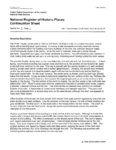
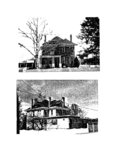
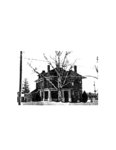
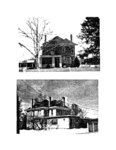
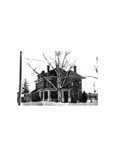
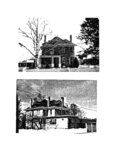
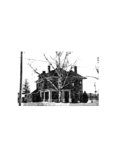
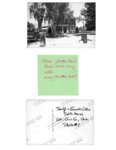
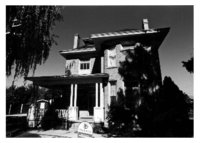
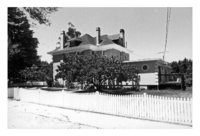
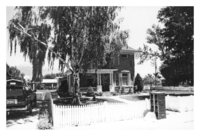
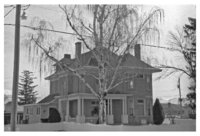
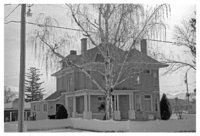
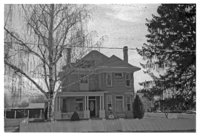
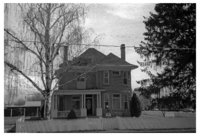
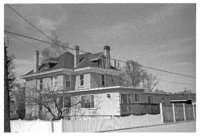
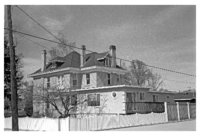
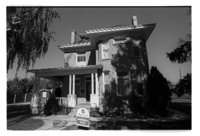
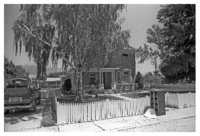
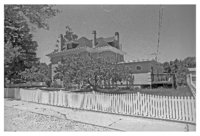
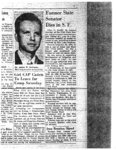
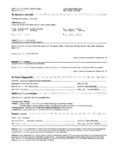
Show NPS Form 10-900-a U1ah WordPerfect 5.1 Format (Revised Feb. 1993) OMS No. l0024'()()18 United States Department of the Interior National Park Service National Register of Historic Places Continuation Sheet Section No. JL Page ~ Narrative St3'~ e i1l ent John T. and Emerette C. Smith House, Lehi, Utah County, UT of Significance The John Y. and Emerette C. Smith House, located at 518 N. 100 East in Lehi, Utah, is nominated through t'1 ? "l-li3toric c.nd Archit esources of Lehi, Utah" Multiple Property SubmittJr The ~ House is siqnificant under crit ion Brits association with John Y. Smith, a significant businessman, civic leader, and Utah State Sena or from Lehi who built the house as his residence in 1903 and lived there until 1911. It is also significant under criterion A as an example of the substantial houses built in Lehi at the beginning of the twentieth century as Lehi matured into a thriving agricultural, industrial and transportation center in Utah County. 1 Lehi's Transformation from a small town to a more permanent and diversified town was gradual through the decades following its settlement in 1850, but accelerated during the period 1871-1899. Local historian Richard Van Wagoner asserts that the 1870s brought "dramatic changes" to Lehi.1 Foremos( among these was the arrival of the railroad. In 1872 the Utah Southern Railroad reached Lehi, emplcyi nGtownspeople in its construction and maintenance. 2 A business district quickly sprang up nearby to service the railroad and its patrons. For nearly a year, Lehi was the terminus for the Utah Southern Line. Teamsters transported goods to and from points south as well as timber and ore from mines in American Fork Canyon {to the east} and the Tintic District {to the southwest}. In 1873, over 160 million pounds of goods were shipped in and out of Lehi. 3 Even after the Utah Southern was extended further south into central Utah after 1873, Lehi remained a transportation center. The 1890s INe(e an expansive decade in Lehi. The leading development of the decade, and perhaps the most important industry in Lehi's history, was the Utah Sugar Company Factory, the first of several such structures built by the company throughout Utah and Idaho. Started in 1890 at Mulliner's Pond, the factory employed many local people and continued to do so until its close in 1924.4 Due to the factory, to£jG her with the statewide boom of mining, transportation and agricultural industries, Lehi experienced great prosperity in the 1890s. The construction of many fine commercial, industrial, governmental, educational, religious and residential buildings during the Victorian Era attests to its healthy urban nature. ' \/ '1'1 Wagoner, 11 . 2Van Wagoner, 387. ;;Andre-w Fjeld, Lehi Sunday School History (Lehi : Lehi Free Press Publishing Co., 1956), 6-7. qtd. in Van Wagoner, 387. 4Van Wagoner, 238-247. X See continuation sheet |