| OCR Text |
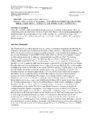
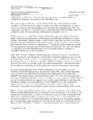
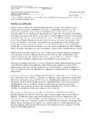
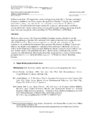
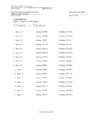
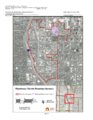
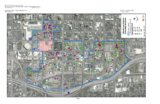
Show United States Department of the Interior National Park Service / National Register of Historic Places Registration Form NPS Form 10-900 OMB No. 1024-0018 Warehouse District (Boundary Increase & Additional Documentation) Salt Lake County, Utah Name of Property County and State period, when a strong post-war economy and advancements in freight transportation drove renewed commercial investment in the area. Among the greatest influences in the evolution of the built environment in the district are the railroads of the Denver & Rio Grande Western (D&RGW) and the Union Pacific (UPRR). Mainline tracks for each railroad extend north-south through the northern and western portions of the district and, historically, effectively established a boundary between the residential and retail areas of the neighborhood to the east and the industrial and distribution (warehousing) areas to the west. Within the district, the remnants of the D&RGW's system, which included a large rail yard inside the western perimeter of the district boundary increase, are the most intact. Historical buildings-most considered contributing to the district-remain from the maintenance facilities as do the multiple tracks and siding of the D&RGW yard. Occasional spur line tracks extend off the mainline railroads to historical warehouses and manufacturing complexes in the district, though most such extant tracks are no longer in use. The earliest of the development for which buildings are still present in the study area are from the period of 1869 to 1899. A total of 29 buildings (20 of which are contributing) remain from this period. These buildings represent both residential (single family dwellings) and commercial uses of the area; they are scattered roughly evenly across the northern and southern portions of the district. The period from 1900 to 1928 was characterized by a commercial/industrial building boom and the increasing settlement of ethnic minorities in the district. Of the documented buildings, 102 were constructed during this period. Of these, 78 are contributing. The contributing rail network and the contributing park also date to this period. By far, commercial and industrial buildings- especially warehouses-represent the majority of structures built during this period. Only a handful of single-family and multi-family dwellings from this period remain in the study area. Resources from this period can be found in most parts of the boundary increase but are located in greatest concentrations in the northeastern and southern parts of the district. Not surprisingly, few buildings from the Great Depression and World War II period (1929 to 1945) are present in the district. In total, only 31 buildings from this period were identified; 22 are considered contributing resources. Of these, most were constructed during the early 1940s, after war-time demand had stimulated the economy and ended the Great Depression. All of the buildings from this period are commercial properties reflecting warehouse, manufacturing, retail, and office uses. They are found throughout the district. As noted above, the second great building boom in the district occurred during the Post-War era (1946 to 1966). A total of 111 buildings from this period are located in the district; 79 are considered contributing resources. This represents the greatest number of structures from any historical period in the district, though it is only slightly more than the district's first construction boom of the early 1900s. All but two (2) of the documented buildings are commercial in nature with office, retail, and light manufacturing appearing to represent the dominant uses. Sections 9-end page 7 |