| OCR Text |
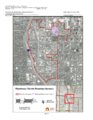
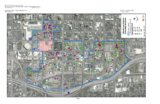
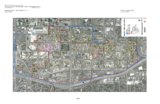
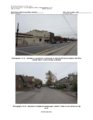
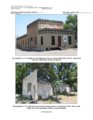
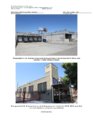
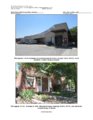
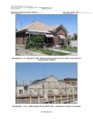
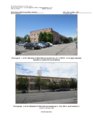
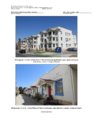
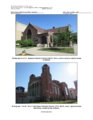
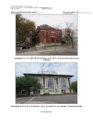
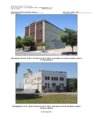
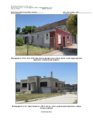
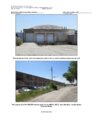
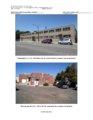
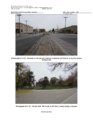
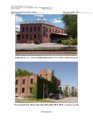
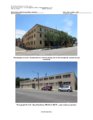
Show United States Department of the Interior National Park Service / National Register of Historic Places Registration Form NPS Form 10-900 OMB No. 1024-0018 Warehouse District (Boundary Increase & Additional Documentation) Salt Lake County, Utah Name of Property County and State Narrative Description The original Warehouse District (NRIS # 82004149) was listed on the National Register in 1982 and includes 16 buildings with a somewhat undefined period of significance from approximately 1890 to 1927. The original district boundary encompasses a roughly 1-block area straddling 200 South between 300 West and 400 West. Of the 16 buildings in the original district, 15 were determined to be contributing resources, and one was listed as a non-contributing resource. The additional information presented in this boundary increase nomination documents that the sole non-contributing resource of the original district has been demolished and changes the status of two of the contributing resources-357 West 200 South and 380 West 200 South-to noncontributing due to significant physical alteration subsequent to the original listing. The additional information provided here for the boundary increase also expands period of significance for the district from ca. 1890 to 1927 to 1869 to 1966 and updates the resource counts to include properties outside the original district but inside the expanded district boundary. Data regarding the current status of resources within the district expansion were compiled from a reconnaissance level field inventory conducted in late 20121 for the southern portion of the boundary increase study area and one conducted in 20152 specifically for the remaining areas within the study area as well as from the Salt Lake City Business District MRA. Each of the field surveys evaluated historical buildings for contributing and non-contributing status according to guidelines established by the Utah State Historic Preservation Office (SHPO) in its Reconnaissance Level Survey: Standard Operating Procedures (revised March 2012). The information gathered from the two field studies was used to establish the area and resources to be included in the district boundary increase presented herein. The most common reasons for resources being excluded from the district or identified as non-contributing resources were dates of construction outside the period of significance (1869-1966) or substantial physical alteration of the resource [Photographs 3, 4, 5, and 6], the most common forms of which included introduction of modern cladding, changes in fenestration, and notable out-of-period additions. Development Patterns The building stock of the Warehouse District Boundary Increase reflects both the slow, but inevitable, development of the area as Salt Lake City expanded to the west of the initial village encampment during the decades after settlement and two major construction booms that truly shaped the character of the district. The first construction boom came during the early 1900s, when the economic depression of the 1890s had passed, and burgeoning railroad and mining industries drew thousands of ethnic immigrants and large commercial investments to Salt Lake City. The second major construction boom occurred during the immediate post-World War II 1 Meess, Sara. 2013. A Reconnaissance-Level Survey of the Granary District, Salt Lake City, Utah. Manuscript submitted to the College of Architecture + Planning, University of Utah, Salt Lake City. 2 Ellis, Sheri Murray. 2015. Warehouse District Expansion Reconnaissance-Level Survey, Salt Lake City, Utah: Survey Report. Prepared for Salt Lake City Corporation. Sections 9-end page 6 |