| OCR Text |
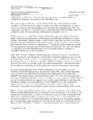
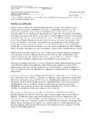
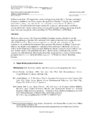
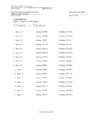
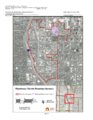
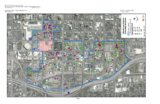
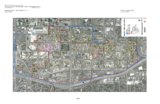
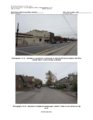
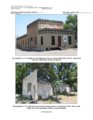
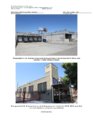
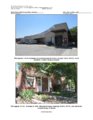
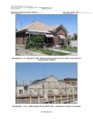
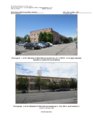
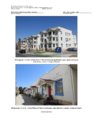
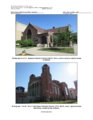
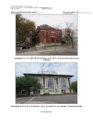
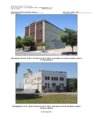
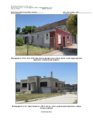
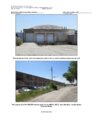
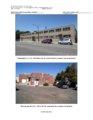
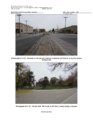
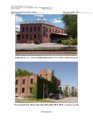
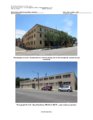
Show United States Department of the Interior National Park Service / National Register of Historic Places Registration Form NPS Form 10-900 OMB No. 1024-0018 Warehouse District (Boundary Increase & Additional Documentation) Salt Lake County, Utah Name of Property County and State Materials: (enter categories from instructions.) Principal exterior materials of the property: _CONCRETE (CONCRETE BLOCK, PANEL), BRICK, STONE, METAL, STUCCO, GLASS, WOOD, ADOBE, SYNTHETICS_ Narrative Description (Describe the historic and current physical appearance and condition of the property. Describe contributing and noncontributing resources if applicable. Begin with a summary paragraph that briefly describes the general characteristics of the property, such as its location, type, style, method of construction, setting, size, and significant features. Indicate whether the property has historic integrity.) ______________________________________________________________________________ Summary Paragraph The Warehouse District Boundary Increase is a mixed development neighborhood reflecting the commercial/industrial growth and ethnic diversity of Salt Lake City, Utah, between 1869 and 1966. The district expansion is an increase in the geographic scope and period of significance for the existing Warehouse District (NRIS # 82004149), which was listed on the National Register in 1982 and encompassed 16 buildings constructed between 1890 and 1927. The existing Warehouse District was listed under the Salt Lake Business District Multiple Resource Area (MRA) (NRIS # 64000872). This district boundary increase is also proposed to be listed under the MRA as well as under the additional documentation provided herein. The Warehouse District Boundary Increase is located along the western edge of downtown Salt Lake City and is roughly bounded on the north by 50 South, on the east by 300 West and West Temple Street, on the south by 1000 South, and on the west by the eastern right-of-way line of Interstate 15 (I-15). This boundary increase encompasses approximately 544 acres of developed lands and encompasses the entirety of the existing Warehouse District. The majority of resources in the boundary increase are commercial buildings [Photograph 1] associated with the warehousing and distribution services that developed following the arrival of freight railroads in Utah in 1869. Residential resources (e.g., single- and multi-family dwellings) [Photograph 2] are relatively rare in the district and are largely found as isolated buildings or small clusters of buildings scattered throughout the district; the exception is a somewhat larger concentration of dwellings in the southern portion of the district. The Warehouse District Boundary Increase, excluding the existing Warehouse District, encompasses 361 primary resources, of which 200 (55 percent) contribute to the significance of the district. Among the contributing resources are 26 that are already listed on the National Register as individual resources. The contributing resources reflect a broad range of architectural types and styles from Classical to Modern and include one archaeological site. The remaining 161 resources encompassed by the district expansion are considered non-contributing resources-historical resources that have been substantially altered and out-of-period resources. Included among the contributing resources are two sites comprising an historical railroad network and an historical park (Pioneer Park/Old Pioneer Fort site; NRIS # 74001938). _____________________________________________________________________________ Sections 9-end page 5 |