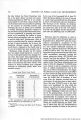
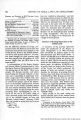
| OCR Text |
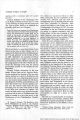
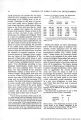
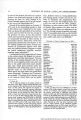
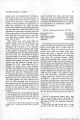
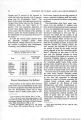
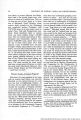
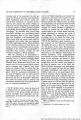
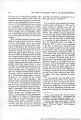
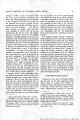
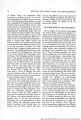
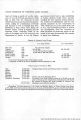
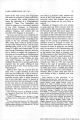
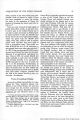
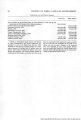
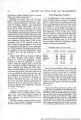
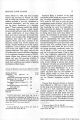
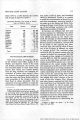
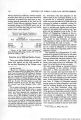
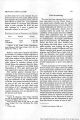
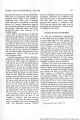
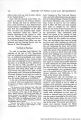
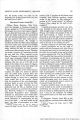
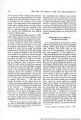
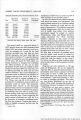
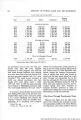
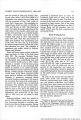
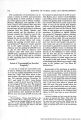
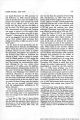
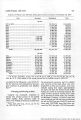
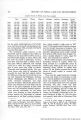
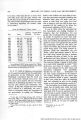
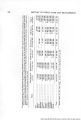
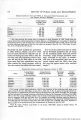
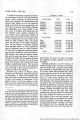
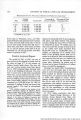
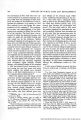
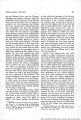
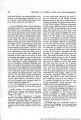
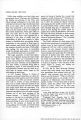
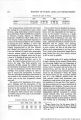
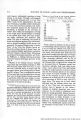
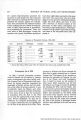
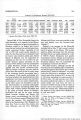
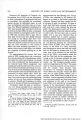
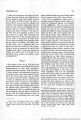
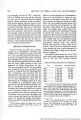
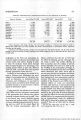
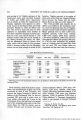
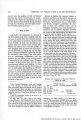
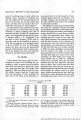
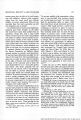
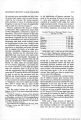
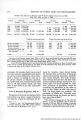
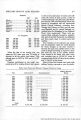
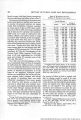
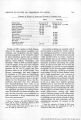
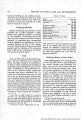
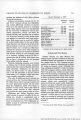
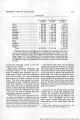
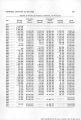
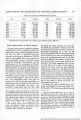
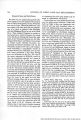
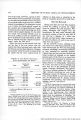
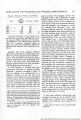
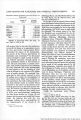
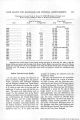
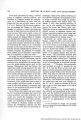
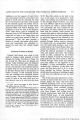
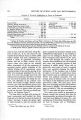
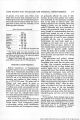
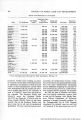
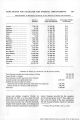
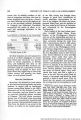
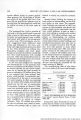
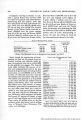
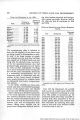
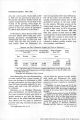
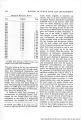
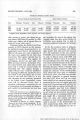
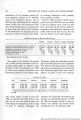
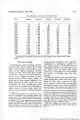
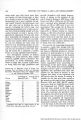
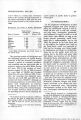
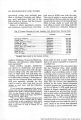
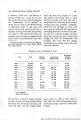
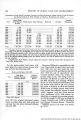
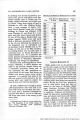
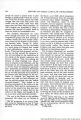
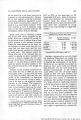
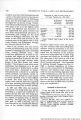
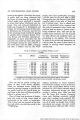
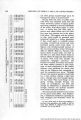
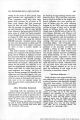
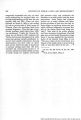
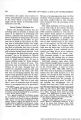
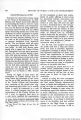
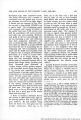
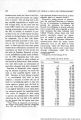
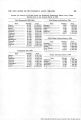
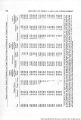
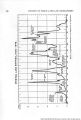
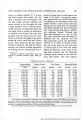
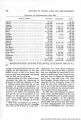
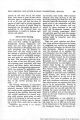
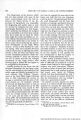
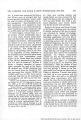
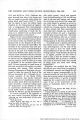
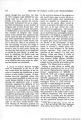
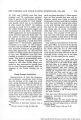
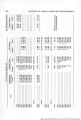
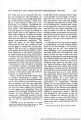
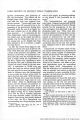
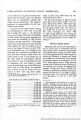
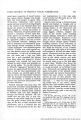
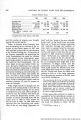
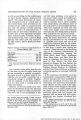
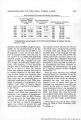
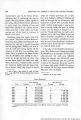
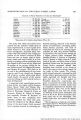
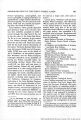
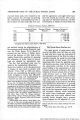
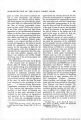
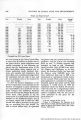
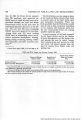
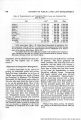
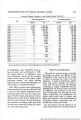
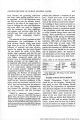
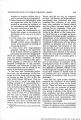
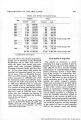
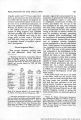
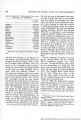
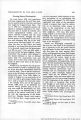
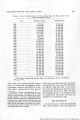
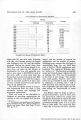
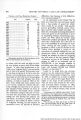
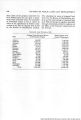
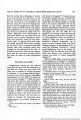
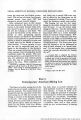
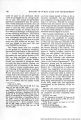
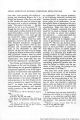
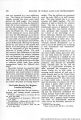
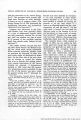
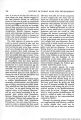
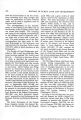
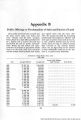
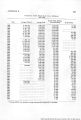
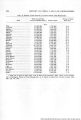
Show RECLAMATION OF THE ARID LANDS Land Openings on Reclamation Projects" Number Acreage Openings Farm Units 1946__________ ____ 157 1947- 2 51 1948 5 210 18,575 1949_____ 3 4 296/337/ 128 30,728/35,197/ 12,830 1950 1951. ____ 106 4,257 1952. 201 12,351 1953 263 18,292 1954 339 34,126 1955 4 243 23,514 1956 4 235 26,898 1957 5 290 33,482 1958 2 51 7,656 1959 1 31 3,223 1960 39 1961 26 1962 1 18 a Compiled from Bureau of Reclamation Reports. Idaho with 764 new farm units, Wyoming with 383, the Klamath project in Oregon and California with 216, and the balance scattered. During the period when these 2,842 farm units were being opened to settlers there was spent by the Bureau of Reclamation for new and expanded projects a sum equal to $917,000 for each of the units, while in these same years the Bureau had received from power sales $383 million. This shows how little the expectations of increased numbers of farm users of water actually entered into the calculations of the planners.166 The table of original entries of reclamation homesteads does not show a close correlation between new openings and homestead applications: Much was made in the discussions in Congress of providing opportunities for veterans to take up irrigated land for farm 166 "Reclamation-Accomplishments and Contributions," Committee Print, No. 1, House Committee on Interior and Insular Affairs, 86th Cong., 1st sess., 1959, pp. 21-23. homes, and the number of requests for applications and the number of persons, including many veterans who did apply is astonishingly large. For the 2,842 farm units a total of 134,620 applications were presented. The Legislative Reference Service authors of "Reclamation-Accomplishments and Contributions" rightly cite this as evidence that "The lure of homestead in the West is still strong." The number who could qualify, however, were many fewer, for up to $5,000 in cash in addition to experience in farming, and a will to work and work hard and not just to establish a negotiable right they might later sell, were among the requirements to assure success. The Bureau could not forget its early experience with settlers, many of whom were not actual farm makers but people who thought the homestead on which they filed would be so increased in value when the government brought water to it as to give them a quick profit. The result had been a high rate of turnover of farms, inflation |