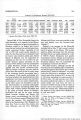
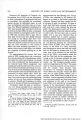
| OCR Text |
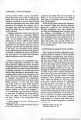
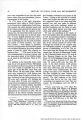
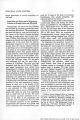
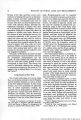
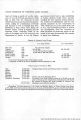
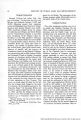
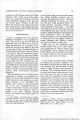
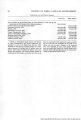
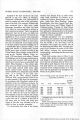
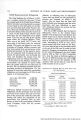
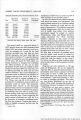
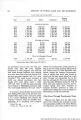
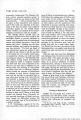
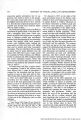
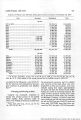
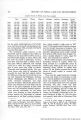
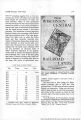
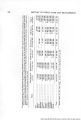
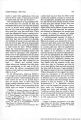
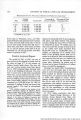
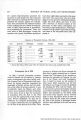
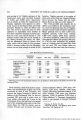
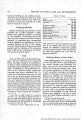
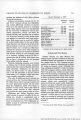
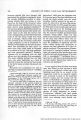
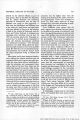
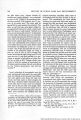
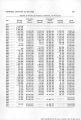
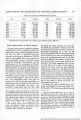
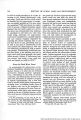
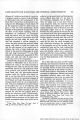
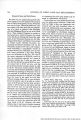
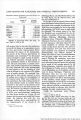
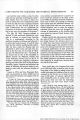
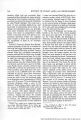
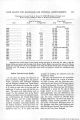
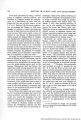
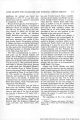
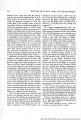
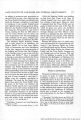
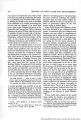
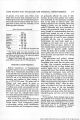
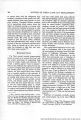
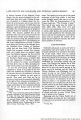
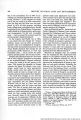
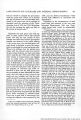
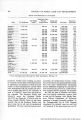
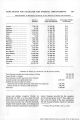
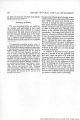
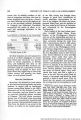
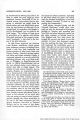
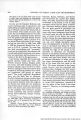
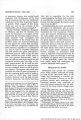
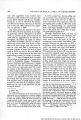
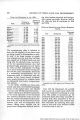
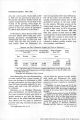
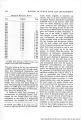
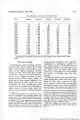
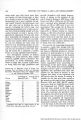
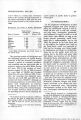
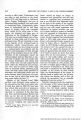
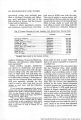
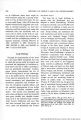
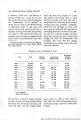
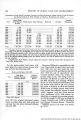
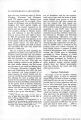
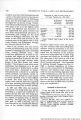
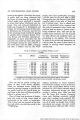
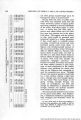
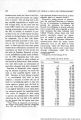
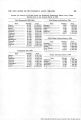
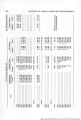
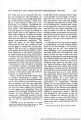
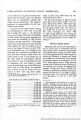
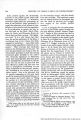
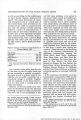
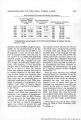
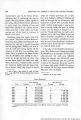
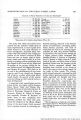
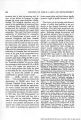
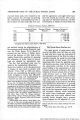
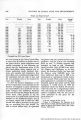
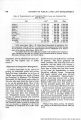
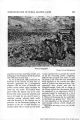
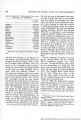
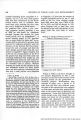
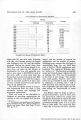
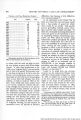
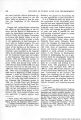
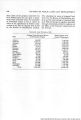
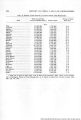
Show 398 HISTORY OF PUBLIC LAND LAW DEVELOPMENT Immigrants arriving in Kansas, to consider a typical Plains state, between 1868 and 1872 were greeted with advertisements announcing that the choicest lands had been selected by the State Agricultural College which was now offering 90,000 acres for sale on long term credits. The Central Branch of the Union Pacific Railroad offered 1,200,000 acres for prices ranging from $1 to $15 per acre; the Kansas Pacific Railroad offered 5 million acres for $1 to $6 per acre; the Kansas and Neosho Valley Railroad offered 1,500,000 acres at $2 to $8 per acre; the Capital Land Agency of Topeka offered 1 million acres for sale; Van Doren & Havens offered 200,000 acres for $3 to $10 per acre; Hendry & Noyes offered 50,000 acres; and even the United States Government was advertising for bids for 6,000 acres of Sac and Fox Indian lands. During years of active homesteading in Kansas the state was selling its lands for the substantial prices shown in the table. Sales of Kansas State Lands" School Lands___________ Agricultural College Lands. University Lands________ Normal School Lands_____ Years of Sales 1865-82 1868-82 1878-82 1876-82 Acres 450,764 48,465 6,224 4,966 Average Price Per Acre $4.00 4.78 2.88 4.72 * Gates, "The Homestead Law in an Incongruous Land System," pp. 660 ff. Bleak though the opportunity of homesteading on land not too remote from settlement, markets, and railroads might appear, the prospects were not as unfavorable as this analysis may suggest. The General Land Office estimated the amount of unsold and unappropriated land in the possession of the government, including Indian reservations, at 1,145,000,000 acres in 1867. If there are deducted from this total the 125 million acres reserved for railroads, the 140 million acres granted or to be granted to the states, and the 175 million acres in Indian reservations, there still remained 605 million acres. This amount, of course, included a great deal of mountainous, desert, and other waste land; but it also included a very large part of South Dakota (the only state west of the Mississippi, except Oklahoma, which contained no sizable land grant), 53 percent of Kansas, a large part of the Great Plains and of the Pacific Coast states, 45 million acres in the five southern public land states, and 56 million acres in Missouri, Iowa, Minnesota, Wisconsin, and Michigan. Unsold and Unappropriated Land* 1867 Missouri________________________ 1,835,892 Alabama________________________ 6,915,081b Mississippi______________________ 4,930,893b Louisiana____......._____________ 6,582,841b Michigan_______________________ 5,180,640 Arkansas________________________ 11,757,662b Florida_________________________ 17,540,374b Iowa___________________________ 3,113,464 Wisconsin_______________________ 10,106,700 California_______________________106,062,392 Minnesota_______________________36,776,170 Oregon_________________________52,742,078 Kansas_________________________43,148,876 Nevada_______________________1. 67,090,382 Nebraska_______________________42,523,627 Washington Territory_____________41,627,464 New Mexico Territory_____________ 73,005,192 Utah Territory___________________ 51,139,646 Dakota Territory_________________145,295,284 Colorado Territory________________ 62,870,665 Montana Territory________________ 86,904,605 Arizona Territory_________________68,855,954 Idaho Territory__________________ 54,963,343 Indian Territory__________________44,154,240 8 GLO Annual Report, 1867, p. 367. All or most of the land was surveyed in the first nine states and was therefore open to homestead entry. In the other states and territories there were still large areas un- |