| OCR Text |
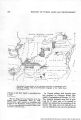
Show 690 HISTORY OF PUBLIC LAND LAW DEVELOPMENT force the excess-lands provision, but in the light of previous failure to do so one may wonder. If his successors relaxed this position for a time it could not correctly be claimed later that, as of 1933-36, there was any doubt as to the meaning and relevance of the excess-lands provision for the Central Valley of California or for other reclamation projects.163 The Central Valley project was unique in a number of ways. It was an integrated project that comprehended within its scope the entire Sacramento and San Joaquin Valleys and the control and utilization of all the waters. As such it was similar to the project for the development of the Tennessee Valley, though for California there was no regional authority, nor such a broad grant of authority to the Bureau of Reclamation as was given to the TVA. Future plans for construction, beyond those early spelled out, were indefinite and there was to be much bureaucratic fighting about them between Federal agencies. A second unique feature was that within the Central Valley there was no public land for which water could be provided and on which homestead entries could be made. Furthermore, hundreds of thousands of acres were held in large blocks by individuals and by oil, land, irrigation, and cattle companies. As time was to show, they would resist to the last the application of the excess-lands provision. There were also many water rights possessed by companies, irrigation districts, and individuals. It proved to be very complicated to work out the terms on which they might be provided with additional water when needed. And finally there is a vast water resource in the subsoil of the San Joaquin Valley from which irrigators had long been pumping. This had drawn down the water table dangerously but where the surplus water of the 163 Robert de Roos, The Thirsty Land. The Story of the Central Valley Project (Stanford University Press, 1948), passim. Sacramento was made available to irrigators in the southern valley in large volume it began to restore this depleted source and make it possible to pump from it again on an extensive scale. Whether or not persons pumping from this restored level of water, being recreated in a greater or less degree by the Federal reclamation program, should be forced to abide by the excess-lands provision was to be a major issue in the future. The third big new project made possible in the beginning by Public Works and other congressional appropriations was the spectacular Colorado-Big Thompson undertaking. This called for the construction of a 13-mile tunnel nearly 10 feet in diameter through the spine of the Rockies to bring sufficient Colorado River water to an area already well developed and irrigated from the South Platte. It was essentially a relief proposal for it would not enlarge the irrigated area but would enable farmers to plan their operations with the knowledge that water would be available when needed and in sufficient quantities. The irrigated acreage to be benefited would be only exceeded by that of the iMinidoka project in Idaho, the Central Valley project of California, and the Grand Coulee project in Washington. From the first decade of the 20th century government spending on construction of reclamation projects had given a big impetus to economic activity in the semi-arid states, which was largely accelerated by the use of relief and Public Works funds in 1933 and subsequent years. New projects were being undertaken and new investigations were under way to determine the feasibility of additional ones. The West was not willing to wait for funds from the diminishing payments into the revolving fund and in 1936 persuaded Congress to appropriate money from general sources, thereby giving to the humid states an argument some of their representatives used, though not with much effect, that |