| OCR Text |
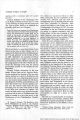
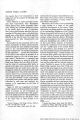
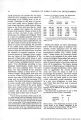
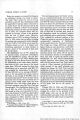
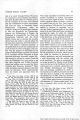
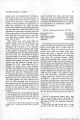
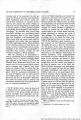
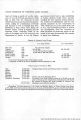
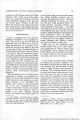
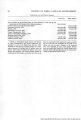
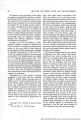
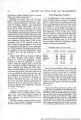
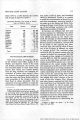
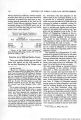
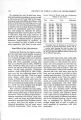
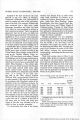
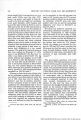
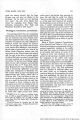
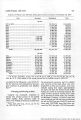
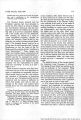
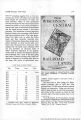
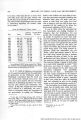
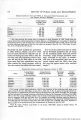
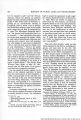
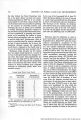
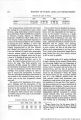
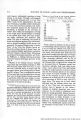
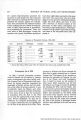
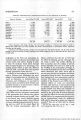
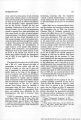
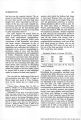
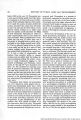
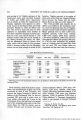
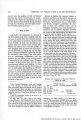
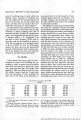
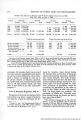
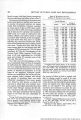
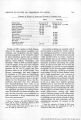
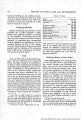
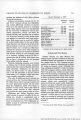
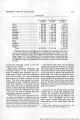
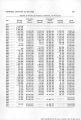
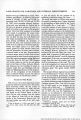
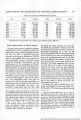
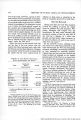
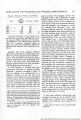
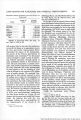
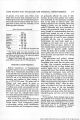
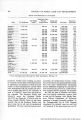
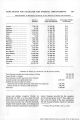
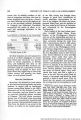
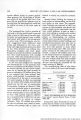
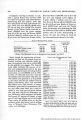
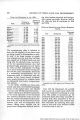
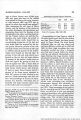
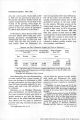
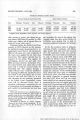
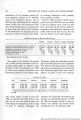
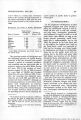
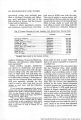
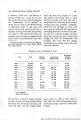
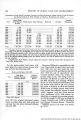
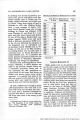
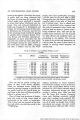
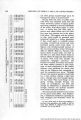
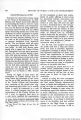
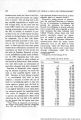
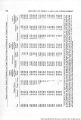
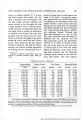
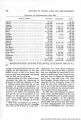
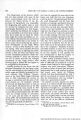
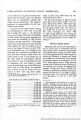
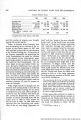
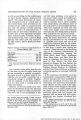
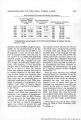
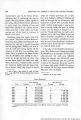
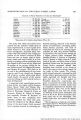
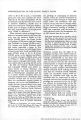
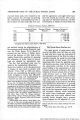
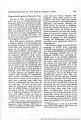
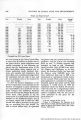
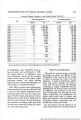
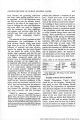
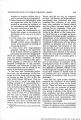
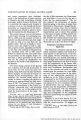
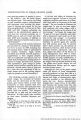
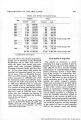
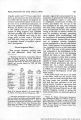
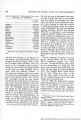
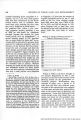
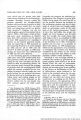
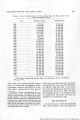
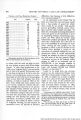
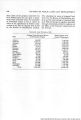
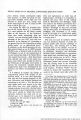
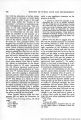
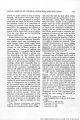
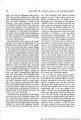
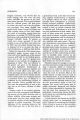
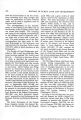
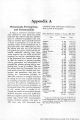
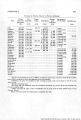
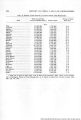
Show PREEMPTION Acreages "Discriminated"as Preemption Entries on the Abstracts of Entries8 231 State or Territory Act of May 20, 1830 Acts of 1832, 1833 Acts of 1834 Total Ohio ..... 1,966 2,917 9,688 14,425 3,079 61,004 335,358 7,962 82,348 383,876 Indiana 11,656 Illinois- ___ 34,093 Missouri___ 3,977 4,859 53,717 62,553 Mississippi 31,782 3,220 3,823 273,045 331,119 308,047 656,820 Alabama. L ___ 321,878 Louisiana__ 34,446 206,452 378,678 619,576 Arkansas 12,443 20,224 154,062 186,729 Michigan 11,161 167 620 1,811 11,948 10,537 Florida___. 8,726 Wisconsin 41,400 41,400 472,128 265,775 1,633,893 2,371,802 8 House Documents, 25th Cong., 2d Sess., No. 303 (April 5, 1838), p. 7. Entries that might be made on offered land under these acts were probably not always "discriminated" as preemption entries, appearing therefore as cash entries. A greater, but undeterminable, acreage was preempted than this table indicates, but the total of land passing to private ownership through preemption was small compared with the total acres of land being sold in these years. emigration to the West was expanding, investment capital was flowing increasingly into western lands, and settlers, finding it easier to raise the necessary funds either through sales of surplus staples or by borrowing, were making greater efforts to gain title. Between 1834 and 1838, 1,633,898 acres were acquired through preemption under this act. It should be remembered that much of the land in Alabama and Mississippi was never subject to preemption since it was either conveyed as allotments to individual Creeks, Choctaws, and Chickasaws, or was held in trust for them and sold for their benefit only at public auction or at private entry, without regard to preemption rights. Understandably, the officials of the General Land Office were not altogether sympathetic to the preemption laws because they placed a greatly increased burden on the staff. Also, it was feared they would diminish income from sales and perhaps make it more difficult to secure additional appropriations for surveying and new staff. In his Annual Report for 1836 the Acting Commissioner, John M. Moore, observed that the Act of 1834 had the effect of delaying patents. Although the act made it clear that public offering of land at auction and the making of private entries thereafter were not to be held up by the working of the preemption privilege, it did create much difficulty for the Land Office which discovered that many tracts sold at private entry already had properly established preemption claims on them. No patents could issue during the 2 years preemption could be claimed. This delay was necessitated by the inability of the General Land Office and its regional offices to work out procedures whereby each entry on a tract of land could be speedily determined and duplication of entries avoided. The delay and confusion resulting from accepting duplicate entries was caused by the great rush of business descending upon the offices in the boom period of the middle thirties, by congressional penny-pinching in appropriating funds for additional staff, and by slowness in setting up adequate records.36 The Act of 1832 with its 40-acre ™S. Ex. Doc, 24th Cong., 2d sess., Dec. 1, 1836, Vol. I (Serial No. 297), No. 3, p. 5. |