| OCR Text |
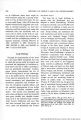
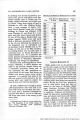
Show GENERAL GRANTS TO STATES 337 of the highest, the land endowment was allowed to be dissipated. With some exceptions it can be said that the early experience of the states in land administration reflects little vision or long range planning, a tendency to rush into leasing or selling without proper consideration of the effects of policies being adopted, and careless management of the funds received from sales and leases. Too frequently, legislatures and public officers appeared to shape policies that would enable them to profit personally. Few states had any reason to be proud of the record of their land management in the early period-particularly before 1862. While their representatives were complaining that the Federal Land Office was permitting land to become monopolized in many areas by men of capital, the state land offices were letting the lands that came to them slip through their hands and pass to speculators in ways that were rarely tolerated in Washington. Later states, indeed some of the earlier ones in their later periods, succeeded in steering their way more satisfactorily between the two positions of quick sales at minimum prices and later sales or leases after appraisal. The early story of state management of public lands is not a pretty one. In Ohio, administration of the school lands was left in the hands of township and county authorities who hastily put them on the market, arranged 99-year leases, even perpetual leases, and sold land for as little as 5 cents an acre. Numerous special acts were adopted allowing interested parties exceptional leases and sales at prices well below the market. Gross laxness in making and recording collections resulted in heavy losses that, combined with the loss of and embezzlement of funds, all add up to something less than a success story. The major reason for the poor record-other than the petty peculation, the carelessness in business details, the frequent changes of direction by the legislature-was that the people through their local representatives wanted the lands sold, placed on the tax rolls and developed. The revenue from them for education counted less with them and their elected officials. Indiana profited from the errors and mis-judgments of Ohio, generally avoided the long leases at low rents, and seems to have safeguarded its funds somewhat better by investing them with the state, but it forced its land into market at early dates and the returns were small. Illinois seems to have provided somewhat better management for its lands. The average price received was S3.78, which was no small achievement at a time when people were continually demanding the right to buy at no more than the government price of $1.25, and wanted no land withheld for better prices in the future.47 Michigan, by entering the Union in the midst of the boom period of land sales, was able to take advantage of the great demand for land and began a policy that would have produced a large income for public schools had the boom lasted. In 1837 it established a minimum price of $8 for its school lands, at which price it succeeded in selling 34,000 acres at close to $12 an acre on long credit with a small down payment. When the panic of 1837 occurred both sales and payments ceased and a popular demand arose for lower prices in the future and price adjustments on those already negotiated. In later years the price was sharply reduced and the optimistic hopes of 1836 were not realized. Yet in the long run Michigan did quite well for its school fund, averaging $4.58 an acre from the sale of three-fourths of its holdings by 1885 and retaining the balance for $4 an acre. Wisconsin profited little from the example of the states which had previously sold their school lands. It pushed them into market early, permitted speculators of influence to buy up the choicer portions at low prices, and lent the school fund on inadequate col- 47 George W. Knight, "History and Management of Land Grants for Education in the Northwest Territory," Papers of the American Historical Association, Vol. 1, No. 3, pp. 86-103, and 170. |