| Title |
Royce Flandro, Salt Lake City, Utah: an interview by Winston P. Erickson, March 21, 2000: Saving the legacy tape no. 2 & 3 |
| Alternative Title |
Royce Flandro, Saving the legacy: an oral history of Utah's World War II veterans, ACCN 2070, American West Center, University of Utah |
| Creator |
Flandro, Royce P. (Royce Pendleton), 1922- |
| Contributor |
Erickson, Winston P., 1943-; University of Utah. American West Center |
| Publisher |
Digitized by J. Willard Marriott Library, University of Utah |
| Date |
2000-03-21 |
| Date Digital |
2015-09-16 |
| Access Rights |
I acknowledge and agree that all information I obtain as a result of accessing any oral history provided by the University of Utah's Marriott Library shall be used only for historical or scholarly or academic research purposes, and not for commercial purposes. I understand that any other use of the materials is not authorized by the University of Utah and may exceed the scope of permission granted to the University of Utah by the interviewer or interviewee. I may request permission for other uses, in writing to Special Collections at the Marriott Library, which the University of Utah may choose grant, in its sole discretion. I agree to defend, indemnify and hold the University of Utah and its Marriott Library harmless for and against any actions or claims that relate to my improper use of materials provided by the University of Utah. |
| Spatial Coverage |
Algeria; Italy; Salt Lake City, Salt Lake County, Utah, United States |
| Subject |
Flandro, Royce P. (Royce Pendleton), 1922- --Interviews; World War, 1939-1945--Personal narratives, American; World War, 1939-1945--Artillery operations, American; World War, 1939-1945--Campaigns--Africa, North--Personal narratives, American; Veterans--Utah--Biography |
| Keywords |
ROTC |
| Description |
Transcript (44 pages) of an interview by Winston P. Erickson with Royce Flandro on March 21, 2000. These are tape numbers 2 and 3 in the "Saving the Legacy Oral History Project |
| Collection Number and Name |
Accn2070, Saving the Legacy oral history project, 2001-2010 |
| Abstract |
Flandro (b. 1922) was in the ROTC at the University of Utah. He was called to active duty in 1943. He discusses his training in an artillery unit, and serving in North Africa and Italy. 44 pages. |
| Type |
Text |
| Genre |
oral histories (literary works) |
| Format |
application/pdf |
| Extent |
44 pages |
| Language |
eng |
| Rights |
 |
| Scanning Technician |
Mazi Rakhsha |
| Conversion Specifications |
Original scanned with Kirtas 2400 and saved as 400 ppi uncompressed TIFF. PDF generated by Adobe Acrobat Pro X for CONTENTdm display |
| ARK |
ark:/87278/s6j69g4j |
| Topic |
Personal narratives--American; Veterans; World War (1939-1945); Military operations, Artillery--American |
| Setname |
uum_slohp |
| ID |
1025122 |
| Reference URL |
https://collections.lib.utah.edu/ark:/87278/s6j69g4j |
| Title |
Page 13 |
| Format |
application/pdf |
| Setname |
uum_slohp |
| ID |
1025088 |
| OCR Text |
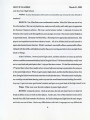
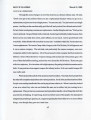
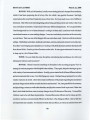
Show ROYCEFLANDRO March 21,2000 Anyway, all through this time I was in pre-med and built a good background. I felt that I had built a good academic background because I knew I would need it to get into medical school. WINN: Your father later joined the military, again? And you were active in ROTC, your whole family, basically. ROYCE: Yes, we all did. WetookROTCinhighschool. Iwassergeantthefirstyear and lieutenant the second year. With regard to ROTC, I felt fortunate in that in the very first year we used thesametypeofdrill that we used in World War I. Such commands as "On right into line" and "Right front into line" --those commands that were to be changed. The second year we moved into the new close order drill, and there were a lot of basic tactics that we learned in the infantry that were the same for both wars. Certain things are basic. But there were a lot of changes that were beginning to occur in the military at that time. So we got to learn the new drill. And I learned how to give commands and take commands, and a lot of military operations, particularly the infantry type, while in high school. You asked about my father. After World War I, he went on to serve in the reserves and took training. I remember his sitting in the dining room studying this at night. He took courses and had to go to camp, and he advanced in rank. By the time the war came he was a captain. Then they made him a major when he was called to active duty. Then he became a lieutenant colonel, then later a full colonel, and he was involved in the war. So he was doing military things. From time to time he would have to either ride a horse or be marching in the parades, the Armistice Day parades, so we would see him. So military and the scouting activities we had all kind of went together. Paul will probably tell you about being in the CMTC program. But we would see Dad at the camp up at Ft. Douglas where he would be out in a camp where they had certain kinds of drills and activities and bivouac kinds of things. Then, later on, he was involved in setting up the reception center at Ft. Douglas, and he actually commanded that for awhile. 11 |
| Reference URL |
https://collections.lib.utah.edu/ark:/87278/s6j69g4j/1025088 |