| OCR Text |
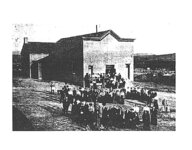
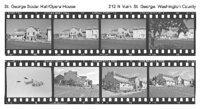
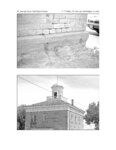
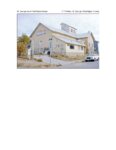
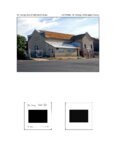
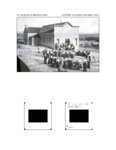
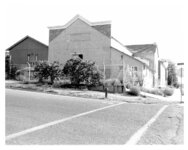
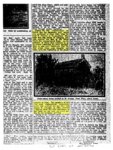
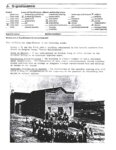
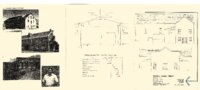
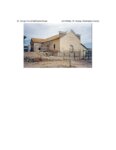
Show This text message is used to keep the image from rotating in ocr process. Be sure to crop the top .25" off after the ocr process. 214 Aside from making of coffins the early business of Pickett &Snow seems principally to have been the selling of lumber, shingles, paint, nails, and certain hardware related to building. They repaired furniture such as chairs, tables, and benches. They made screen doors, window screens, window frames, ironing boards, window shade rollers, headgates for the city ditches, and gates for entrances to residential property. They fashioned gates for barns and farmyards, sharpened saws and butcher knives; they built the frames upon which scenery was painted for the plays presented at the St. George Social Hall and on one occasion made a tomahawk for the dramatic association. They constructed a hundred and one items at the shop to satisfy people's needs. They spent a good many days' labor at the old Wine Cellar underneath the commodious stage of the Social Hall. The partners did much work getting the Social Hall ready for use, exchanging their own labor for other labor am commodities of divers kinds. People brought in their children's little "express" wagons for repair. They laid carpets for those who were affluent enough to import what were known as "states carpets" or "ingrain carpets," woven of two colors, such as red and gold or brown and tan; they were reversible and long-wearing. Common people had only the locally woven rag carpets, :nade of rag strips--these were about an inch wide--from discarded clothing which had been washed and dyed with bright colors--red, purple, green, blue, black, yellow, and brown--and tightly woven with colorful carpet warp into yard widths. Two designs were commonly used, "hit and miss" and ''Navaho stripes." The carpet yardage was hand sewn to room size, then placed over a floor covered with a goodly layer of clean wheat straw. Pickett & Snow made steps for the St. George Co-op granary; they made bookcases (that splendid scholar, James G. Bleak, had one made in September 1886 at a cost of twelve dollars). ' ,' Horatio Pickett, Partr Pi ckett & Sn( This was the original builcL, |