| OCR Text |
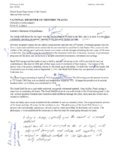
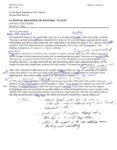
Show OMB No. 1024·0018, NPS Form United States Department of the Interior National Park Service National Register of Historic Places Continuation Sheet Section No. § Page ~ Sarah Daft Home for the Aged, Salt Lake City, Salt Lake County, UT the U.S. in the early and mid 1900s, and government sponsored old-age assistance programs gained momentum. Between 1914 and 1929, old-age assistance programs were authorized in 13 states, including Utah. 11 Social reformers held the view that the modern industrial state forced workers to rely solely on wage income and the stability of their employment. Unemployed workers could barely afford basic needs, if at all, as they were often living month-to-month, and paycheck-to-paycheck. Unemployed older-aged workers often suffered most because their health was not as good as their younger, more competitive counterparts, and they were less likely to find work even when it was available. Private benevolent homes and nursing homes were a step up from their outdated 19th century predecessor, the county almshouse, sponsored by religious and fraternal organizations. But almshouses then, unlike nursing homes today, admitted anyone no matter the health, age, or sex. With the growth of benevolent homes-and public hospitals-in the early part of the century, nursing homes, as we know them today, were quick to follow. Before the Great Depression, "private financial institutions, in combination with public and private assistance for the poor, were unable to accommodate the retirement income needs of the elderly.,,12 With increased attention on aging issues, and public pressure on companies and government entities to support its workers and citizens, this major societal shift from familial responsibility for the aged to a public responsibility, gained staunch support after World War I, the Great Depression, and finally World War II. 11W eaver, 12 p. 521 . Weaver, p. 504. |