| OCR Text |
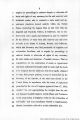
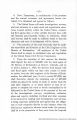
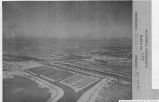
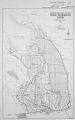
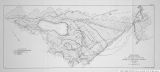
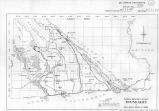
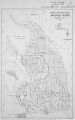
Show 16 BOULDER CANYON PROJECT safeguards are incorporated for their benefit. It is thought that their protection is complete. The passage of the bill, it is thought, will very early make the compact effective and settle an interstate controversy of long standing. Any further delay will almost inevitably lead to an abandonment of the interstate compact as a method of settling rights to the waters of the river, and compel resort to other methods and processes which, under the circumstances, would be highly unfortunate. While the project here authorized is vital to many sections in the lower basin, the bill is no less important to upper-basin States. By giving congressional approval to the compact, these States are assured in perpetuity water rights, the value of which can not be overestimated. It is a mistake to think of this bill as one merely for the benefit of California or Nevada or Arizona. By "enthroning the Colorado River compact" it assures to the States of Colorado, New Mexico, Utah, and Wyoming the water rights so essential to their future. The views of Mr. Garfield in his report on the development are as follows: Many legal questions have been raised dealing with powers of the several States through which the Colorado River runs: The question of whether the Colorado is subject to ownership by the State; whether the doctrine of beneficial use of riparian rights should govern and whether Congress has the power to allocate water between the various States. Many of the discussions on those points fail tojtake into consideration the practical questions which I have attempted to outline. The purpose of the seven-State compact was to settle by agreement the conflicting opinions expressed on many of the legal points to which reference is made. It is unfortunate that the compact has not been ratified; on the other hand, if it be ratified, there will still be questions concerning which individuals will disagree and the determination of which can only be effected through the Federal courts. The decisions of the Supreme Court of the United States on many questions involved are numerous and with all of which you are thoroughly familiar. I think for the purposes of this report, there is no need to refer to any of those decisions. Their general effect conclusively establishes the right of Congress to do that which is suggested in the construction and development of the Boulder Dam. The seven State compact was evolved for the purpose of compromising the differences of opinion which have arisen between the people of the various States regarding the development of the Colorado. It is unfortunate that the compact has not been ratified by all the States, but failure of'ratification does not prevent the Federal Government from going forward with~the construction if Congress so decides. It is also true that no single State could, either directly or indirectly through a corporation created within its jurisdiction, proceed with the development. Part II. Flood Control and River Regulation THERE IS URGENT NEED FOR FLOOD CONTROL IN THE LOWER COLORADO One of the important purposes of this bill is to control the floods of the lower Colorado. Danger from flood is serious and is acute. More than 100,000 American citizens are annually subjected to the menace of the river. In the lower valleys of California and Arizona there are thriving cities and great irrigated areas with property value of $200,000,000 or more, protected from the river only by means of artificial levees. |
| Source |
Original book: [State of Arizona, complainant v. State of California, Palo Verde Irrigation District, Coachella Valley County Water District, Metropolitan Water District of Southern California, City of Los Angeles, California, City of San Diego, California, and County of San Diego, California, defendants, United States of America, State of Nevada, State of New Mexico, State of Utah, interveners] : California exhibits. |